Rocket profitable for the first time in three quarters
The turnaround was due to a $42 million positive servicing mark. Even with the operating loss, it beat estimates.
© 2026 Arizent. All rights reserved.

The turnaround was due to a $42 million positive servicing mark. Even with the operating loss, it beat estimates.
The San Francisco company's student loan business suffered from the moratorium on federal borrowers' loans. But executives see a rebound ahead despite high interest rates dampening appetite for refinancing.
All of the company's fair value gains in its portfolio during the quarter were wiped out by a larger loss from hedging activities.
The regional bank told analysts that it has studied how much debt it would need to raise based on an effective post-reform capital floor of 6% of risk-weighted assets, and has determined that that increase in capital would be manageable.
The company says young consumers, steady credit quality and a robust travel recovery will offset a weaker economy for small businesses.
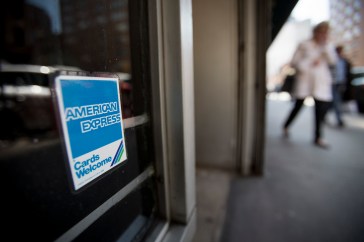
Discover Financial Services' stock tumbled after revealing a new FDIC consent order regarding consumer compliance. Separately, the financial institution also copped to misclassifying certain credit card accounts into its highest merchant-pricing tier beginning in 2007.
The companies are both tapping the U.S. investment-grade primary market, kicking off a potential deluge of fresh bank bonds in the wake of second-quarter earnings.
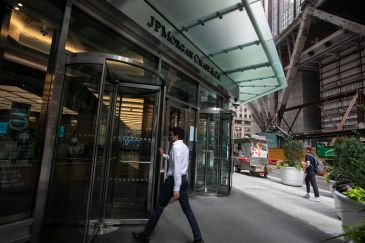
After a selloff toward the end of 2022 when it sought to reduce liquidity risk, the company resumed purchases of whole loans last quarter.

Although the company reported a loss, executives expressed confidence in its funding and liquidity.

At the embattled Republic First Bancorp, elevated legal, professional and audit fees also contributed to a nearly $10 million in first-quarter loss but CEO Thomas Geisel reports signs of progress moving past "legacy headwinds."
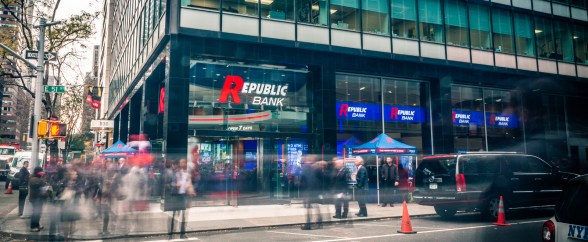
The neobank expects to turn a profit by the end of the year, but faces challenges as it copes with the government's pause on federal student loan repayment and with the difficulty of selling technology services to other businesses.
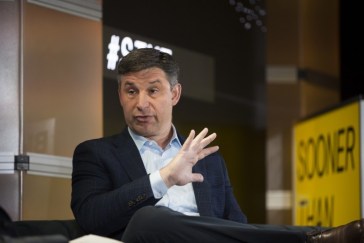
The California bank, which endured large deposit outflows in March, anticipates selling its $2.7 billion lender finance portfolio in the coming months. It's also looking at cutting facilities, employee headcount and vendor costs.
Executives at the Minneapolis bank responded to a research report that highlighted the decline in a key capital ratio after an acquisition last year. They don't plan to raise capital but aim to generate more of it from earnings in coming quarters.
The Tennessee bank confirmed in its earnings report that the deal, already delayed by several months amid heightened regulatory scrutiny, likely would not close by a May 27 deadline. No new target date has been set.
Headcount at the nation's second-largest bank has fallen by around 1,000 since the end of last month. More job reductions are in the works after noninterest expenses rose by 6% during the first quarter.
As the Wall Street giant continues to scale back its consumer banking ambitions, the point-of-sale loan provider that it purchased in 2022 could be the latest target. And CEO David Solomon said there might be more moves ahead.

Fixed-income trading revenue declined 17%, the firm said in a statement Tuesday, leaving Goldman the only major Wall Street bank so far to have posted a drop for that business.

The largest U.S. bank by assets raised its forecast for net interest income in 2023 to $81 billion from $74 billion, a positive sign for investors wondering how an economic downturn might weigh on profits.
Chase, Wells Fargo both reported increased gain on sale margins in the first quarter over the fourth, a potentially promising indicator for upcoming IMB earnings.

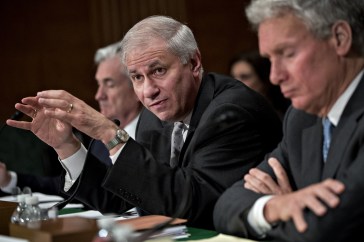
Banks reported record growth in net interest margins in 2022, but net income still fell, and the industry "continues to face significant downside risks" from inflation and other factors, Martin Gruenberg says.
Couldn’t load more articles. Try again.