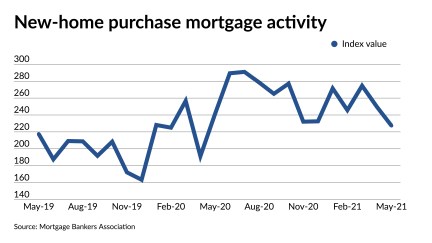
While volume dropped, new-home loans hit a price record in May
Demand was strongest at the high end of the market, which pushed loan amounts up for the fourth straight month.
© 2026 Arizent. All rights reserved.

Demand was strongest at the high end of the market, which pushed loan amounts up for the fourth straight month.
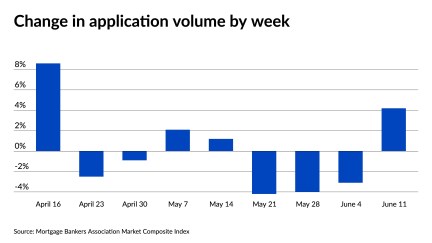
A spike in government-sponsored applications helped lead indexes to their largest gains in several weeks.
Average loan size also continues to increase, as demand remains high and costs in homebuilding materials rise this year.
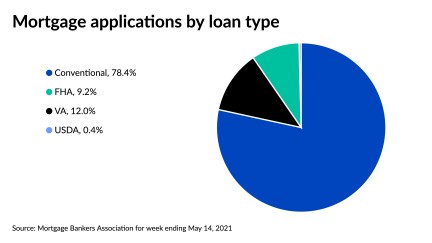
But the percentage of weekly applications in that category was closer to 60%, the Mortgage Bankers Association found.
Mortgage rates that are rising in tandem with a recovering economy dampened borrower activity, even with prime homebuying season underway.
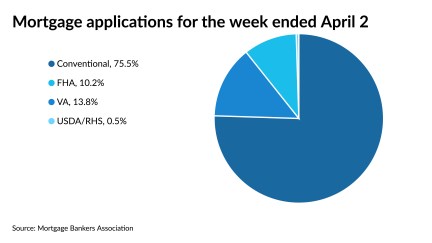
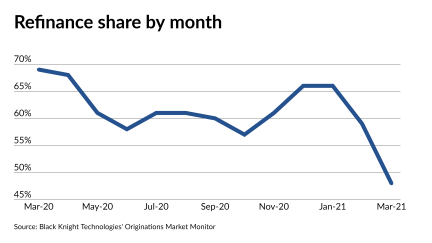
While the economic recovery and stimulus checks drove upward movement in purchases, it wasn’t enough to offset tumbling refinance activity.
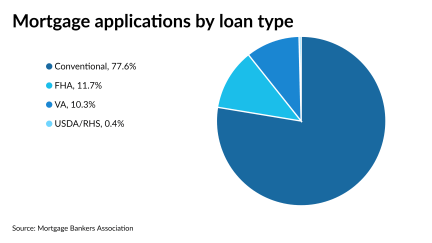
While financing costs are still low enough to offset sticker-shock from rising home prices, a slight increase in the average 30-year conforming rate weighed on borrowers, according to the Mortgage Bankers Association.
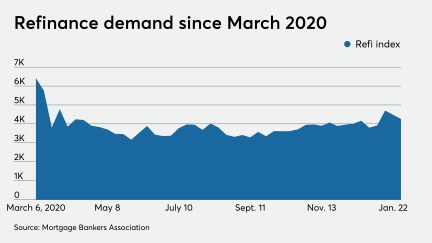
Mortgage applications decreased 1.9% from one week earlier as rising rates started to affect refinance activity, according to the Mortgage Bankers Association.
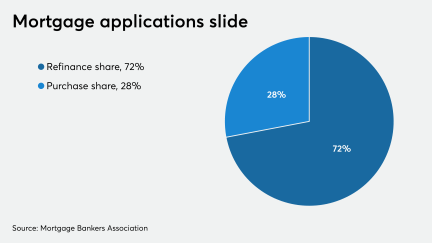
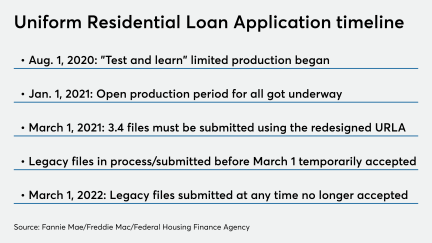
When the Uniform Residential Loan Application transition deadline hits on March 1, a data set within Fannie Mae’s Desktop Underwriter Program, which many lenders have used for a host of functions, will no longer be supported and unprepared lenders could later experience disruption.
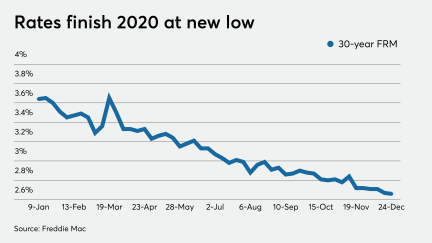
Mortgage rates yet again have dropped to a record low, even as the yield on the benchmark 10-year Treasury flirts with breaking back above the 1% mark, according to Freddie Mac.
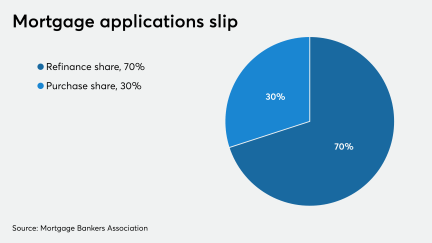
Mortgage applications slipped 0.3% from one week earlier, as refinance volume, particularly for Federal Housing Administration and Veterans Affairs loans, shrank significantly, according to the Mortgage Bankers Association.
Mortgage applications increased 3.8% from one week earlier as a drop in most loan interest rates brought on an increase in refinance activity, according to the Mortgage Bankers Association.
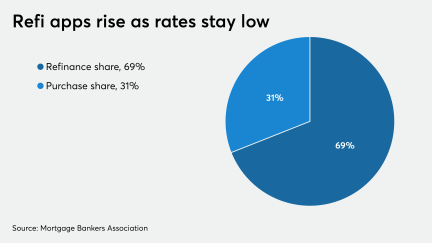
Mortgage applications decreased 0.6% from one week earlier, although a slight drop in purchase volume belied the fact that consumers are taking advantage of the current rate environment, according to the Mortgage Bankers Association.
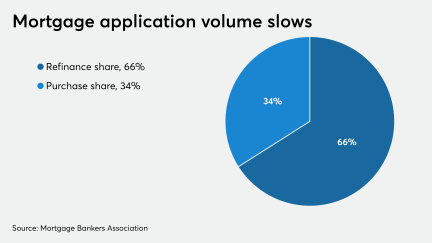
Mortgage applications decreased 0.7% from one week earlier, but lending activity should continue strong for the remainder of the year as rates stay low, according to the Mortgage Bankers Association.
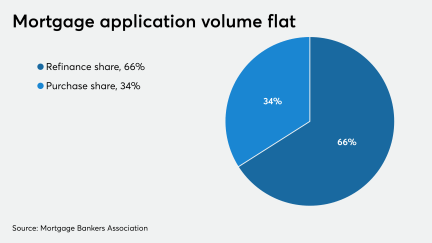
Mortgage applications decreased 4.8% from one week earlier, as refinance activity was down even as average rates fell to a new record low, according to the Mortgage Bankers Association.
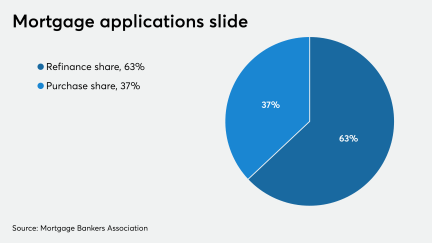
Mortgage applications increased 6.8% from one week earlier as this summer's surprise purchase demand has carried over to the fall, according to the Mortgage Bankers Association.
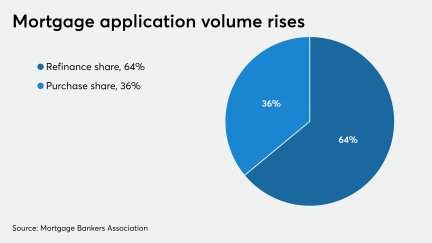
Home starts fell more than forecast in August, reflecting less construction of apartments and a decline in the tropical storm-hit South, representing a pause in momentum for a housing market that's been a key source of fuel for the economy.

Mortgage applications decreased 2.5% from one week earlier as refinance activity appears to decelerating, according to the Mortgage Bankers Association.
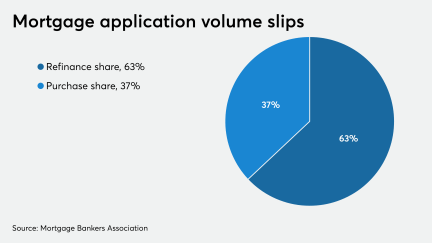
Mortgage application volume decreased 6.5%, falling for the second consecutive week with refinance activity at its lowest since early July, according to the Mortgage Bankers Association.
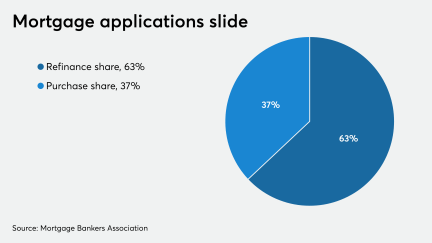
Rates are forecasted to remain at the current low levels for the rest of 2020, driving steady refinance volume.
Couldn’t load more articles. Try again.