
North American Savings Bank exits consumer direct home lending
The move, which comes with an unspecified number of layoffs, is expected to cost the company $3.8 million to $4.6 million in pretax charges in the second quarter.

The move, which comes with an unspecified number of layoffs, is expected to cost the company $3.8 million to $4.6 million in pretax charges in the second quarter.
Declining mortgage rates and home prices drove more positive views compared to the prior month, but December's overall outlook remained negative, Fannie Mae said.

The sector is not immune to the same economic instability that affects the single-family residential market, the Mortgage Bankers Association said.

Higher interest rates helped drive down refinances by 87% and purchases by 42% compared to last year.

House hunting activity also slowed in December, with home tours declining 69% from the start of the year, a Redfin report found.

The 30-year fixed rate surged 15 basis points from a week earlier but ends 2022 at more than twice its mark from a year ago.

Sales of high-end homes fell 38.1% year-over-year, per a Redfin report.

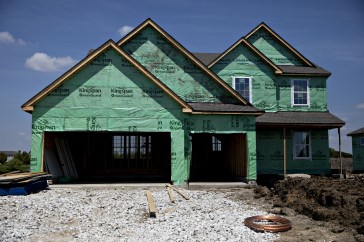
Kindred Home Loans will serve buyers of properties in Dallas and San Antonio markets.
The partnership will expand UHM reach to new markets in Florida, Michigan, Ohio, North Carolina and California.

But the lower rates of the past month did result in a $7-billion boost to its origination forecast for 2022.

The deal will close for $10 million in cash, plus the right to purchase nearly 33.9 million shares of common stock.

Home prices dropped again on a monthly basis in October, exacerbating the loss in home equity among recent buyers, but the size of the falloff was the smallest since June.

However, a tiered pricing system will limit an inflation-driven increase to under 10% for a small group of originators.

Nonbanks will probably see the least change, while securitization lenders, depositories and REITs are likely to experience the most, an Urban Land Institute survey suggests.

The change, effective Dec. 21, is being put into place two years after it was first proposed.

The decline in loan activity and softening prices also helped drive down builder sentiment for the 11th month in a row.
The government-sponsored enterprise put more money aside as mortgage interest rates rise and home prices start to decline.

The $1.3 trillion decline was the largest quarterly drop in dollar volume and the biggest falloff on a percentage basis since 2009, according to Black Knight.

The company's volume fell behind its wholesale-focused chief competitor's in the third quarter but management foresees potential weakness in the broker channel.

That amount of consolidation would be a leap from the previous three-decade high of 33 in 2018, according to Stratmor.

Couldn’t load more articles. Try again.