President Biden has chosen to nominate Sandra Thompson to be the permanent director of the Federal Housing Finance Agency, the White House announced Tuesday.
Thompson, currently the acting director, would succeed former FHFA Director Mark Calabria, a libertarian economist appointed by former President Donald Trump. Biden fired Calabria in June on the same day that the Supreme Court ruled that the agency’s director could be removed by a sitting president without cause.
Thompson has earned widespread praise from housing advocates for undoing Trump-era policies that the mortgage industry and consumer groups opposed. Many say she has helped return Fannie Mae and Freddie Mac to their mission of facilitating homeownership. Support for nominating her grew after rumors began circulating that Biden was also considering Mike Calhoun, a consumer advocate, for the job.
In short order, Thompson suspended the “adverse market” fee imposed by Fannie and Freddie for pandemic-related losses, announced a Fannie plan to include rental payment history in underwriting and proposed housing goals with a new category for lending in minority communities.
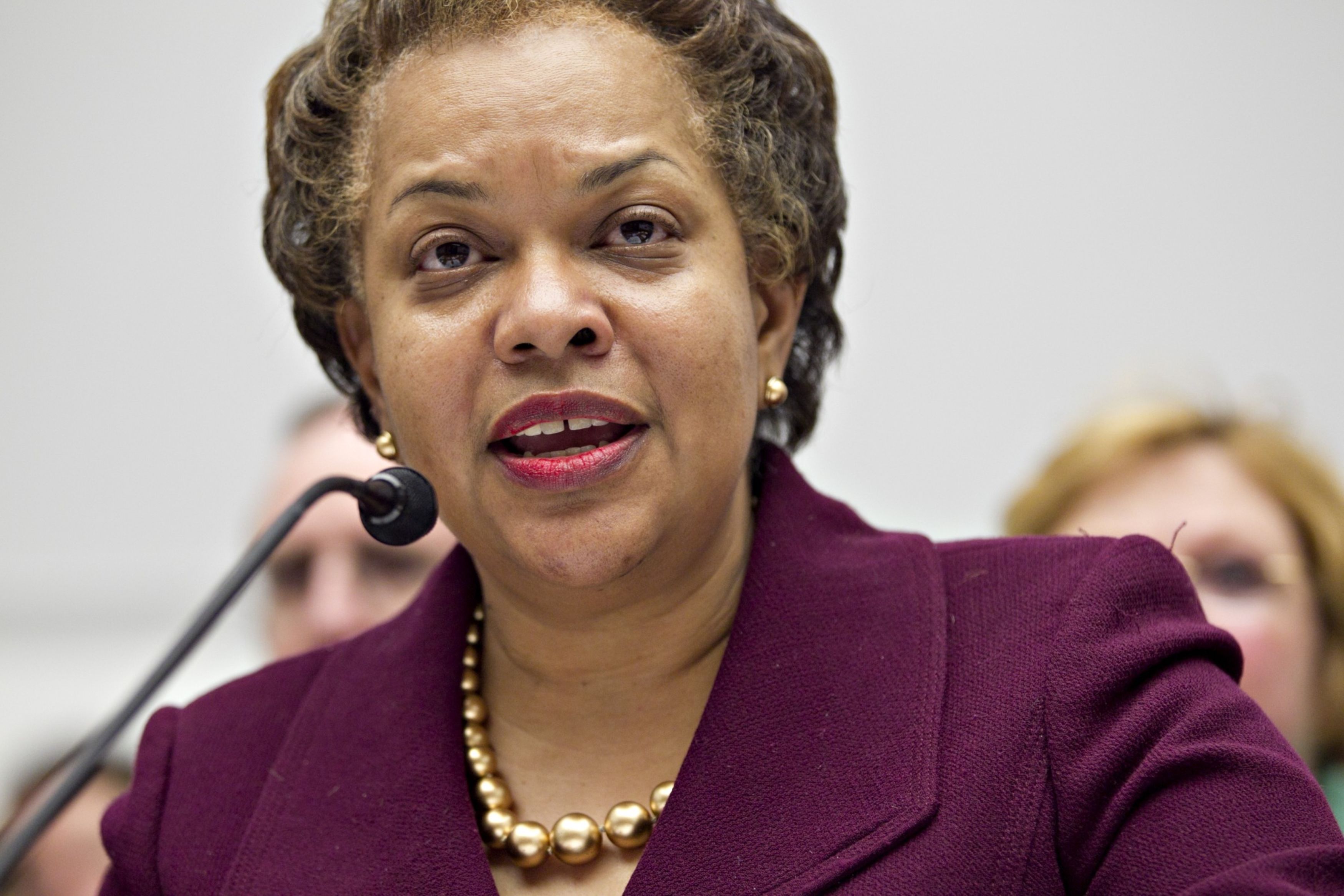
Thompson also moved to strengthen fair-lending enforcement through an agreement with the Department of Housing and Urban Development and proposed refinements to Calabria’s post-conservatorship capital framework for the government-sponsored enterprises.
“While leading the Federal Housing Finance Agency as Acting Director, Ms. Thompson has refocused regulation of the GSEs on ensuring that they fulfill their mission to provide safe, sustainable access to housing across the country,” Senate Banking Committee Chair Sherrod Brown, D-Ohio, said in a statement. “I look forward to holding her nomination hearing soon and encourage my colleagues to support her nomination.”
She also won praise from industry groups for working with the Treasury Department to suspend restrictions — established by Trump administration officials in amendments to the GSEs’ preferred stock purchase agreements — on “high-risk” loans, multifamily lending, use of the cash window and the purchase of second homes and investment properties.
“In her short tenure as Acting FHFA Director, Ms. Thompson has more than proved her capability to be the right person for the job — moving decisively to suspend the counterproductive PSPA restrictions and taking a number of actions to promote the GSEs’ access to credit for underserved and minority borrowers,” the Community Home Lenders Association said in a statement Tuesday.
Thompson has spent more than four decades in the government. She has worked at the FHFA since 2013, most recently as deputy director of the Division of Housing and Mission Goals. In that role, she oversaw regulatory policy, financial analysis, fair lending and all mission activities for Fannie Mae, Freddie Mac and the Federal Home Loan banks.
She previously spent 23 years at the Federal Deposit Insurance Corp., ultimately serving as director of risk management supervision. During the financial crisis, Thompson led the FDIC’s examination and enforcement program for risk management and consumer protection.