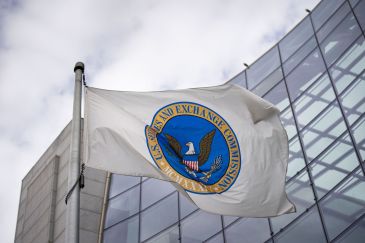
The Securities and Exchange Commission (SEC) is turning its sights on companies’ in-house and outside lawyers for obstructing investigations and for green-lighting questionable mortgage bond deals, The Wall Street Journal reported this morning.
The stonewalling includes tactics like “witnesses forgetting what happened and companies conducting internal investigations that scapegoat junior employees and let senior managers off the hook,” the article said.
Usually the agency only pursues lawyers for active involvement in fraud or misconduct, the paper said, but the SEC is getting fed up with what enforcement director Robert Khuzami calls “less-than-candid testimony.”
Khuzami tells the Journal that SEC staff members have been reporting more lawyers to the agency’s general counsel, which can take action against them for misconduct on the job.
The article briefly acknowledges the possibility that the SEC may be stepping on a slippery slope, and a Journal reader articulates this concern in the comment thread: “Whenever an unpopular defendant winds up in the dock … you will find unprincipled fanatics and opportunists going after his lawyers, including prosecuting attorneys and the news media. …In the United States defendants are entitled to legal representation to defend themselves against criminal and civil charges. This is the American way of life and it distinguishes us from dictatorships and authoritarian regimes. … Attacking a defendant’s attorney is a backhanded way of attacking his rights under the constitution.”
Separately, the Times reported on the growth of the “litigation finance” business, in which third-party investors pay plaintiffs’ legal expenses in exchange for a piece of the potential winnings from the case.
These investments are apparently quite profitable, but some warn the activity could encourage frivolous suits and inappropriately influence cases.
One successful litigation financier responded: “This really is just corporate finance. … It just happens that the underlying asset is a litigation claim instead of an airplane or a photocopier.”
Except you can know with certainty before you write a check whether the plane flies or the machine makes copies, but not whether the claim will prevail in court.
Speaking of ethereal assets, we guess we ought to mention the Dewey & LeBoeuf situation here; the latest story in the Times said partners are now being encouraged to leave the wobbling global law firm. A rash of prior partner departures caused Dewey to breach its loan covenants, and bankruptcy is now a possibility.