When the adoption of buy now/pay later loans skyrocketed during the pandemic amid relatively low interest rates and lockdown-accelerated e-commerce shopping, one of the biggest unanswered questions was how these loans would fare when economic conditions shifted.
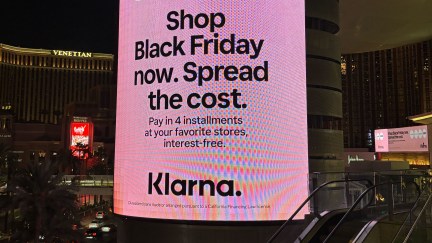
The verdict is in: BNPL loans are flourishing despite higher interest rates and inflation. Use of BNPL loans for online purchases on the Monday after Thanksgiving soared 42% over the same period last year, according to Adobe Analytics. If present trends continue, the estimated $2 billion U.S. BNPL market will expand at a compound annual rate of 31%, reaching $8.3 billion by 2028, according to ResearchAndMarkets.com.
The industry’s ongoing success also fuels concerns. Consumer advocates worry that because most BNPL loans don’t require a credit check or report the loans to credit bureaus, it creates blind spots around users’ total credit exposure that could potentially put borrowers and other lenders at risk. For now, regulators have not crafted specific regulations for BNPL loans, but that may change soon.
BNPL is not a winner-takes-all market, said Larry Diamond, co-founder of the BNPL fintech Zip. “Sixty percent of consumers are living paycheck-to-paycheck, and BNPL loans provide an alternative way for people to budget their spending that feels simpler than a traditional credit card,” he said.
Here’s a closer look at some of the new trends and strategies BNPL lenders are using to stay relevant in the rapidly changing consumer finance landscape.