Toyota Auto Receivables markets an upsized $1.5 billion in auto ABS
The required yield supplement overcollateralization (YSOA) is 9.65%, up from 9.30% in YSOA on the TAOT 2023-A.

© 2026 Arizent. All rights reserved.

The required yield supplement overcollateralization (YSOA) is 9.65%, up from 9.30% in YSOA on the TAOT 2023-A.
The collateral had a WA FICO score of 780. Classes A, B, and C notes had credit enhancement levels of 23.5%, 19.5%, and 16.1%, respectively.

The deal has the lowest concentration of leases with 37- to 48-month original terms, according to Fitch Ratings, at 34.6%.

Underlying loans have an average balance of $25,853, which is in line with balances on previous deals. On a weighted average (WA) basis, the deal's loan-to-value on FCAT 2023-3 was 119.4%.

The $35 million, class A-1 notes on the current deal have total initial credit enhancement of 7.50%, compared with 8.80% on the class A notes on the CRVNA 2023-P2.

The 2023-P1 collateral pool, which finances new and used auto purchases, has a weighted (WA) average credit bureau score of 736, WA seasoning of 24 months, and a WA loan-to-value ratio of 111.31%.

Classes A, B, C, D and E are expected to have credit support of 64.4%, 57.6%, 46.4%, 37.7% and 33.1%, respectively. Those support levels include hard credit enhancement and a haircut to excess spread.

Scores between 601-650 account for 72.02% of the FICO distribution on FCRT 2023-1, compared with 46.65% on the FCRT 2023-1, according to KBRA.

BofA's first auto loan securitization since 2012 will be backed by a pool of new and used automobile and light truck loans originated by the bank.

Executives at both companies warned that softening car prices will likely fall further as inventory grows, a welcome sign for inflation-weary buyers but worrisome for dealers facing new pressure on profit margins.

Prime quality U.S. vehicle leases back an issue comprising 91% class A notes.

The deal has a slightly higher weighted-average FICO and slightly lower exposure to longer-term loans than its predecessor but a slightly worse FICO tier distribution.

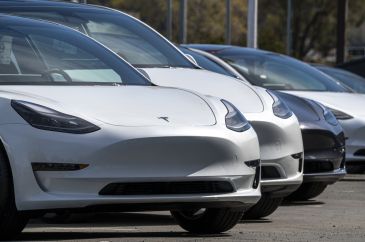
Tesla, which started its ABS program in early 2018, is repackaging a pool of leases on new electric vehicles manufactured by Tesla and originated through Tesla Finance into the securities.
The dollar-denominated auto loan notes are protected by currency swaps.

The underlying portfolio of car, utility vehicle and light-duty truck loans has a weighted average FICO score of 782.

The concentration of FICO scores over 750 in the collateral pool is the highest for Hyundai auto ABS transactions since 2017.

The underlying collateral pool is smaller than in the automaker's comparable ABS transaction in 2022, but with larger principal balances and higher APRs.

Both credit card and student loan issuers made up for tepid starts to 2023 by leaping over their first-quarter production numbers, but it wasn't enough to overcome an overall slide.

DriveTime's latest has initial hard credit enhancement that ranges from 55.70% for the class A notes to 15.40% for the class E notes, and the company just bumped up its warehouse commitment.

Tesla features prominently in the collateral, representing 41.73% of receivables from borrowers with higher FICO scores than the overall pool.

Couldn’t load more articles. Try again.