Loan eligibility and forbearance options lead lender concerns: Survey
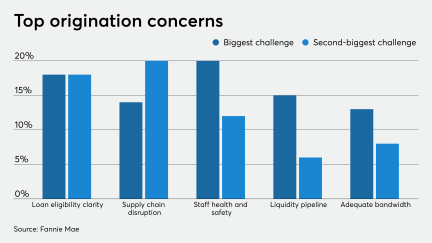
Lenders and servicers' biggest pandemic challenges revolve around clarity for loan eligibility and understanding options for their borrowers once the forbearance period ends.
© 2026 Arizent. All rights reserved.

Lenders and servicers' biggest pandemic challenges revolve around clarity for loan eligibility and understanding options for their borrowers once the forbearance period ends.
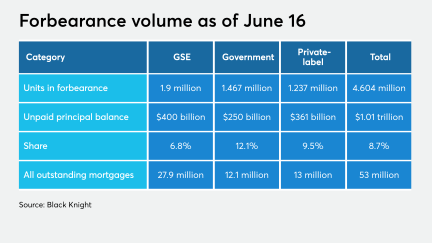
Compared with the week prior, approximately 57,000 fewer loans from all investor types were forborne.
The inability of Democrats and Republicans to agree on a chairperson and lack of sufficient personnel have made it harder for the commission to do its job — hold Treasury and the Fed accountable for implementing the coronavirus relief law, observers say.

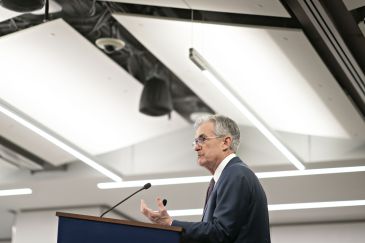
The Fed chairman updated senators about the agency's new credit facility for midsize firms struggling in the pandemic. He also left open the possibility of additional stress tests to gauge the industry’s coronavirus response.
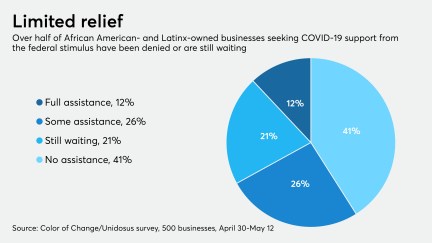
Evidence suggests some minority-owned businesses can’t access loans, and the Trump administration is under pressure to report borrower demographics. The issue is gaining attention against the backdrop of protests over the George Floyd killing.
The central bank is only now nearing the launch of the credit facilities after the effort was announced in April. But Chairman Jerome Powell said loans have been available through other means.

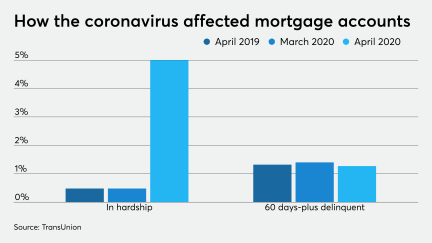
Some lawmakers fear that when forbearance plans and enhanced unemployment coverage expire, the consequences for mortgage borrowers still affected by the pandemic will be severe.

The central bank will increase support for credit issued through the Main Street Lending Program while providing midsize firms with more flexibility on the amounts they receive.
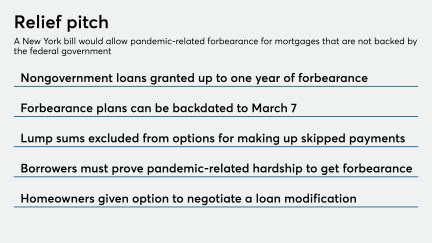
One criticism of the CARES Act is that it provides relief only to borrowers with government-backed loans. Bills in New York and California would cover the remaining 30% of homeowners.
The Federal Reserve Bank of Boston published details on the terms for lenders and borrowers to participate in the facility intended to provide coronavirus relief funds to middle-market firms.

Loans with coronavirus-related forbearance have to be reported as current to the credit bureaus but there’s a ripple effect from them that has implications for credit reports and underwriting.
The agency's announcement came one day after the agency said it would provide borrowers struggling to stay current with an additional payment deferral option.

The agency is being methodical in its rollout of the Main Street Lending Program in hopes of avoiding missteps that followed the launch of other coronavirus relief efforts. But observers say delaying aid brings its own risks.

Because of debt restrictions in Main Street lending programs, many speculative-grade borrowers appear ineligible for federal loans to alleviate COVID-19 stresses, according to a new report from Fitch Ratings.
