Commercial mortgage performance improves again, but worries remain
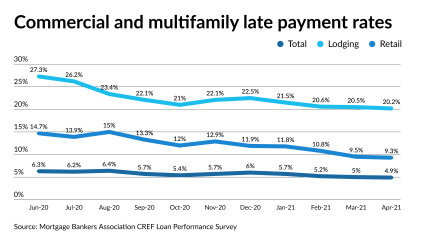
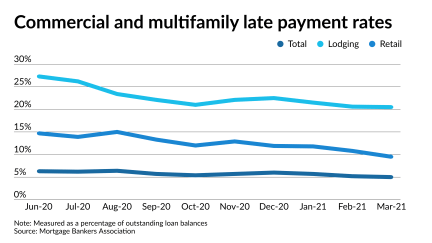
Short-term late payment rates rose again and later stage delinquencies remain at elevated levels compared to those prior to the pandemic, the Mortgage Bankers Association said.
© 2026 Arizent. All rights reserved.

Short-term late payment rates rose again and later stage delinquencies remain at elevated levels compared to those prior to the pandemic, the Mortgage Bankers Association said.
However, conditions for commercial mortgages overall worsened slightly due to persistent concerns in the hotel and office sectors, a Moody’s Investors Service report found.
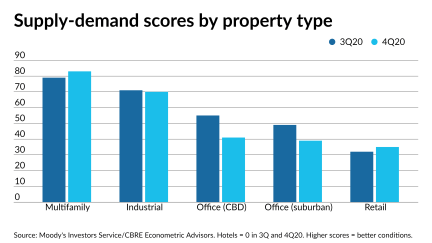
Thanks to a series of government measures, the pandemic did not cause the massive wave of distressed debt flooding the market that many expected, but certain property types remain vulnerable.
However, the number of borrowers who failed to remit payment but were not yet 30 days overdue increased.
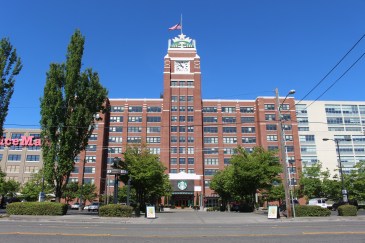
Vornado, a publicly traded REIT, and CPPIB have invested over $64.2 million in capital improvements to the historic One Park Avenue building since 2014.

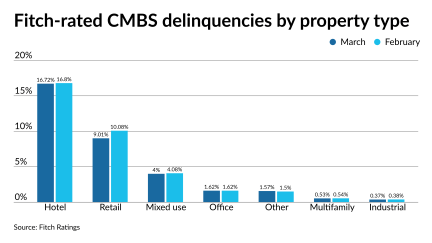
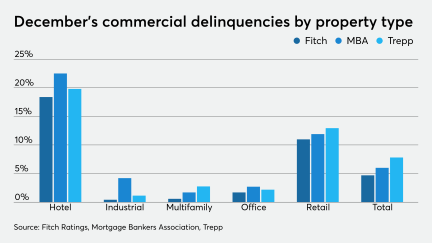
Fitch and Trepp reported that overall commercial mortgage-backed security delinquencies were down, while the MBA reported a slight increase.
The $425 million loan securitization is among two single-asset, commercial-mortgage deals launching this week. Brookfield Asset Management's global real estate arm is also tapping investors to finance an $825 million loan backed by a downtown Manhattan office building.
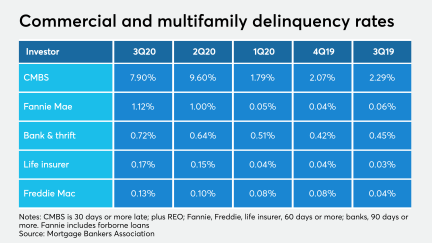
But late payments for all other investor types rose compared with the second quarter.
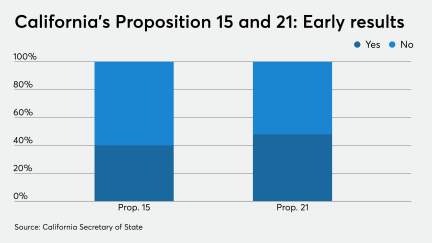
The ballot measure, which would allow local jurisdictions to expand rent control, had concerned mortgage companies who worried the law would result in a patchwork of different policies that could complicate underwriting and discourage lending.
And an uptick from second-quarter numbers is attributed to seasonality rather than any upswing in the economy.
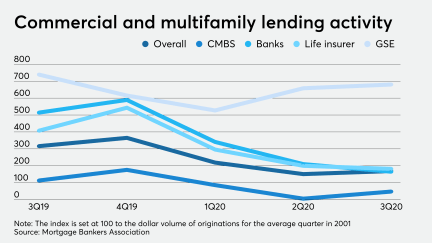
Overall debt outstanding for delinquent commercial and multifamily mortgages cut down in September as more of the economy opens further with lodging and retail far behind, according to the Mortgage Bankers Association.
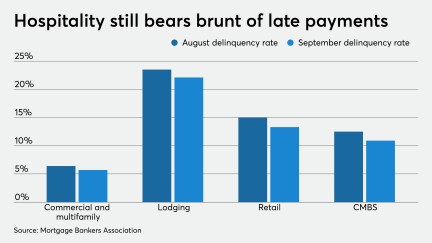
Delinquencies will rise due to the severe effects of the pandemic on the commercial property sector, Fitch said.
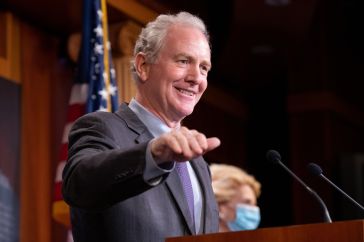
The Senate Banking Committee met Wednesday to review central bank lending facilities such as the Main Street Lending Program, which provides bank-issued loans to middle-market firms. But some lawmakers on the panel said the focus of pandemic relief has been misplaced.
Individuals who received a coronavirus stimulus check earlier this year also qualify for the protection, as do couples who jointly file their taxes and expect to earn less than $198,000.
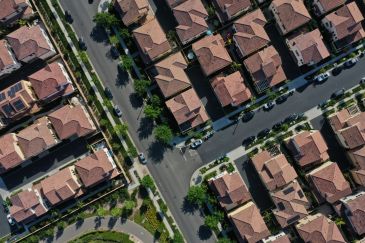
While cutting losers to buy winners is an age-old investment proposition, the Covid-19 pandemic may create even more openings than the past crises that became bonanzas for real estate investors.

Borrowers will likely have to put more assets on the line to get forbearance extensions.
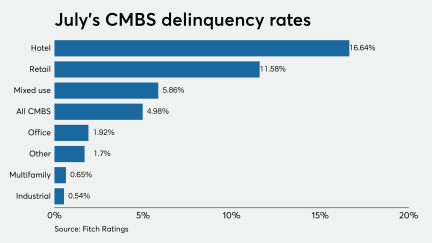
While the multifamily loan forbearance rate is lower than the most pessimistic projections, Pat Jackson says borrowers are hardly out of the woods yet.

For banks with assets between $10 billion and $100 billion, the average exposure is 165% of capital.
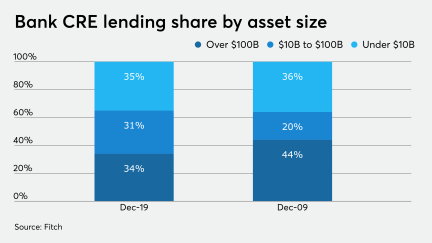
But deal sponsors are primarily restricting property assets to the lower risk multifamily and office buildings that lenders are more confident will weather the economic strains brought by the coronavirus pandemic.
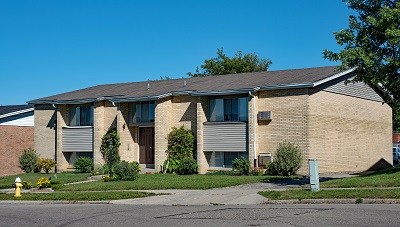
Mounting economic fallout from the pandemic is fueling apartment landlords' concerns that more tenants will struggle to make their rent payments, even after most managed to come up with the money for April.
Couldn’t load more articles. Try again.