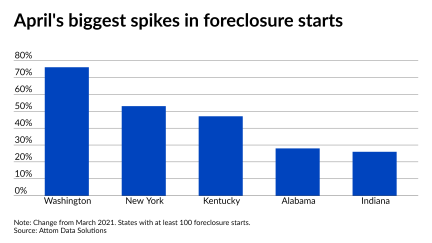
Foreclosure starts jumped in 24 states in April
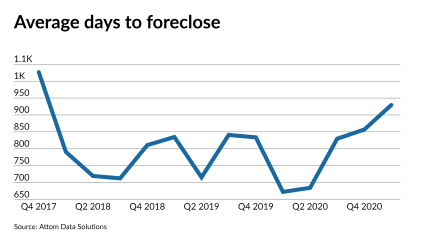
Most of the activity covered vacant and abandoned properties or commercial loans, according to Attom Data Solutions.
© 2026 Arizent. All rights reserved.

Most of the activity covered vacant and abandoned properties or commercial loans, according to Attom Data Solutions.
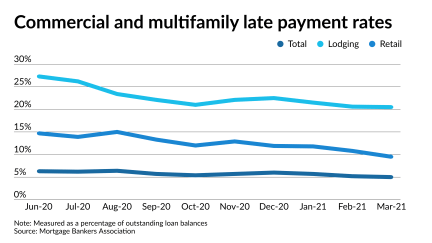
Short-term late payment rates rose again and later stage delinquencies remain at elevated levels compared to those prior to the pandemic, the Mortgage Bankers Association said.
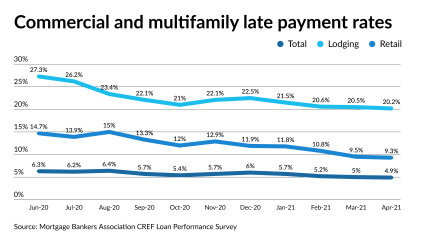
While government protections currently shield most borrowers and delay process timelines, a growing backlog is likely to hit some areas of the country worse than others.
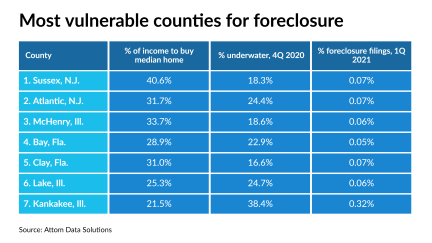
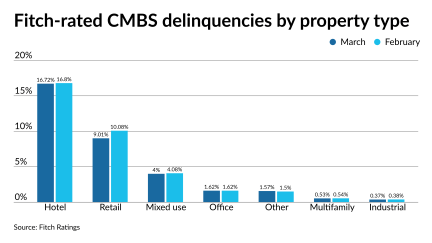
Thanks to a series of government measures, the pandemic did not cause the massive wave of distressed debt flooding the market that many expected, but certain property types remain vulnerable.
Though the government-sponsored enterprises have some of the lowest forbearance rates in the market, they expect to contend with a significant population of borrowers who face steep financial setbacks after the pandemic ends.

Also, even with bans in place, the total number of filings keeps inching up due to actions taken on vacant properties.
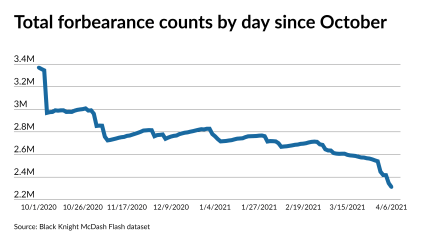
However, the decline in Black Knight’s numbers may stem from a previous deadline that policymakers have since extended.
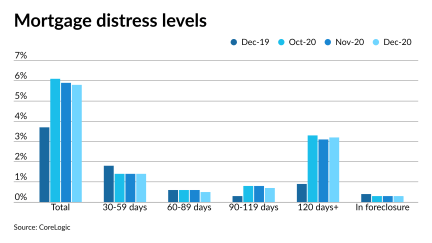
However, the number of borrowers who failed to remit payment but were not yet 30 days overdue increased.
About 3.4 million renters believe themselves to be at risk of eviction, but when the moratorium ends, the actual number may be between 130,000 and 660,000, according to a Zillow report published Monday.
The Consumer Financial Protection Bureau’s acting director has said he could rethink the pending Fair Debt Collection Practices Act rules, but a report released Monday indicated they’re moving ahead for the time being.
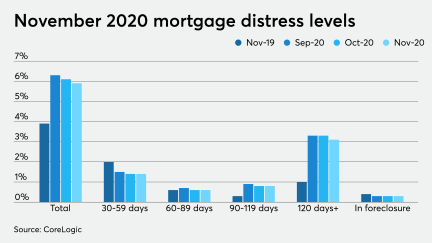
As an improving job market aided financial stability for borrowers, 2020 ended with drops in delinquent home loans, a CoreLogic report found.
The agency will allow an additional three months of forbearance for multifamily property loans backed by Fannie Mae and Freddie Mac, as long as tenant protections are offered.
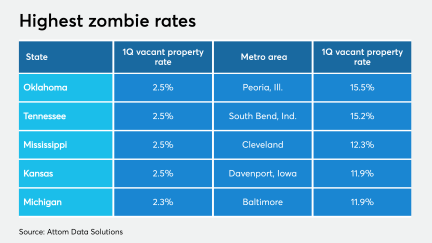
While foreclosure moratoria keep the overall numbers down, zombie foreclosure rates jumped in the majority of states, according to Attom Data Solutions.
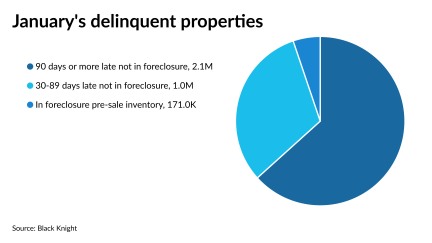
Servicers could be dealing with approximately 1.8 million distressed properties when the latest forbearance extension ends in June, Black Knight said.
While the Mortgage Bankers Association hailed the move, some experts say it could negatively impact housing inventory.

Gains in consumer financial stability helped to decrease the rates of distressed home loans, but job creation is needed to make recovery sustainable, a CoreLogic report found.
Meanwhile at Essent, more loans exited the inventory in January than in December.
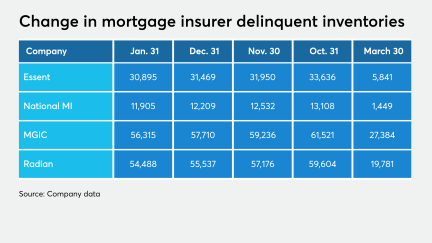
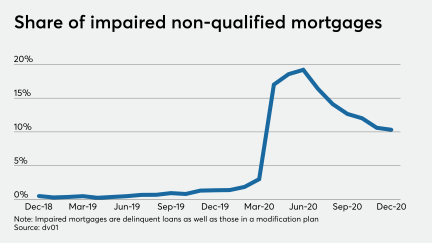
However, the share of new impairments increased, likely as a result of the high concentration of these loans given to self-employed borrowers.
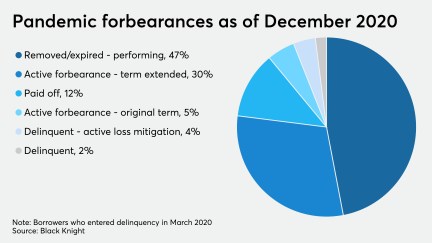
The CARES Act-related forbearances could be “lulling us into a false sense of security” as 12-month expirations approach, according to Black Knight.
The government-sponsored enterprises’ moratoria will now continue well past inauguration day, according to the Federal Housing Finance Agency.
Couldn’t load more articles. Try again.