HUD proposes easing Obama-era fair housing rule
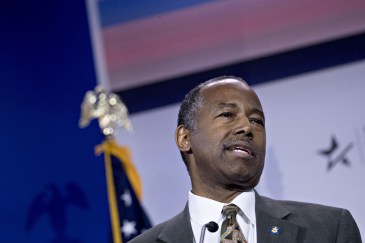
The Department of Housing and Urban Development has proposed an overhaul of an Obama-era rule meant to guide local jurisdictions in how they comply with the Fair Housing Act.
© 2026 Arizent. All rights reserved.

The Department of Housing and Urban Development has proposed an overhaul of an Obama-era rule meant to guide local jurisdictions in how they comply with the Fair Housing Act.
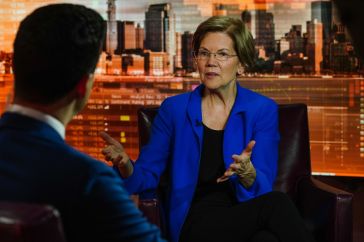
The two Democrats sent a letter “raising grave concerns about whether the bureau is fulfilling its statutory obligations.”
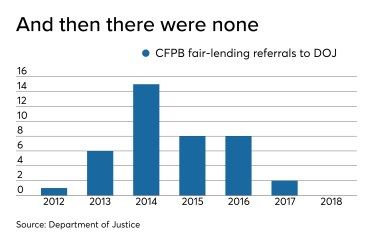
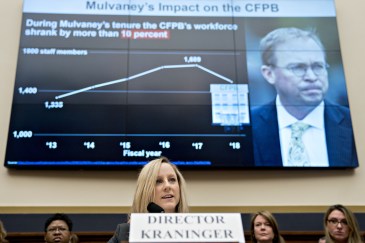
Despite assurances by Director Kathy Kraninger that the agency is cracking down on discrimination, it hasn't sent a Department of Justice referral on a fair-lending violation in two years.
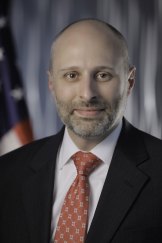
Eric Blankenstein, who resigned from the Consumer Financial Protection Bureau in May after the discovery of his racially charged writings, was named acting executive vice president of Ginnie Mae.
The CFPB did not file any fair-lending enforcement actions in the 2018 fiscal year and did not refer any Equal Credit Opportunity Act violations to the Department of Justice.
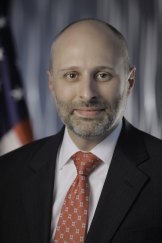
The mortgage agency has hired Eric Blankenstein, who sparked controversy while at the consumer bureau over past revelations of racially charged writings.
The company intentionally submitted inaccurate borrower information overstating the number of white applicants, the consumer bureau alleges in a consent order.
The agency's spring rulemaking agenda includes the process for collecting small-business data as well as underwriting rules for GSE-backed loans. But what's missing from the list may be just as important.
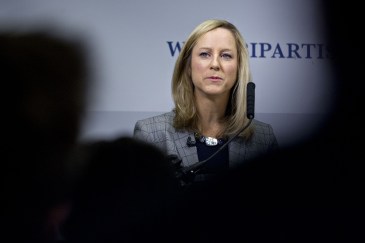
Eric Blankenstein, the CFPB's policy director for supervision, enforcement and fair lending, has been criticized for using a racial slur in blog posts 15 years ago and claiming the majority of hate crimes were hoaxes.
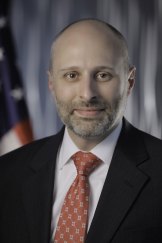
Questions surrounding Eric Blankenstein, a senior CFPB official whose racially charged writings from over a decade ago have led to calls for his resignation, have been referred to the agency's watchdog.
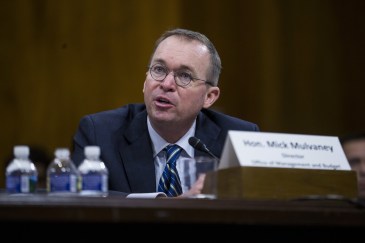
Rep. Emanuel Cleaver, D-Mo., released a survey of lending practices that he said point to practices such as forced arbitration clauses and extracting a customer’s credit score to determine creditworthiness.
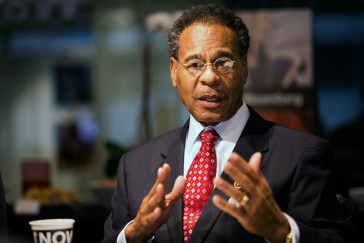
The CFPB is looking to rescind Obama-era policy that allowed it to punish banks and financial firms for unintentional discrimination.
Which industries have the highest prevalence of unwanted sexual conduct in the workplace? Will the #MeToo movement have a lasting impact? Key findings from a SourceMedia survey.

It’s tough enough to grapple with sexual harassment in the workplace. It’s more complex when clients are involved.
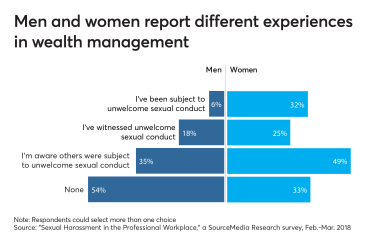
Optimism that the #MeToo movement will have a positive influence is high among bankers who participated in a recent survey on sexual harassment. But there is also concern that it could lead to gender discrimination in hiring and mentoring.
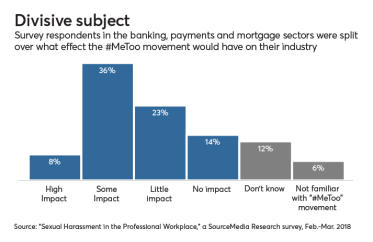
An unprecedented, industrywide survey of sexual harassment in the professional workplace reveals industries with the highest prevalence of unwanted sexual behavior, the differences between large and small companies, and blind spots that may be preventing corrections. Fortunately, the data also lights a path forward.

From inappropriate touching to belittling comments, women advisors confront workplace environments that are far from welcoming.

Scratch beneath the surface, and there is a lingering feeling among many in the banking, payments and mortgage sectors that not only is harassment present, but it may actually be inevitable. Experts say institutions need to combat that mindset — or else.

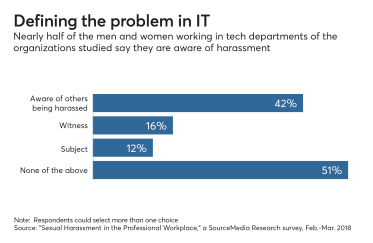
Many workers in the technology departments across a range of industries describe behavior that may fall short of a legal definition of sexual harassment, but is still disturbing and could contribute to low employee morale and high turnover.
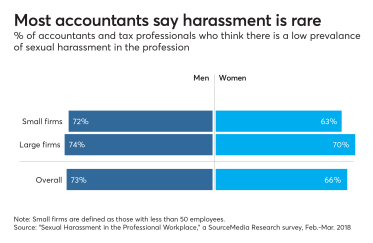
Men and women who work in accounting say there’s a low prevalence of sexual harassment in the profession; the numbers suggest otherwise.
Couldn’t load more articles. Try again.