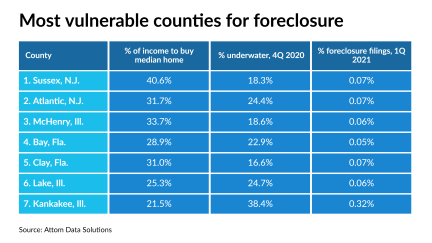
New Jersey, Illinois dominate markets most vulnerable to foreclosure
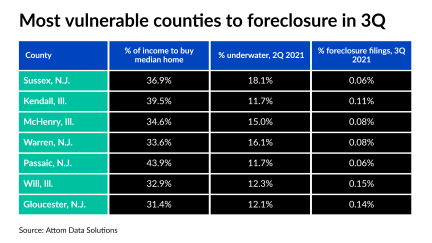
Counties in the West faced the least risk from pandemic distress in the third quarter, according to Attom Data Solutions.
© 2026 Arizent. All rights reserved.

Counties in the West faced the least risk from pandemic distress in the third quarter, according to Attom Data Solutions.
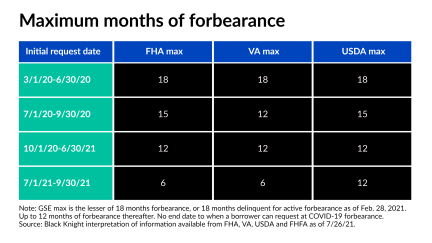
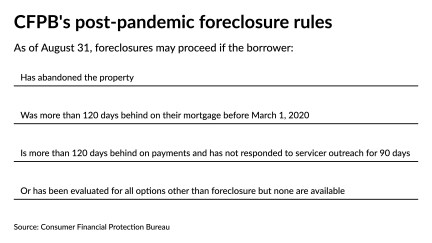
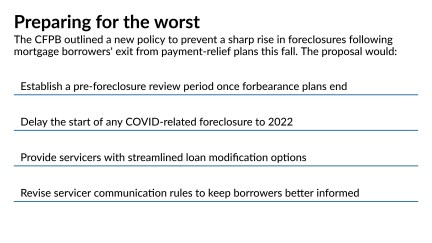
The agency developed measures taking effect Aug. 31 that, among other things, will allow lenders to prioritize foreclosures of the most impaired loans and then focus on modifying salvageable ones.
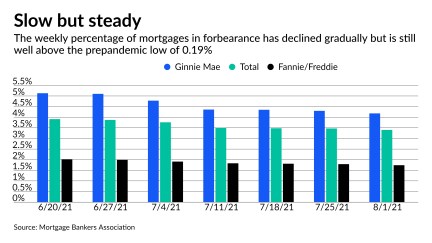
The number of people exiting pandemic-related payment suspensions starting in September will be daunting to process, according to a Black Knight report published Monday.
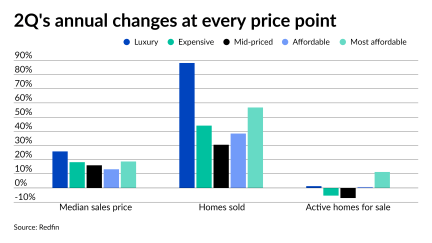
Concerns about foreclosure and a crowded market led to an increase in listings at lower price points in the second quarter.
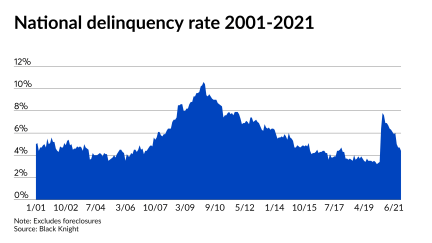
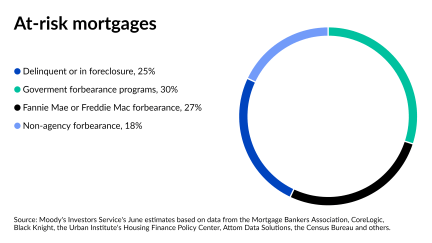
The relatively low share of borrowers who were distressed in June adds to signs that the offramp from government relief measures may not lead to an overwhelming wave of foreclosures.
The meager increase suggests the largest boost in inventory possible would likely still leave the backlog of homes on the market at historic lows.
The return of more normalized numbers for two key players in the home loan market could be the lead-up to a wave that’s been anticipated since the coronavirus arrived.
The Consumer Financial Protection Bureau issued a temporary final rule that allows mortgage servicers to initiate foreclosures on abandoned properties and certain delinquent borrowers, but it also outlined additional measures that shield distressed homeowners.
Experts expect only a small uptick in distressed mortgages, either through default or inability to refinance, which will create some opportunity for debt buyers
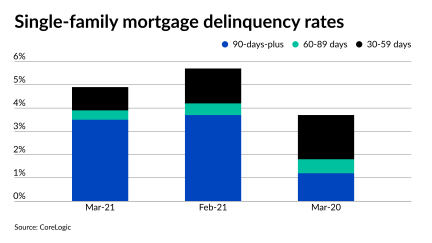
But March's overall late payment rate was 1.3 percentage points higher than one year ago, while the 90-day-plus rate was 2.3 percentage points higher.
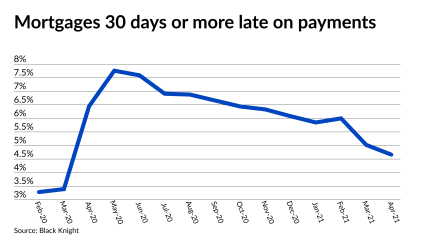
For the first time since the pandemic began, the share of borrowers who are 30 days or more late on their payment is below 5%, Black Knight found.
Only 0.9% of mortgage borrowers are currently at least 90 days delinquent. That figure could rise as high as 3.8% once pandemic-related deferrals lapse — still well below the 6% mark reached after the Great Recession, according to research by the New York Fed.
Most of the activity covered vacant and abandoned properties or commercial loans, according to Attom Data Solutions.
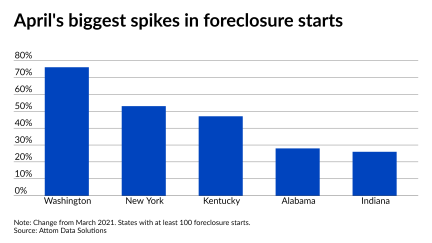
While government protections currently shield most borrowers and delay process timelines, a growing backlog is likely to hit some areas of the country worse than others.
Federal Housing Finance Agency Director Mark Calabria said he wants to work with the consumer bureau on an “exit strategy” for borrowers approaching the end of their forbearance periods.

Also, even with bans in place, the total number of filings keeps inching up due to actions taken on vacant properties.
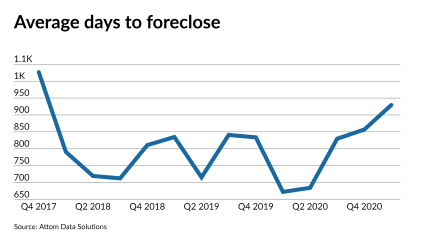
One official at the bureau said this fall could be an “unusual point in history” for the mortgage market as delinquent borrowers exit forbearance plans. The agency proposed new steps for servicers to help consumers stay in their homes.
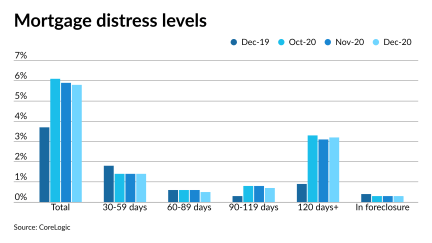
As an improving job market aided financial stability for borrowers, 2020 ended with drops in delinquent home loans, a CoreLogic report found.
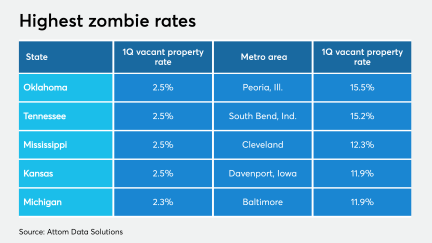
While foreclosure moratoria keep the overall numbers down, zombie foreclosure rates jumped in the majority of states, according to Attom Data Solutions.
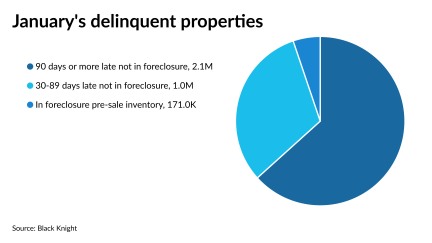
Servicers could be dealing with approximately 1.8 million distressed properties when the latest forbearance extension ends in June, Black Knight said.
Couldn’t load more articles. Try again.