Homebuilder stock woes deepen as rates hurt affordability
In a week where homebuilding stocks were faced with surging U.S. Treasury yields and data showing weakening demand for homes, one analyst is throwing in the towel on the sector.
© 2026 Arizent. All rights reserved.

In a week where homebuilding stocks were faced with surging U.S. Treasury yields and data showing weakening demand for homes, one analyst is throwing in the towel on the sector.
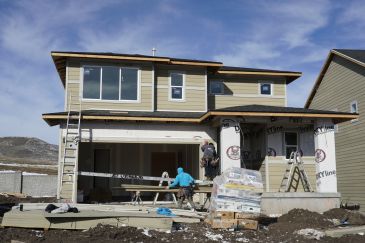
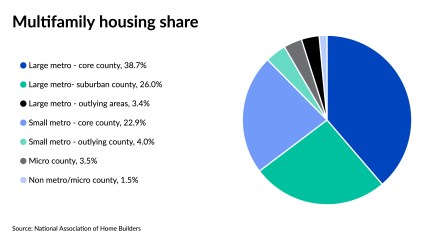
Consumer demands for lower density and more affordable prices fueled a larger share of construction outside urban cores, but recent trends have led to slowdowns across the board.
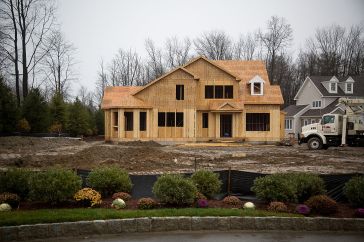
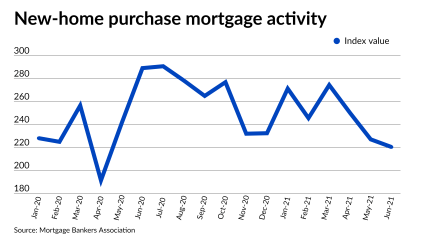
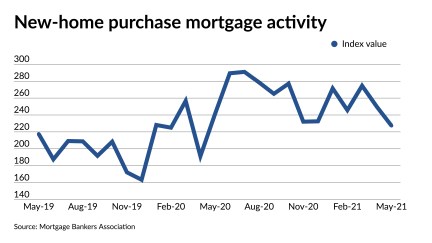
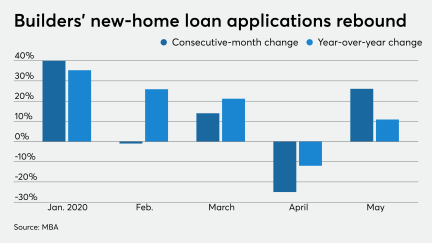
Activity is coming in at or below 2020 levels according to reports from the Mortgage Bankers Association and Redfin.

Despite some moderation in overall supply prices, concrete products are running consistently higher.
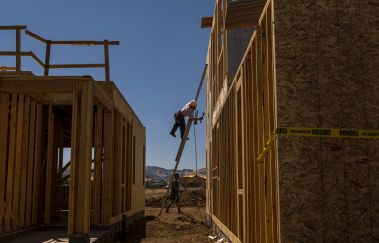
New single-family home mortgage applications, housing starts and industry sentiment all came in at their lowest since 2020.
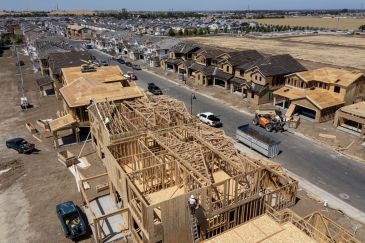
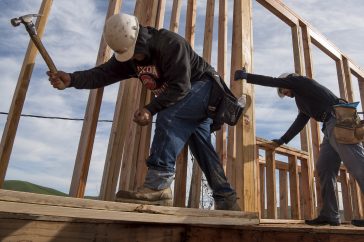
The slowdown in new single-family construction is one of several headwinds homebuilders find themselves facing this summer.
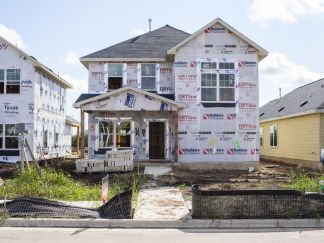
Industry leaders suggested they’ve "never felt so worried at a time when everything feels so good otherwise," said Chris Herbert, managing director of the Joint Center for Housing Studies of Harvard University.
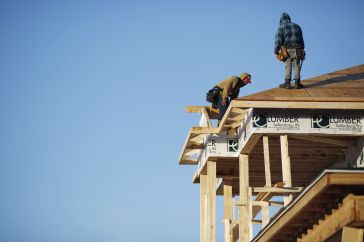
Lumber prices have wavered, but gypsum, steel and transportation were still on the rise in the past month, according to a National Association of Home Builders analysis.

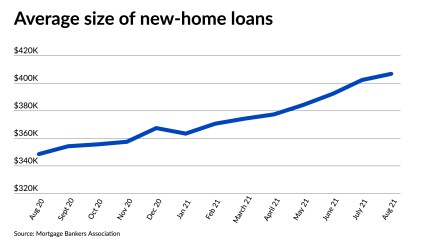
December's average balance for a mortgage to purchase a newly constructed property set an all-time high, the Mortgage Bankers Association's Builder Application Survey found.
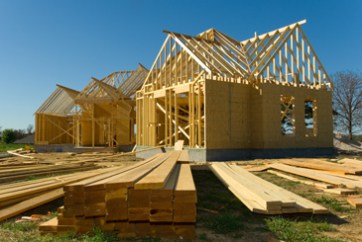
Applications were up 9% compared to July’s total, while the average price for newly built houses hit a record.
U.S. homebuilder sentiment rose in September amid lower lumber prices and strong housing demand.
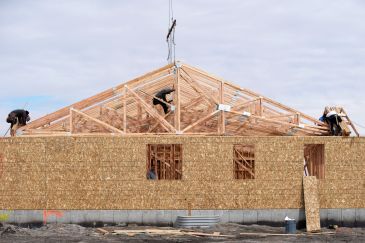
Single-family home construction also increased across communities of all sizes, but notably in outlying metro areas.
But average loan sizes remain near record highs, with summer purchases of new constructions continuing to drive up prices.
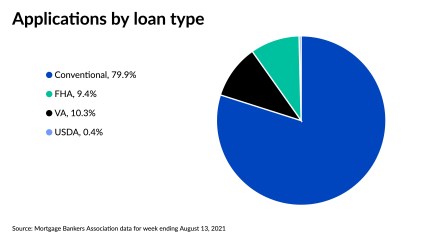
Meanwhile, the average new-home mortgage price climbed to a new all-time high, according to the Mortgage Bankers Association.
Demand was strongest at the high end of the market, which pushed loan amounts up for the fourth straight month.
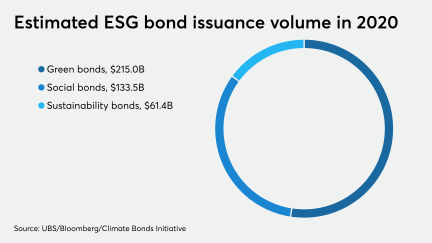
Issuance of securitizations backed by these loans is becoming more dependable, and Fannie will need more mortgages that finance newly-built energy-efficient homes to keep it going.
The race enters a complicated phase that could impact financial markets.

Home starts fell more than forecast in August, reflecting less construction of apartments and a decline in the tropical storm-hit South, representing a pause in momentum for a housing market that's been a key source of fuel for the economy.
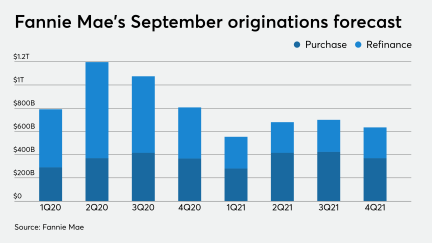
Low rates, along with increased new and existing home sales activity drives the latest forecast.
The availability of some loans used to build homes dried up due to the coronavirus. Opening up the economy may help if it doesn't lead to a spike in infections, and if consumer demand persists.
Couldn’t load more articles. Try again.