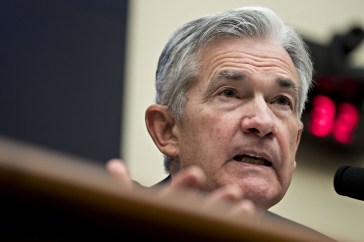
U.S. producer prices rise 10%, reinforcing Fed’s rate-hike path
It’s the latest indication of rapid inflation in the U.S., and prices are poised to accelerate further after Russia’s invasion of Ukraine sent prices of some raw materials to new highs.

© 2026 Arizent. All rights reserved.

It’s the latest indication of rapid inflation in the U.S., and prices are poised to accelerate further after Russia’s invasion of Ukraine sent prices of some raw materials to new highs.
The consumer price index jumped 7.9% from a year earlier following a 7.5% annual gain in January, Labor Department data showed Thursday. The widely followed inflation gauge rose 0.8%.

Energy prices are complicating the task for policy makers, who face a delicate balancing act in tightening to curb inflation without killing the economic recovery.

A sustained jump in crude increases the prospect of a global recession and a return to the stagflation seen in the 1970s, where inflation runs hot but there’s no underlying economic growth.

The gains come even as the crisis spurred by Russia’s invasion of Ukraine threatens disrupt the supply of oil, natural gas and other key commodities, further fanning record high inflation expectations.

Bond traders’ expectations for how fast inflation will rise over the coming five years have topped 3% for the first time on record.

Market-implied expectations for U.S. inflation for the next half-decade surged to the highest in 15 years amid the latest increase in commodity prices.

The dot plot will be the star of the meeting, but the coronavirus and the elections will be part of the discussion, economists say.

Federal Reserve Chair Jerome Powell announced a new approach to monetary policy Thursday that takes a more relaxed stance on inflation and on its view of how low U.S. unemployment can go.