
Powell: Fed made ‘mistakes’ in regulation and supervision on his watch
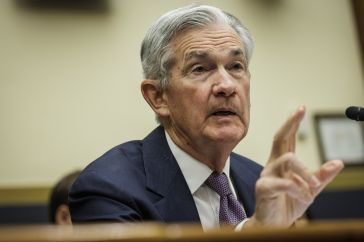
The Federal Reserve chair said he holds himself accountable for ensuring proper regulatory and supervisory changes are enacted in response to recent bank failures.
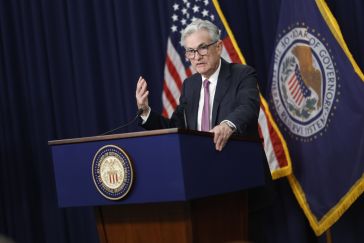
The Federal Reserve chair said he holds himself accountable for ensuring proper regulatory and supervisory changes are enacted in response to recent bank failures.
The legislative proposals backed by Republican members of congress seek to undo the latest cross-subsidized adjustments to loan fees that two large government-related mortgage investors charge.
On Friday, Federal Reserve Vice Chair for Supervision Michael Barr will share findings from his review of the supervision of Silicon Valley Bank before its failure last month.
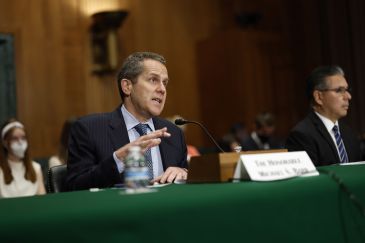
Federal Reserve Vice Chair for Supervision Michael Barr had promised to share findings from his review of the Fed's oversight efforts for the failed bank by May 1.
The proposal marks a concession for Republicans, but it's designed more to start negotiations with the White House rather than pass the Democratic-controlled Senate.

In wide-ranging remarks on the recent banking crisis, the head of the Consumer Financial Protection Bureau said other regulators aren't using enough of their powers to supervise banks.

Executive compensation legislation could be one of the few areas of bipartisan agreement in Congress in the wake of the Silicon Valley Bank and Signature Bank failures.
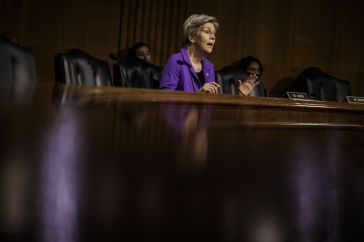
The Consumer Financial Protection Bureau issued a broad policy statement on what constitutes an "abusive" act or practice. Industry has long sought to narrow the definition.
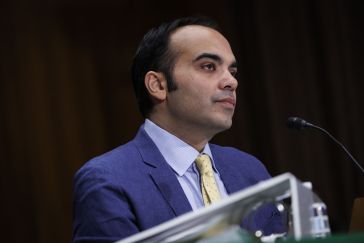
More congressional scrutiny is being directed at the San Francisco Federal Reserve bank and its role in supervising Silicon Valley Bank.
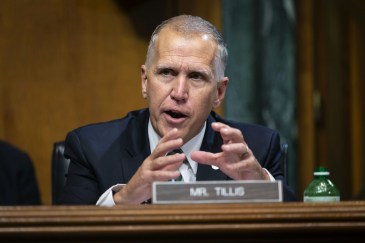
The rules President Joe Biden calls for include minimizing the financial burden that replenishing the Deposit Insurance Fund would impose on community banks.
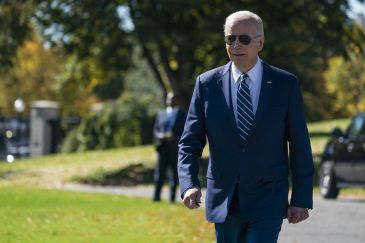
Jelena McWilliams, who chaired the agency during the Trump administration, said removing the cap on insured deposits would impact the banking sector in three key ways.
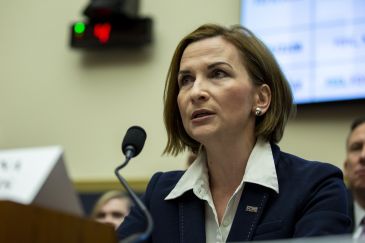
The use of the Federal Reserve's emergency lending facilities was largely unchanged this week, indicating to some that the recent liquidity crisis isn't getting any worse.
Treasury Secretary Janet Yellen repeated her comment from a day earlier that the government's recent actions were "taken to ensure that Americans' deposits are safe." She sought to clarify it with a new line: "Certainly, we would be prepared to take additional actions if warranted."
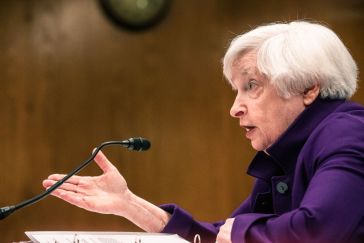
A federal appeals court ruled in favor of the Consumer Financial Protection Bureau, setting up a court split ahead of a highly anticipated Supreme Court hearing in October. The Fifth Circuit previously ruled that the agency's funding mechanism violates the Constitution's separation of powers doctrine.
The incentive structures for both banks and large, sophisticated depositors have changed because of federal regulators' decision to guarantee the uninsured deposits of Silicon Valley Bank and Signature Bank.
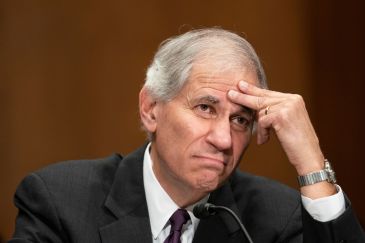
The new fees based on the DTI, which lenders have said is too likely to vary throughout the origination process for a single loan, will now go into effect in August.
After the failure of two banks between $100 billion and $250 billion of assets, many are asking regulators to change their oversight practices for these banks. The Fed has a wide berth to make a wide array of changes.
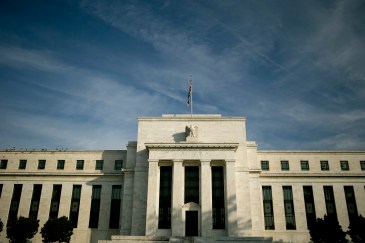
A $13.5 billion advance to Silicon Valley Bank months before its collapse is another sign that the Home Loan banks encourage risk-taking that can burden the Federal Deposit Insurance Corp. or even the system itself, critics say.
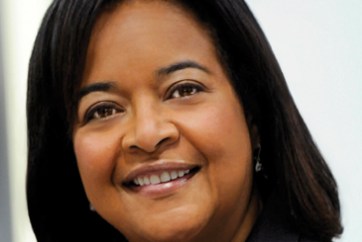
During his second day of congressional testimony this week, the Federal Reserve chair faced several questions about the Consumer Financial Protection Bureau's embattled funding mechanism.
For some political strategists, rising economic populism in the Republican party could mean that more financial services firms could face more political risk.
Couldn’t load more articles. Try again.