Orico returns to U.S. ABS market with Japan auto-loan receivables
The Japanese lender will back $526 million in U.S. dollar-denominated notes with receivables of domestic new- and used-car loans from domestic borrowers.
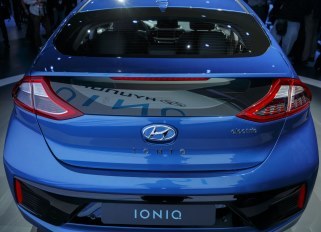
The two deals will add to the pipeline of 2021 prime auto-lease transactions led earlier this month by Hyundai Capital America.
The notes offering is the largest among the 21 auto-lease deals HCA has issued since 2011, and the fourth that has topped $1 billion in offered notes.
The share of 72-84 month loans is 15.56% in GMF's 2021-1 transaction, up from 12.24% in its prior prime-auto issuance.
The WA FICO of 710 contrasts with the range of 554 to 635 in recent Carvana securitizations centered on subprime borrowers.
Auto-loan securitizations from AmeriCredit and Santander add to a briskly flowing 2020 subprime-deal pipeline, while Ford and JPMorgan are marketing notes backed by prime-loan receivables.
Market conditions allowed for a larger bond issuance, as well as interest rate pricing that was less than half that of the coupons the captive-finance lender offered investors from its prior May issuance of auto loan asset-backed securities.
JPMorgan Chase, which has an $18.4B prime auto-loan portfolio, has not ventured into the securitization market with publicly rated auto-loan collateral since 2006, according to ratings agency reports.
Seven-year loans make up over 10% of the latest pool of originations from Santander's Chrysler Capital division, nearly a tenfold increase from the prior issuance from the shelf.
The Fed's TALF program to support AAA-rated ABS securities issuance continues to resonate in the prime auto securitization space.
S&P Global Ratings has projected slightly higher investor loss levels for BMW Financial Services' first 2020 auto-loan securitization, compared to the captive-finance auto lender's previous deal in 2019. But that loss range (0.9%-1.11%) still remains minimal.
The captive-finance lender for General Motors is providing lower expectations for the vehicles' future residual values, compared to its prior lease ABS deals, in recognition of the likely severe recessionary impact of the coronavirus outbreak.
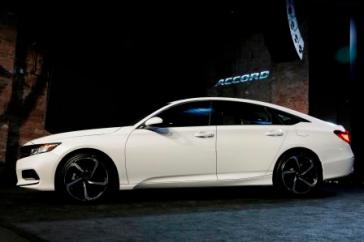
Ratings agencies are projecting slightly increased bond losses for American Honda Finance Co.’s next billion-dollar auto-loan securitization.
VW Credit becomes the seventh lender to offer asset-backed bonds since the Federal Reserve announced TALF backing of prime auto ABS notes to support stimulus efforts for the COVID-19 ravaged market.
Ford Motor Credit has emerged with a new issuance of auto-loan backed securities, joining a select group of prime auto ABS issuers confident in drawing in investors despite a gloomy, pandemic-afflicted outlook for the automotive industry.
Over 236,000 prime and subprime vehicle-loan borrowers received payment deferrals of between 30 and 120 days during the early economic turmoil of the coronavirus pandemic, according to the ratings agency.
The new-issue pipeline of prime auto loans remains open despite the gloomy forecasts for pandemic-related stresses on auto sales and consumer unemployment levels.
Weakening fortunes in the auto industry from the COVID-19 pandemic is prompting elevated loss expectations for a new-issue portfolio of prime automobile loans originated and serviced by Hyundai Capital America.
GM Financial's next auto-loan securitization is expected to have more front-loaded losses due to pandemic-related stresses
American Honda Finance's 78th term securitization has a potential upsizing to $1.62 billion – a similar option the captive-finance lender has taken in recent transactions.
Couldn’t load more articles. Try again.