Bond selloff stalls on report of progress in U.S.-Iran talks
Yields dipped as much as three basis points Monday after Iran's semi-official Tasnim reported that Washington proposed a temporary waiver on Iran oil sanctions.

© 2026 Arizent. All rights reserved.

Yields dipped as much as three basis points Monday after Iran's semi-official Tasnim reported that Washington proposed a temporary waiver on Iran oil sanctions.
The yield on the 10-year has eclipsed 4.48% this year, while the 30-year bond yield surpassed 5.03% on May 4. representing more than 50 and 40 bps jumps, respectively.

Treasury two-year yields rose four basis points to 3.93% as oil climbed after the US and Iran rejected proposals aimed at ending the conflict.

Any decline in Japan's Treasury stockpile may put further upward pressure on U.S. yields, which are already being driven higher by surging oil prices and concern the Iran war will widen America's fiscal deficit.

The Treasury anticipates keeping nominal note and bond sale sizes unchanged "for at least the next several quarters," the department said on Wednesday.

Interest-rate swaps showed traders have priced in about a 70% chance of a Fed rate hike by April 2027. That marked a sea-change from before the Iran conflict.

Hawkish votes against the policy statement, which characterized the risks to the economy as balanced, led traders to price in lower chances of a rate cut at any point before 2028.

Yields across maturities rose by four to six basis points, with short-dated tenors most sensitive to Fed rate changes leading the shift.

When Trump put pressure on the Fed this didn't lead to higher inflation expectations, but to lower Treasury yields, a fall in equity prices, a surge in gold and a weaker dollar.

In testimony Tuesday, Warsh avoided answering questions about the near-term path of interest rates, further supporting the market's wait-and-see stance.

The move followed upbeat signals on consumer spending and the labor market, with both the ADP weekly jobs report and March retail sales beating forecasts.

Gauges of bond swings have declined almost every day since late March, as optimism has grown that the US and Iran are moving toward a agreement to end a month-long conflict.
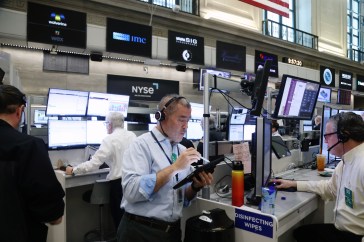
The setback pared a weekly gain for US government bonds sparked by an April 8 ceasefire agreement, which caused oil prices to tumble from near multiyear highs.
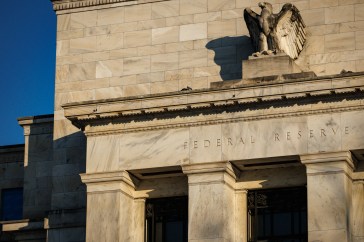
Oil remained lower by more than 10%, but the benchmark two-year Treasury note, erased its gain for the day, to yield about 3.79%.

Treasuries and gilts especially reflect unrealistic expectations that inflationary pressures will goad central banks into another 2022-style rate-hiking cycle.

Interest-rate swaps showed traders wiped out what little remained of their wagers on Fed easing after unexpectedly strong US labor market data were released Friday.

Concerns that inflation pressures will intensify drove the biggest monthly increase in 10-year Treasury yields in March since late 2024.

The $31 trillion US government debt market "has grown far faster than the quantum of bank capital," creating a gap between the supply and demand for liquidity.

The recent shift in focus toward slowing economic growth is easing fears that central banks will need to adopt an aggressively hawkish stance to control inflation.

While the biggest amount of unwinds occurred on March 2, the new positions added since then have broadly signaled short positions, targeting higher Treasury yields.

Couldn’t load more articles. Try again.