Homebuilder costs edge higher, as industry mood sours
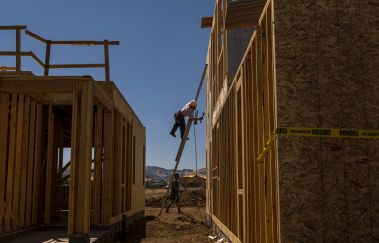
Despite some moderation in overall supply prices, concrete products are running consistently higher.
© 2026 Arizent. All rights reserved.

Despite some moderation in overall supply prices, concrete products are running consistently higher.
When severe weather events occur, they may be powerful enough to destabilize infrastructure or destroy homes. People are resilient, but severe weather can place financial and emotional strain on homeowners. If the frequency and severity of these events continue, it may cause many homeowners to reconsider their housing situation entirely. Get additional insights from a recent Freddie Mac survey.

At the same time, homes bought with FHA-backed loans accounted for the smallest share since 2007, according to an Attom sales report.

Internal migration plays an important role in understanding the ways population shifts are shaping the nation. Which metro areas are the gainers and which are the losers? Will growing markets face high costs, limited space and reverse migration faced by gateway markets? Freddie Mac’s automated underwriting system offers a real-time view into the residential mobility of American homebuyers. Access the research.

New single-family home mortgage applications, housing starts and industry sentiment all came in at their lowest since 2020.
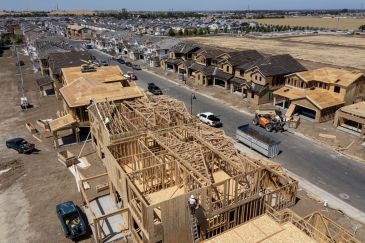
Prices are starting to fall in one of the most expensive cities in the U.S. but they are still much higher than their pre-pandemic levels.

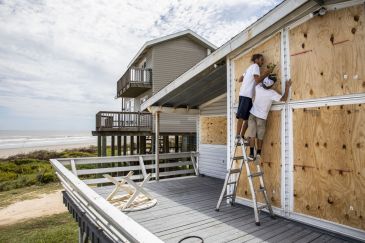
But second home sales — which were below pre-pandemic levels for the first time in 24 months during May — may slow in the future as those in vulnerable areas get tougher to insure.
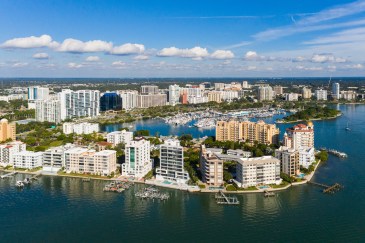
The median prices for the most sought-after metro areas were on average $128,000 lower than in the city the buyer was leaving, Freddie Mac's study of Loan Product Advisor data found.
Industry leaders suggested they’ve "never felt so worried at a time when everything feels so good otherwise," said Chris Herbert, managing director of the Joint Center for Housing Studies of Harvard University.
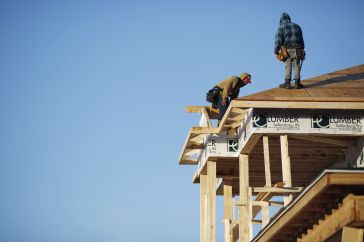
Depreciation risk in parts of New Jersey, Illinois and California is growing, according to a first quarter analysis by Attom Data Solutions.

Lumber prices have wavered, but gypsum, steel and transportation were still on the rise in the past month, according to a National Association of Home Builders analysis.

New-home borrowers eyeing things like rising commuting costs could add at-home amenities instead so long as they remain relatively affordable, one take on a National Association of Home Builders report suggests.

But for prospective buyers, soaring home prices in April pushed affordability closer to the all-time low set in June 2006.

The inventory shortage is beginning to ease, while demand is slowing due to high prices and rising mortgage rates.

Several Sun Belt cities popular for relocation over the last two years were among markets with the most reduced listing prices in April.
A larger share felt it was a bad time for both buying and selling, but a growing number expect price growth to slow.
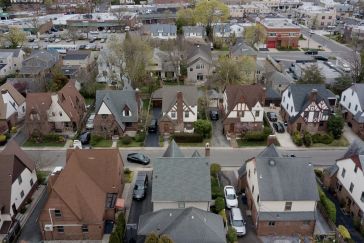
U.S. consumers expect mortgage rates to increase substantially over the next several years, with households on average projecting rates of 6.7% a year from now and 8.2% in three years, according to a survey released by the New York Federal Reserve.
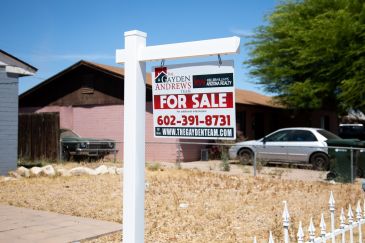
While both refinance and purchase customers were banging down the doors in 2021, leading producers are already working much harder as they change up their offerings.

Suburban pushback against a proposal that would have loosened regulations of new units in New York State led to its removal from the state budget.

Out of all investor group types, those with the deepest pockets — property giants with 100 or more homes — tamped down their spending most at the end of last year, CoreLogic reported.

Couldn’t load more articles. Try again.