Chaos atop CFPB could get worse after appeals court ruling
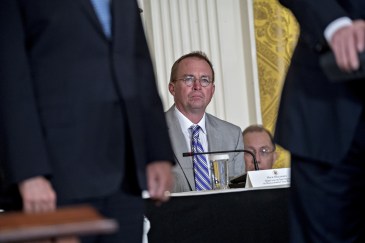
It is still a long shot that a rival of Mick Mulvaney's will be able to reclaim the agency's top job, but judges have raised questions over whether Mulvaney can keep the position.
© 2026 Arizent. All rights reserved.

It is still a long shot that a rival of Mick Mulvaney's will be able to reclaim the agency's top job, but judges have raised questions over whether Mulvaney can keep the position.
Acting Consumer Financial Protection Bureau Director Mick Mulvaney is poised to dismiss its administrative proceeding against the mortgage lender, following a four-year battle over the agency's structure.

Since its inception, the qualified mortgage rule has been synonymous with loans purchased by Fannie Mae and Freddie Mac or guaranteed by government agencies. But a broader QM definition could change that by creating more competitive private-label options.
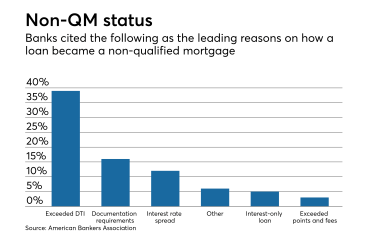
Anticipated changes to the qualified mortgage rule will give lenders more options and force them to rethink their views on risk.
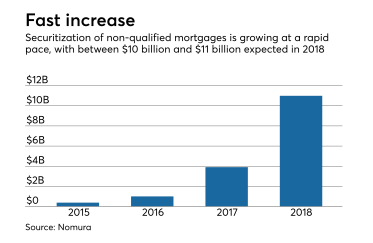
Proposal to revamp 2013 rule appears to home in on larger banks with higher trading volume and ease the requirements for others.
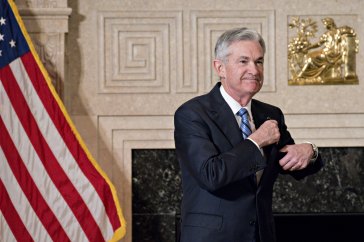
The bill passed by the House took a more cautious approach to relief than prior legislative proposals but has still been hailed by banking industry groups.
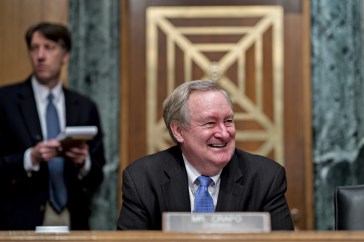
Acting CFPB Director Mick Mulvaney suggested that digital mortgages should be held to different standards than ones originated by credit unions and banks.

A federal appeals court overturned part of the 2010 law’s risk retention rule earlier this year. The legal battle highlights mistakes to be avoided during the next reform fight.
Acting Consumer Financial Protection Bureau Director Mick Mulvaney announced a trio of significant changes to the CFPB.
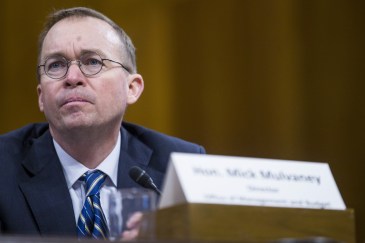
The bill, which also exempts community banks from the trading ban named for former Fed Chairman Paul Volcker, would go a step further than the regulatory relief bill that passed the Senate.
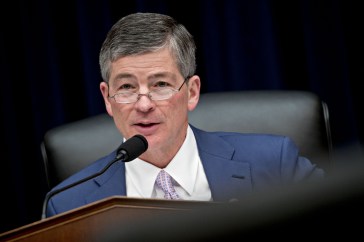
The latest salvo by the acting director of the Consumer Financial Protection Bureau — proposing in the agency's semiannual report that all CFPB rules be subject to congressional approval — left many observers stumped if not outraged.

Acting Consumer Financial Protection Bureau Director Mick Mulvaney proposed dramatic curbs to his agency's power in a report Monday, including a recommendation that all CFPB rules must be approved by Congress.
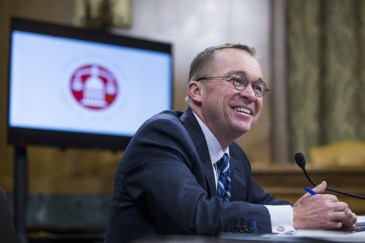
Critics of the Consumer Financial Protection Bureau have long sought to convert its leadership structure from a single director to a five-member commission. Here’s why the idea is dead on arrival.
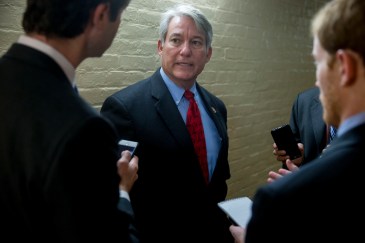
As the agency pulls back its enforcement efforts, it opens the door for state authorities to pursue more cases against financial startups for their data collection and privacy practices.
Former Rep. Barney Frank rejected concerns voiced by other Democrats that a Senate bill rolling back some provisions of the Dodd-Frank Act will fuel another financial crisis.

The Senate is poised to pass the most substantial bank regulatory relief since the crisis, but any disruption of the post-crisis regime is still eclipsed by how much the bill enshrines Dodd-Frank.
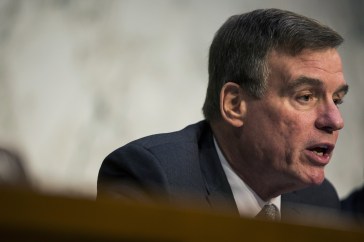
As a bipartisan regulatory relief bill approaches the finish line in the Senate, the House has mostly stood on the sidelines. But no one expects the lower chamber to just rubber-stamp the deal.
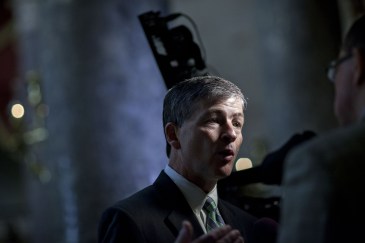
Democratic lawmakers are objecting to acting CFPB Director Mick Mulvaney's decision to strip the fair-lending office of enforcement powers.

The acting head of the Consumer Financial Protection Bureau can utilize "look-backs" of mortgage servicing and underwriting rules to push for significant changes.
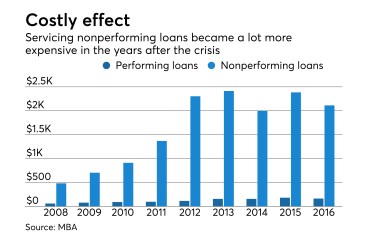
The regulatory relief bill would raise the SIFI threshold to $250 billion of assets and allow mortgages held in portfolio to be counted as "qualified," among other items, but it is far less sweeping than institutions had hoped.
Couldn’t load more articles. Try again.