SEC finalizes Dodd-Frank rule to address ABS conflicts of interest
The decision narrows scope of impacted transactions and participants, to the market's relief.
By
John Hintze

© 2026 Arizent. All rights reserved.

The decision narrows scope of impacted transactions and participants, to the market's relief.
Deals, trends and research in structured finance and asset-backed securities for the week of March 19-25

Brian Brooks, the acting comptroller of the currency, used a selective (and dubious) interpretation of the Dodd-Frank Act to argue for more say on when banks can preempt state law.
As it attempts to craft policy on access to consumers’ financial account information, the agency is wading into a battle between those who want data to flow more freely and those who prioritize security.
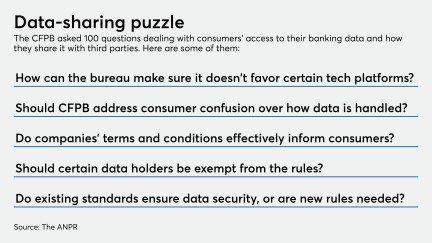
The agency plans to issue an advance notice of proposed rulemaking dealing with efforts by fintechs and data aggregators to leverage a consumer's bank account information.

Policymakers have eased some rules and the Supreme Court recently dealt a blow to the Consumer Financial Protection Bureau. But as the landmark legislation approaches its 10th anniversary, the post-crisis regulatory regime has stayed largely intact.
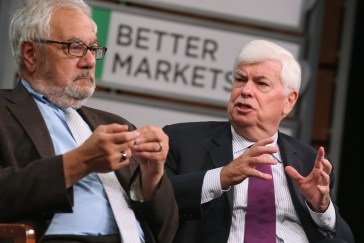
Chris Dodd and Barney Frank said the legislation — nearing its 10th anniversary — put banks in position to be a stabilizing force during the coronavirus crisis.
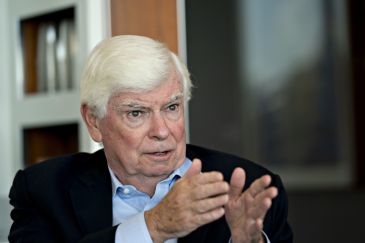
The Supreme Court threw out a key statutory provision concerning the agency’s leadership structure, but the presidential election and possible legislative reforms could bring about more changes to the embattled bureau.
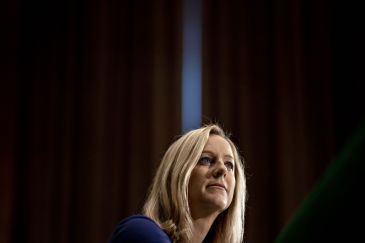
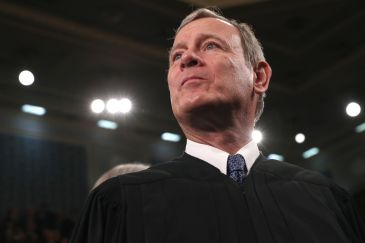
In a split 5-4 decision, the justices gave presidents new power to remove the agency's head at will. The ruling could have far-reaching implications for other regulators with single directors.
Unlike in previous years, the results from two different evaluations will be released simultaneously and will include an assessment of bank capital under coronavirus-related scenarios.
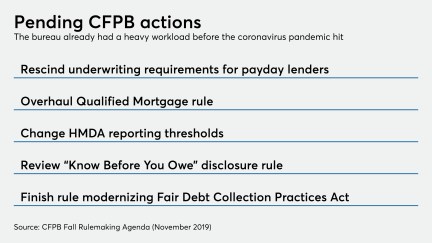
The agency is still moving forward on key regulations dealing with payday lending and mortgage underwriting despite new demands posed by the crisis.
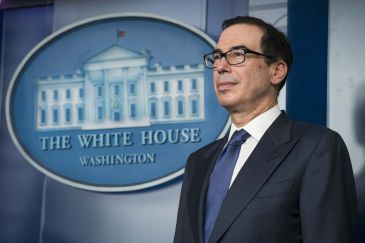
After budget cuts and a strategic transition, the interagency body conceived by Dodd-Frank to identify systemic threats has largely been silent as the pandemic roils the economy.
The central bank's sweeping actions suggest a cash shortage gripping sectors directly hit by the pandemic. Banks were supposed to be protected by Dodd-Frank but are still vulnerable to a funding domino effect.

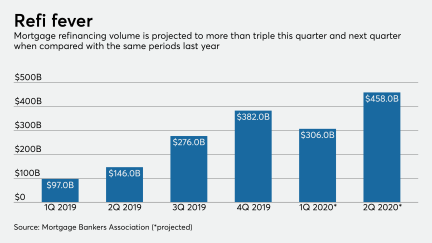
Refinancing activity is surging, existing borrowers are inquiring about loan modifications, loan closings are being delayed by more complex credit checks — and banks are short on people to handle it all.
If banks are unable to weather the economic fallout from the outbreak, calls for more dramatic reforms could get louder.
The agency's effort to engage with lawmakers on a whistleblower award program is one of three initiatives the bureau announced to advance its strategy of preventing consumer harm.
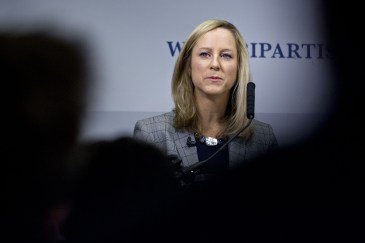
The court’s liberal bloc and Chief Justice John Roberts, who holds a crucial swing vote, appeared reluctant to remove a contentious provision that limits a president’s ability to fire a sitting director of the bureau.
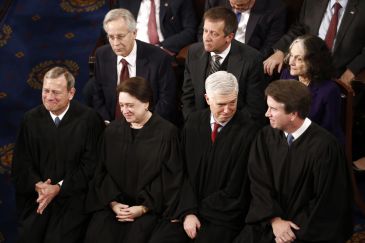
John Roberts could play a familiar role as the swing vote in determining whether the Supreme Court curbs the consumer bureau’s power.
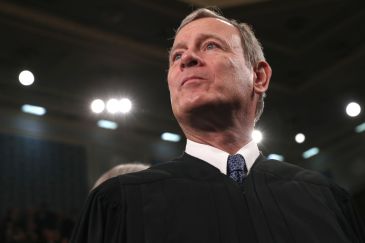
The release of Richard Cordray's retrospective of his tenure will come one day before the Supreme Court hears a pivotal case about the leadership structure of the agency.
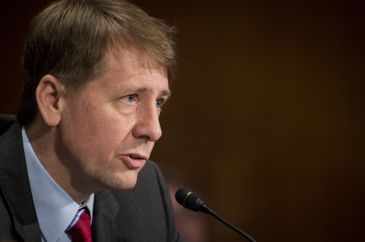
A proposed change could resurrect bond buckets, but loan industry observers also point to "covered fund" changes shielding loans from a potentially disruptive court decision.

Couldn’t load more articles. Try again.