Late payments rise among low-income auto, card borrowers: Report
Even though delinquency rates were previously at extremely low levels, the recent uptick among poorer consumers is worth monitoring, New York Fed researchers said.

© 2026 Arizent. All rights reserved.

Even though delinquency rates were previously at extremely low levels, the recent uptick among poorer consumers is worth monitoring, New York Fed researchers said.
The San Francisco megabank plans to reinstate guidance that drew scrutiny following revelations that women and nonwhite candidates were interviewed for jobs that had been reserved for someone else.
The allegations against the $559 billion-asset bank are similar to those brought against Wells Fargo related to its 2016 fake-accounts scandal.
Internal migration plays an important role in understanding the ways population shifts are shaping the nation. Which metro areas are the gainers and which are the losers? Will growing markets face high costs, limited space and reverse migration faced by gateway markets? Freddie Mac’s automated underwriting system offers a real-time view into the residential mobility of American homebuyers. Access the research.

The McLean, Virginia, company is starting to “trim around the edges” of its auto portfolio, CEO Richard Fairbank said. That move stands in contrast with Capital One's leaning into its credit card business, which helped push marketing spending above $1 billion.

Unlike some of its peers, the Dallas bank says the U.S. economy is strong, clients are upbeat and lending momentum continues.

The latest expense guidance also stems from rising operating losses at the North Carolina bank. Cost-cutting was a key rationale for the 2019 merger of BB&T and SunTrust, which created Truist.

Like other mortgage lenders, the San Francisco megabank has been cutting staff since refinancing volumes started to fall. Additional layoffs are expected over the next couple of quarters, according to the bank’s chief financial officer.
The Tokyo-based company has named Masatoshi Komoriya executive chairman of the board of directors for MUFG Americas Holdings Corp. and its U.S. banking subsidiary. He begins his new role on June 30 while retaining existing executive duties.

This year’s stress-test results show large banks have more than enough capital to deal with a major economic crisis, but their capital requirements will likely go up anyway. That has some observers and industry officials concerned credit will tighten even as the economy teeters on the edge of recession.
Pushes for transparency on charitable donations and ghost guns, among others, were voted down.

Wells Fargo, U.S. Bancorp, Truist Financial and PNC Financial were among the banks that said they are raising their prime lending rates from 4.0% to 4.75%.
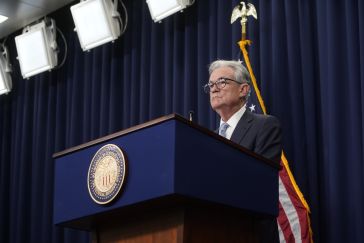
The two regional banks announced plans to abandon nonsufficient fund fees and make other moves that will reduce the revenue they collect from cash-strapped consumers.
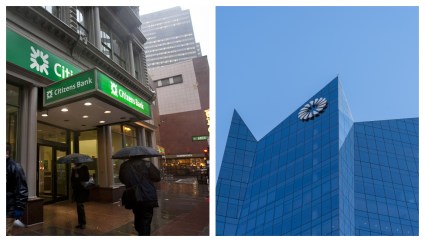
The American Bankers Association’s credit conditions index fell sharply, as economists foresaw dampening loan demand. The weaker outlook lines up with major bank CEOs’ increased worries over a possible recession.

The California tech giant's take on pay-in-four installment loans has a top-of-wallet positioning that banks and merchants are unlikely to be able to match.

An American Bankers Association panel of experts predicted much slower economic growth, but agreed that the U.S. economy will avoid a recession over the next couple of years.

JPMorgan Chase CEO Jamie Dimon expressed even deeper concern Wednesday about the likelihood of an economic downturn than he has in recent months. Wells Fargo CEO Charlie Scharf was less pessimistic, but he still spoke of the “reality that the economy has to slow.”
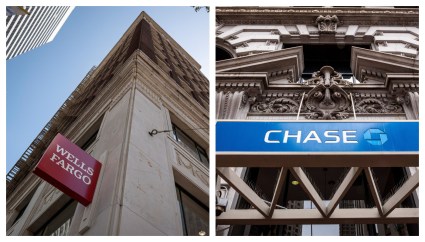
In a letter Tuesday to CEO Charlie Scharf, Senate Banking Committee Chair Sherrod Brown pointed to recent media reports and said he expected Wells Fargo to develop a plan addressing “weaknesses that have plagued the bank for almost a decade.”
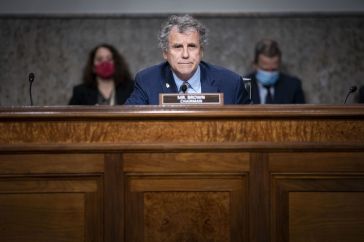
Executives at banks north of the border pointed this week to several potential U.S. economic snags, including inflation, the possibility of a housing market correction and soaring energy prices.
The nation's largest bank indicated Monday that it may again offer home equity lines of credit to a wide audience. Rising mortgage rates have made the product more attractive after a long drought when low rates suppressed demand.

Couldn’t load more articles. Try again.