Will CFPB advisory opinions offer clarity, or give companies a pass?
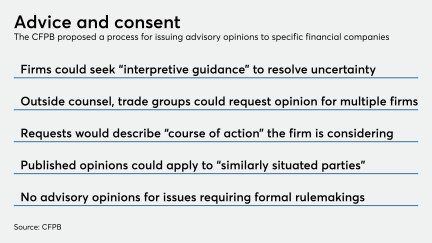
The agency has proposed letting firms seek specific guidance, which can be applied to other institutions. But consumer groups worry the plan circumvents formal rulemaking.
© 2026 Arizent. All rights reserved.

The agency has proposed letting firms seek specific guidance, which can be applied to other institutions. But consumer groups worry the plan circumvents formal rulemaking.
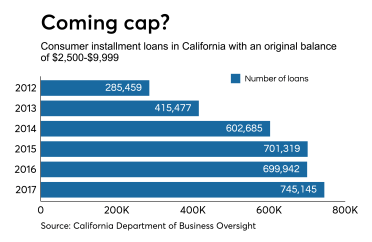
A budget item establishing a new agency to protect consumers from predatory lenders has been put on hold as state officials deal with the coronavirus response and other priorities. But it could be revived in legislative talks later this summer.

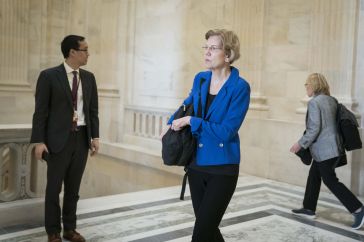
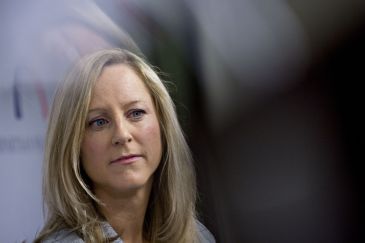
Five Democrats on the Senate Banking Committee sent a letter to Director Kathy Kraninger calling the agency's response to COVID-19 “tepid and ineffectual at best.”
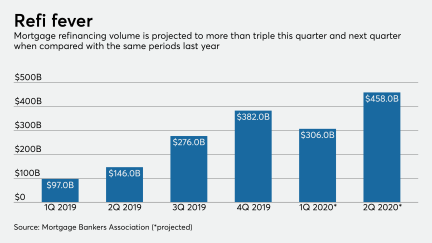
Refinancing activity is surging, existing borrowers are inquiring about loan modifications, loan closings are being delayed by more complex credit checks — and banks are short on people to handle it all.
Debt collectors would have to tell consumers upfront that they cannot sue to recover "time-barred" debt under a proposal issued Friday by the Consumer Financial Protection Bureau.
In the past, the agency cited the legal term in enforcement actions without stating what it meant, but Director Kathy Kraninger has sought to give the industry clearer guidance.
California Gov. Gavin Newsom plans to ask the legislature to revamp the current Department of Business Oversight and rename it the Department of Financial Protection and Innovation, modeled after the federal CFPB.

In an update of its rulemaking agenda, the bureau said it "expects to take final action in April 2020" on a proposal that would rescind strong underwriting requirements.
The industry had welcomed the Consumer Financial Protection Bureau plan allowing debt collectors to use electronic communication, but some worry about the effect of a court decision concerning email correspondence.
The legislation, which passed a key test in the state Senate on Wednesday, is the product of a compromise between consumer advocates and some lenders.
Kathy Kraninger, the bureau's director, is in a standoff with Democrats about her claim that the agency cannot supervise institutions under the Military Lending Act.
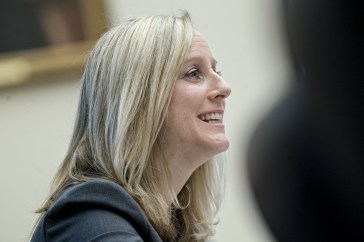
The ranking Democrat on the Senate Banking Committee says he wants answers from the Financial Stability Oversight Council on efforts to address corporate debt risks.
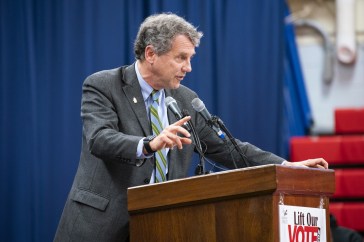
The rule requires disclosure of exact fees but institutions can estimate pricing under an exception that will expire in 2020. The CFPB is seeking comment to prepare for that deadline.
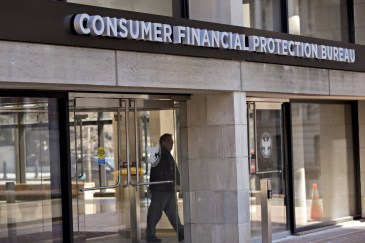
In her first policy speech since being confirmed as the agency's director, Kathy Kraninger promised less focus on enforcement actions and more emphasis on consumer education.
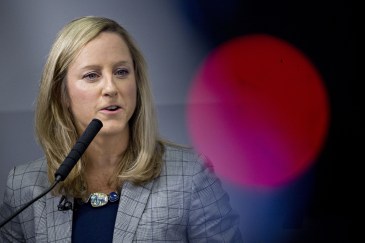
Urfer co-founded a business with the banking automation pioneer John Diebold, worked for Chase Manhattan and other major banks, and played an important role in the Nixon administration, phasing out exchange controls.

Assemblywoman Monique Limon is in the “early stages” of exploring how to create a state-level Consumer Financial Protection Bureau as part of a broader push for more consumer protection for state residents.

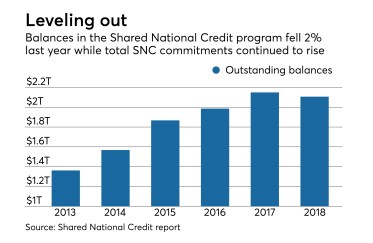
Despite a generally positive picture in the Shared National Credit report, regulators warned that underperforming loans in the portfolio remain elevated.
The holdings demonstrate “resiliency over several credit cycles, with low realized principal losses and robust returns for CLO equity,” managers say.

The legislation, signed Monday by Gov. Rick Scott, authorizes 60- to 90-day loans of up to $1,000. It makes Florida the first state to pass a law designed to blunt the impact of the CFPB’s payday lending rule.
HUD's decision to stop endorsing Property Assessed Clean Energy will have little impact; the widest segment of FHA borrowers "would not qualify anyway."

Couldn’t load more articles. Try again.