Mortgage rates remain low but Fed news signals trend reversal
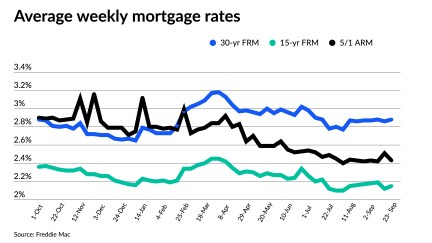
Foreign investment helped offset a slowing domestic recovery, causing few ripples for the week, but economists expect future taper of bond purchases to lead to upward movement.
© 2026 Arizent. All rights reserved.

Foreign investment helped offset a slowing domestic recovery, causing few ripples for the week, but economists expect future taper of bond purchases to lead to upward movement.
COVID-19 concerns, inflation hold back actions that might change current patterns.
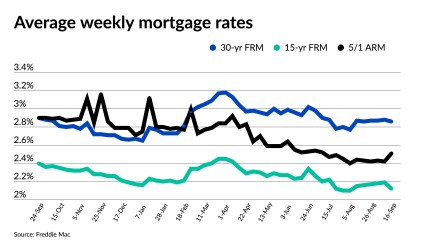
Effects of major economic announcements this summer have had little impact on the lending market, with averages remaining under 3% since July.
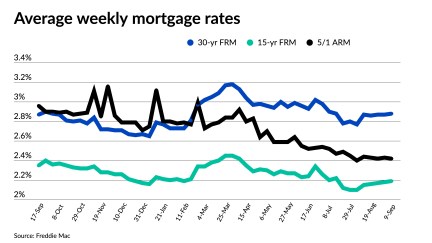
The 30-year average has remained below 3% for two months.
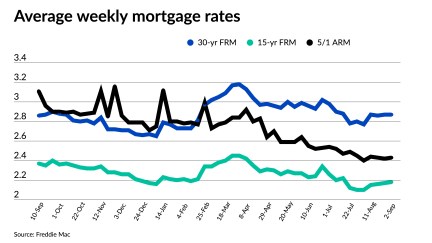
Increasing COVID-19 numbers offset promising economic figures, resulting in minimal changes.
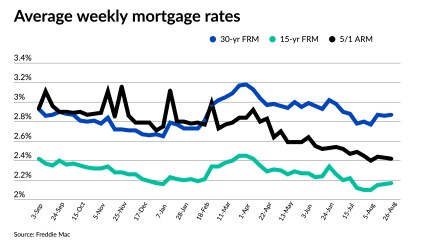
Meanwhile, investors await word from the central bank regarding monetary policy, as limited housing supply continues to drive prices upward.
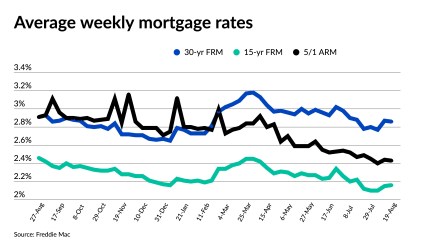
But average loan sizes remain near record highs, with summer purchases of new constructions continuing to drive up prices.
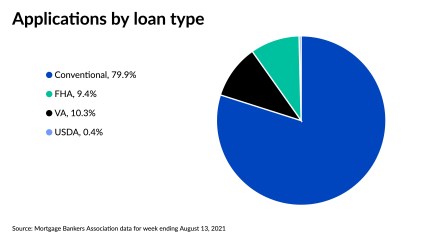
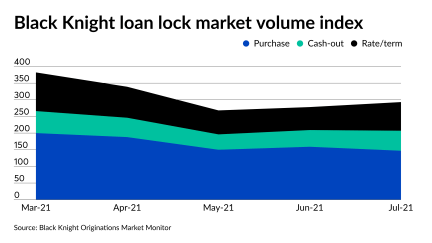
An equal split of refinance and purchase rate locks occurred during July, helped by elimination of the adverse market fee, Black Knight said.
Tight inventory and heightened competition kept prime purchasers at bay as property values continued their summer surge, according to Fannie Mae.
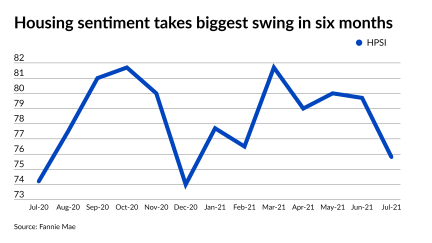
Such applications have declined on an annual basis for the past three months, but overall weekly numbers increased due to a jump in refinances amid plummeting rates.
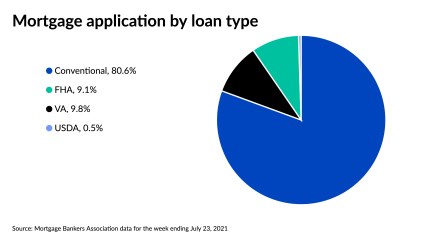
Despite lower numbers, refi applications continued trending strongly, while purchases fell close to lows from more than a year ago.
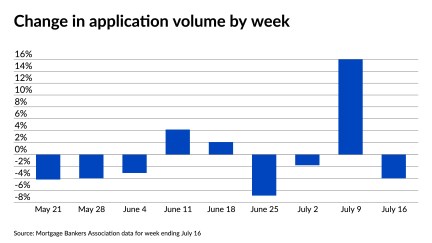
The GSE forecasts $4 trillion in production this year because refinance activity is stronger than expected.
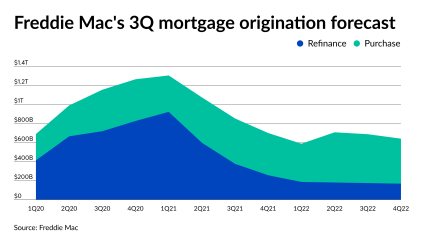
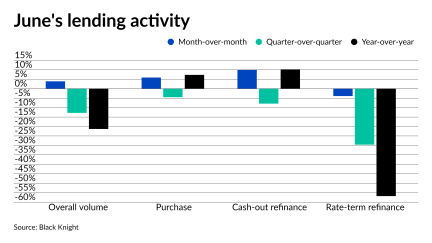
Boosts in purchases and cash-out refinances drove the summer turnaround, according to Black Knight.
Increases in refinances, both in applications and average size, help lead overall numbers higher
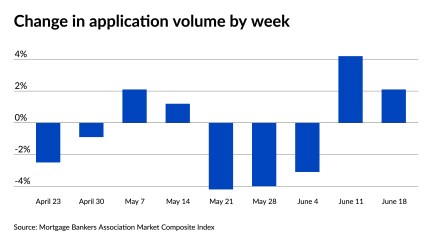
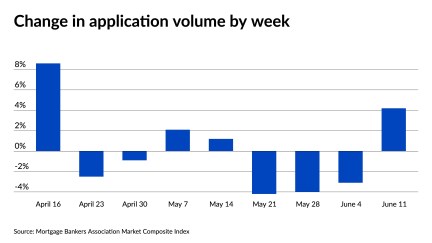
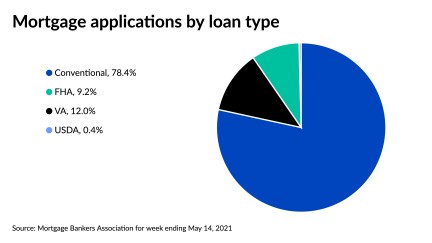
A spike in government-sponsored applications helped lead indexes to their largest gains in several weeks.
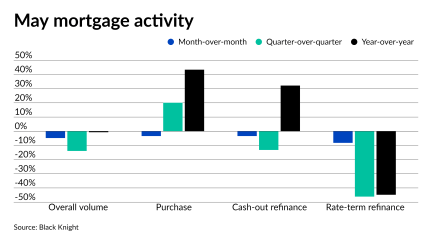
Changed borrower psychology and the severe housing inventory shortage dropped lending activity across the board, according to Black Knight.
Home prices grew at a record annual pace in April but indicators of a possible slowdown popped up in May, Redfin noted.
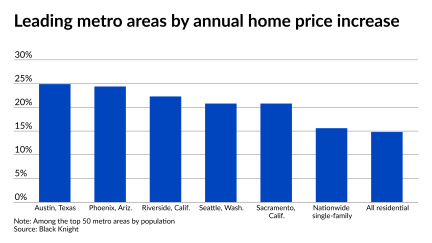
Average loan size also continues to increase, as demand remains high and costs in homebuilding materials rise this year.
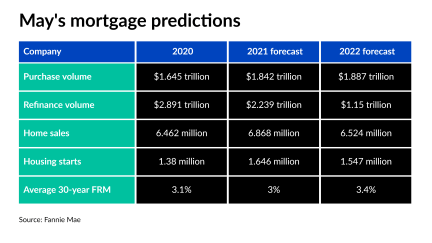
Economic recovery should soar into the summer as vaccination rates climb and restrictions loosen up, but low inventory is likely to limit mortgage activity into the next year, according to Fannie Mae.
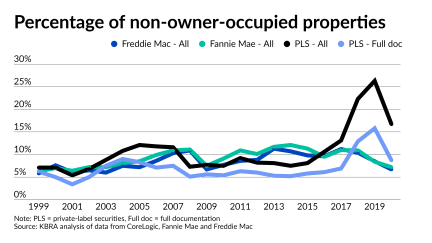
With little transitional disruption, the bigger players on the non-agency side could gain a hefty share of non-owner-occupied mortgage volume as a result of Fannie Mae and Freddie Mac’s caps on such purchases, a KBRA analysis finds.
Couldn’t load more articles. Try again.