Is mortgage credit increasing due to acceptance of higher rates?
Mortgage lenders offered more cash-out refinance programs at a time when consumers might be coming to terms with the rate environment.

© 2026 Arizent. All rights reserved.

Mortgage lenders offered more cash-out refinance programs at a time when consumers might be coming to terms with the rate environment.
In a study posted weeks after it raised concerns about "junk fees," the Consumer Financial Protection Bureau noted that the amount of borrowers paying discount points doubled from 2021 to 2023, with the increase larger among consumers with lower credit scores.

The Midwest was the main driver of the increase in pending sales, with a 10.6% jump, while contract signings in the South edged up 1.1%.

The 30-year fixed rate mortgage, the movements of which have been volatile in recent weeks, is expected to stay in the range of 6.5% for the first half of the year before trending down, Freddie Mac said.
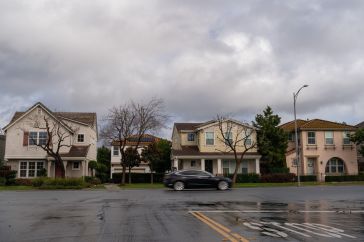
Instability in mortgage rate movements should continue in the weeks ahead, even with Fed Chairman Jerome Powell's comments on inflation.
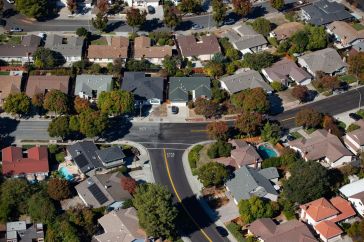
Rates won't fall far enough to drive meaningful mortgage volume gains this year, according to a Fitch Ratings analyst.
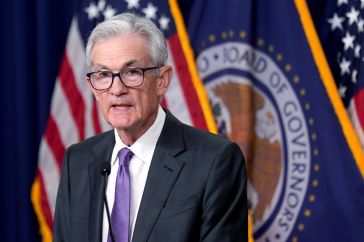
Fannie Mae's latest forecast now predicts rates to be half a percentage point higher, and volume to be $1.5 trillion lower than previously expected in 2024.
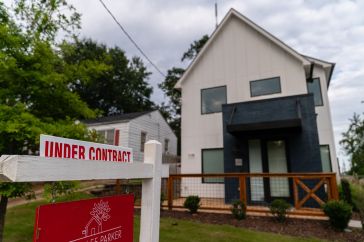
The average 30-year fixed mortgage rate for conforming loans fell, according to Freddie Mac, even as the 10-year Treasury yield rose nearly 18 basis points from the start of this week.

February was the second consecutive month where lenders eased underwriting, although overall availability remains near record low levels, the Mortgage Bankers Association.

The latest inflation news has created concern that the Federal Reserve's pivot on short-term rates could be delayed.
While mortgage volume should rise this year, the government-sponsored enterprise expects slightly less activity than it did back in January.

The 30-year average rate got closer to 7% as central bank officials dashed near-term hopes of a cut, according to Freddie Mac.

For the first time since mid-December, the Freddie Mac survey reports mortgage rates over 6.7%.
January volume increased 36% compared to the month before and the annual decline in activity was the lowest in almost two years, Optimal Blue said.
While the Freddie Mac survey reported just a 1 basis point increase from last week, Zillow's tracker found a 30 basis point rise in the 30-year fixed, more reflective of what happened in the bond market.
As a result, a robust housing market is now on the horizon, Freddie Mac chief economist Sam Khater declared.

A key Senator had urged Fed Chairman Jerome Powell to lower rates early this year, but although there's more consensus on making such a move, it now looks unlikely to happen until after the next meeting.

A potential buyer with a budget of $3,000 per month for their payments is now able to afford an approximately $453,000 home.

Its January forecast reverses the call first made in April 2022 that the U.S. economy would slip into an extended downturn.

For the past week, the benchmark 10-year Treasury closed above 4%, as the markets priced in an increase in the consumer price index.
Couldn’t load more articles. Try again.