Nonbank mortgage group calls for guidance on coronavirus forbearance
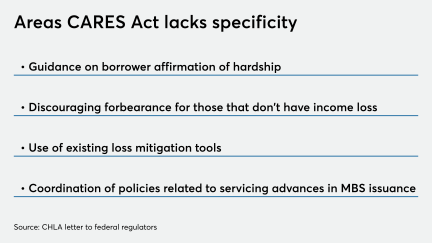
Mortgage servicers need direction from federal agencies on how to implement the forbearance plans called for in the CARES Act, according to the Community Home Lenders Association.
© 2026 Arizent. All rights reserved.

Mortgage servicers need direction from federal agencies on how to implement the forbearance plans called for in the CARES Act, according to the Community Home Lenders Association.
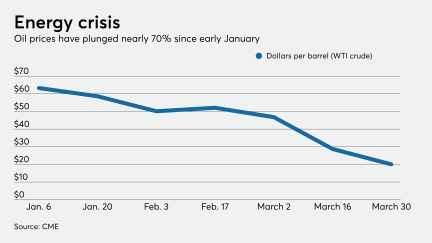
Weak demand for oil and gas, brought on by the economic fallout of the coronavirus outbreak, has raised concerns of energy firms missing loan payments or even going bankrupt. Here’s how banks and regulators are trying to get ahead of potential problems.
The 2008 package proved some banks were too big to fail. But the rushed $2.2 billion stimulus shows now any company can be bailed out.
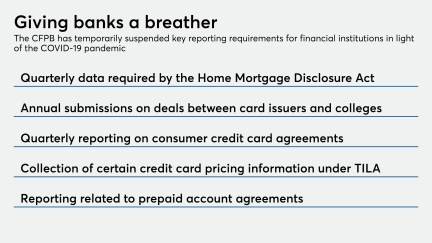
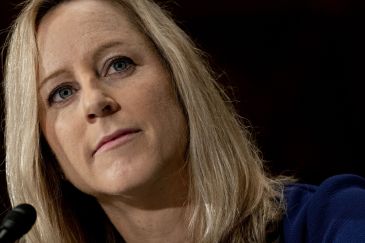
The agency has relaxed some reporting requirements and joined other regulators in encouraging banks to help borrowers, but pressure is building on the bureau to do more to aid consumers suffering financial hardship.
The company once again lowered its outlook for quarterly revenue growth, saying the coronavirus pandemic has led to a sharp decline in cardholders’ overseas spending.

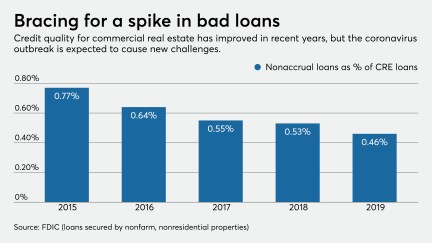
Commercial real estate lenders have to consider not only how they’ll weather the COVID-19 downturn, but whether worker and consumer habits have changed for good.
Some corporations are willing to oblige, turning instead to new, pricier term loans or revolving credit lines rather than tapping existing ones, industry officials say.
Homeowners reeling from coronavirus-induced economic shock are already enduring extremely long wait times while trying to get relief. Legislation passed last week could worsen the logjams.
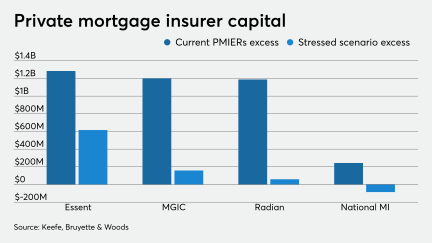
The impending wave of loan delinquencies because of the coronavirus hurt private mortgage insurer earnings, but the companies will still have sufficient capital, a Keefe, Bruyette & Woods report said.
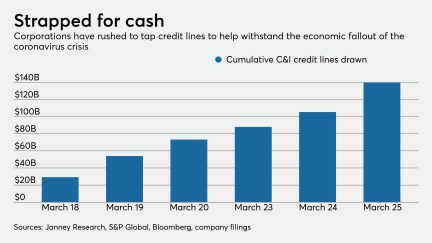
Draw-downs on C&I credit more than quadrupled in a seven-day period ended March 25. Lenders may try to rein them in if the crisis drags out, but legal precedent isn’t on their side.
The reprieve from mortgage data collection was among several changes to the agency’s supervisory and enforcement procedures to help firms responding to the COVID-19 pandemic.
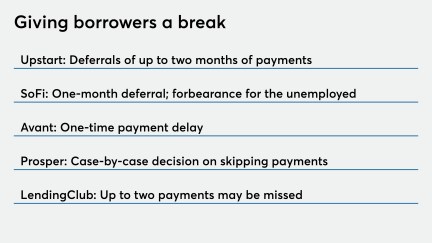
While LendingClub, Prosper, Avant and SoFi are giving existing borrowers breaks in the short term, they're considering tightening credit as the coronavirus outbreak threatens to drag the economy into a recession.
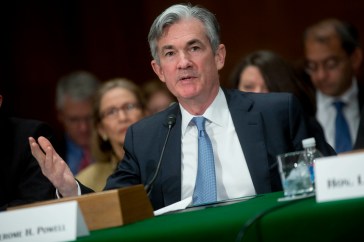
Federal Reserve Chairman Jerome Powell said the central bank will maintain its muscular efforts to support the flow of credit in the U.S. economy as Americans hunker down from the coronavirus pandemic.
While analysts agree banks are in better shape than in 2008, lawmakers are dusting off a crisis-era tool used by the Federal Deposit Insurance Corp. to soothe potential liquidity fears during the coronavirus pandemic.

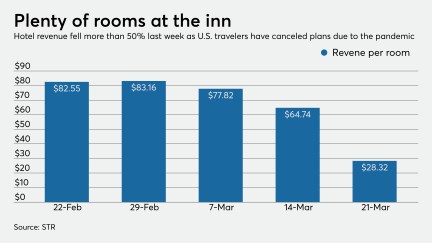
With seven in 10 rooms sitting empty amid the coronavirus outbreak, hotel and banking groups are urging policymakers to open up the Term Asset-Backed Securities Loan Facility.
The $2 trillion deal passed by the Senate late Wednesday would aim to put banks and consumers alike on stronger financial footing as they weather the coronavirus pandemic.
The regulation issued late on Tuesday directs state-regulated financial institutions to give mortgage borrowers at least 90 days of forbearance if they can show financial hardship resulting from the coronavirus pandemic. It also requires banks and credit unions to provide relief on ATM fees and credit card late payment fees.
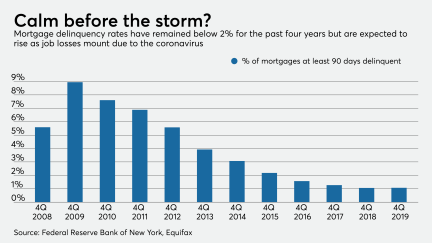
With economists fearing high unemployment stemming from the pandemic, the housing finance system is grappling with how it will recoup lost revenue from delinquencies, forbearance plans and other tremors.

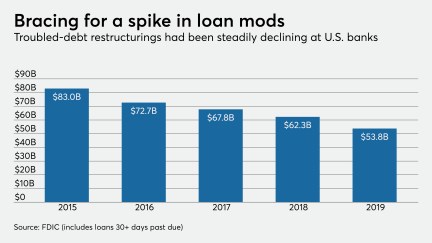
Regulators' decision to delay reporting for troubled-debt restructurings should allow banks and credit unions to be more nimble modifying loans impaired by the coronavirus outbreak.
The central bank's sweeping actions suggest a cash shortage gripping sectors directly hit by the pandemic. Banks were supposed to be protected by Dodd-Frank but are still vulnerable to a funding domino effect.
Couldn’t load more articles. Try again.