Summers sees near 50-50 chance of a recession this year
Summers said a combination of major immigration restrictions, federal government layoffs and damage to US competitiveness from President Donald Trump's tariffs.

© 2026 Arizent. All rights reserved.

Summers said a combination of major immigration restrictions, federal government layoffs and damage to US competitiveness from President Donald Trump's tariffs.
More than two-thirds of the counties most at risk of a housing downturn were concentrated in five states, according to a new report from Attom.

Independent monetary policymakers have resisted President Trump's call to lower financing costs but could find it harder to ignore employment losses.
A March 2025 survey by the National Association for Business Economics shows growing inflation concerns — and a diminishing chance of rate cuts — in 2025, but also optimism about avoiding a recession.

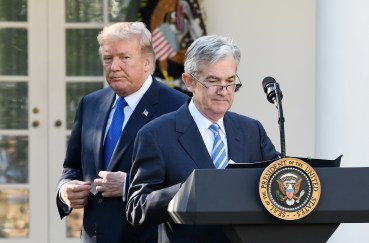
Notably, Trump described the January decision to hold rates steady – which looks set to be the Fed's stance for some time — as "the right thing to do."
The Federal Reserve's preferred inflation index showed little progress toward its target of 2%, increasing the likelihood of a prolonged rate pause.
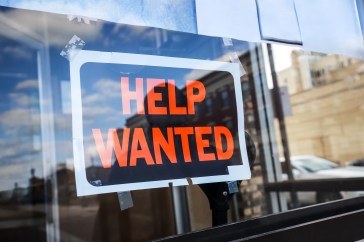
While mortgage employment is lower year-over-year, the mixed bag of data makes it more likely that borrowing rates will remain higher for longer.
The U.S. currency has surged sharply against its major peers since Trump's election on speculation that his tax-cut and tariff plans would fan inflation pressures.

The president's rough-and-tumble trade negotiations have throttled financial markets, causing investors to flock to the safety of dollars and Treasuries. But some economists say this style of policymaking could have hurt the U.S.'s safe haven status in the long run.
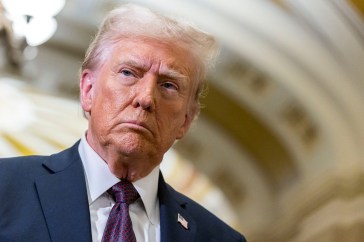
Strong economic growth coupled with a solid labor market allows officials to wait for further evidence of cooling inflation before adjusting rates again. It also offers them time to evaluate President Donald Trump's policies.
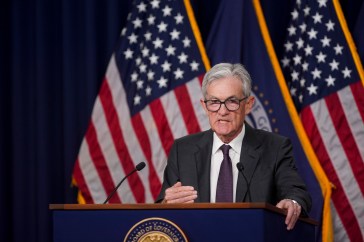
By Tuesday's close, they were back well below the 5% mark, with the 30-year's lower on the day by six basis points to 4.80%.

With the Federal Reserve touting a slower pace of easing, markets are expecting a longer pause. But Gov. Christopher Waller said the next interest rate reduction could come as soon as March because of inflation data.

Wednesday brings the next pivotal data point, with the release of the latest consumer-price figures, which are forecast to show inflation remains sticky.

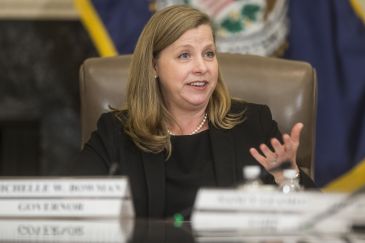
Seen by many as a logical pick for the Federal Reserve's next vice chair for supervision, Gov. Michelle Bowman wants the institution to focus on safety and soundness issues, tailoring and transparency.
The overall price drop was offset by interest payments, allowing a broad gauge of the Treasury market to post a gain of about 0.7% this year through Dec. 30.
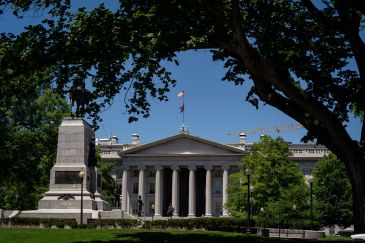
Treasury yields remain near the upper end of their trading range for this year given the limited outlook for further interest rate cuts, along with concerns that rates will remain elevated because of the potentially inflationary policies being proposed by President-elect Donald Trump.

Investors have been demanding additional yield compensation, or term premium, for long-term Treasuries amid signs of sticky inflation.

Analysts are unsure what the Federal Open Market Committee will do with monetary policy in 2025. The panel projects two rate cuts, but some analysts expect more, and others see fewer.

The Federal Reserve is poised to make several key decisions during the year ahead that will impact monetary policy both in the near term and for years to come.
ABS overall should outperform, but risks remain in specific areas

Couldn’t load more articles. Try again.