Hassett sees Fed acting if October inflation data come in high
Hassett was speaking shortly after the latest PCE inflation report showed that core price gains, excluding food and energy, clocked a 3.1% year-on-year pace for September.

© 2026 Arizent. All rights reserved.

Hassett was speaking shortly after the latest PCE inflation report showed that core price gains, excluding food and energy, clocked a 3.1% year-on-year pace for September.
It's the same task the Fed chairman fumbled in July, when investors took a rate hold in stride but balked at Warsh's unwillingness to signal borrowing costs might need to move higher.

Traders were pricing in about a 35% chance the Fed opts for an interest-rate hike later this month after U.S. producer prices rose in September at the fastest pace in more than four years.

Traders priced in a roughly coin-toss probability that the U.S. central bank boosts rates at its October meeting after consumer prices advanced at the fastest pace in five months.

The consumer price index increased 3.7% in September, potentially dashing market hopes that the Federal Reserve might delay raising interest rates later this month.

During the past few weeks the term premium spiked to levels not seen in over a decade and drove the latest leg of the bond selloff that's sent US Treasury yields to a 24-year high.

The global bond market has been hammered in recent weeks as elevated energy prices fueled concerns about faster inflation and further central-bank rate increases.

The declines pushed most US yields higher by 10 basis points in mid-morning trading, with 10- and 30-year benchmark yields near the highest since 2007 and 2004.

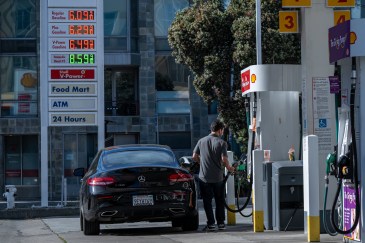
A fresh jump in oil prices on Thursday lifted five- to 30-year Treasury yields to new multiyear highs in choppy U.S. trading, with the 30-year rising as much as seven basis points to 5.47%, its highest since 2004.

The share of American households considered "financially vulnerable" rose to 17%, the highest level since at least 2018, according to the nonprofit Financial Health Network.

The U.S. economy is expected to keep growing despite nagging inflation, according to the latest consensus report from the American Bankers Association's Economic Advisory Committee.

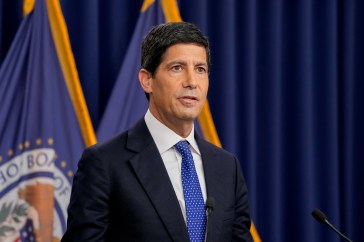
Federal Reserve Chair Kevin Warsh framed the central bank's move to increase interest rates as a moderate adjustment to rapid economic growth during his post-Federal Open Market Committee press conference.
Economists in a recent Bloomberg survey expected policymakers to hold their outlooks for unemployment and inflation largely unchanged.

nterest-rate swaps showed traders ramped up bets on higher benchmark rates in the months ahead, with sticky price pressures seen pushing policymakers led by Fed Chairman Kevin Warsh to act.

The consumer price index rose 0.4% last month, in line with July's reading. For a monetary policy committee that has been split on inflation, the inconclusive report will compel the Fed to make a call on whether to raise interest rates or stay put.
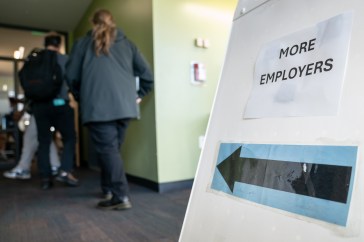
The U.S. economy added 162,000 jobs in August, bouncing back from a surprise decline in July. The Fed's next interest rate decision will still hinge on next week's inflation reading.
Waller said he was "willing to support holding the policy rate at its current level" if inflation continued moving toward the Fed's 2% target.

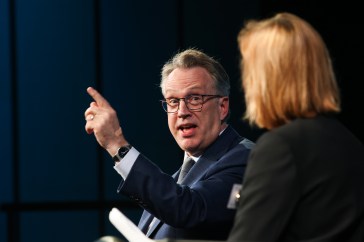
Federal Reserve Bank of New York President John Williams said Wednesday that inflation expectations remain well anchored, suggesting a "wait-and-see" approach for monetary policy.
The move started on Friday after Federal Reserve Chairman Kevin Warsh doubled down on his vow to finally tame inflation, and has extended as energy prices rose on conflicts in the Middle East.

The Bureau of Economic Analysis reported that the personal consumption expenditures, or PCE, price index rose 3.7% from a year earlier, indicating that inflation remains above the Federal Reserve's target.

Couldn’t load more articles. Try again.