JPMorgan, Citi see Fed dealing two half-point rate cuts in 2024
Major banks revamped their forecasts for US monetary policy Friday after data showed the US unemployment rate rose again in July, calling for earlier, bigger or more interest-rate cuts.

© 2026 Arizent. All rights reserved.

Major banks revamped their forecasts for US monetary policy Friday after data showed the US unemployment rate rose again in July, calling for earlier, bigger or more interest-rate cuts.
While home lending employment fell, a stronger-than-expected report on the broader labor market immediately raised concerns about the potential for higher interest rates.
Treasuries fell, extending a selloff in government securities that has rapidly pushed up yields over the past month and threatens to undercut the economy by driving up borrowing costs.

The reduction in employment followed a rise in rates this summer, but hiring has generally been stable since spring.

The May uptick in nonbank housing-finance payrolls came almost entirely from lender hiring as loan broker numbers plateaued and construction demand persisted.
Applications for U.S. unemployment benefits last week rose to the highest since December, suggesting some softening in what's still a tight labor market.

The March estimates for payrolls of nonbanks involved in home lending confirm widespread anecdotal reports of industry layoffs, but strength in broader financial-services hiring could pick up the slack.
In November, employment increased by 1.14 million in the household survey but payrolls rose by just 210,000 in the employers survey, the biggest gap since October 2020.

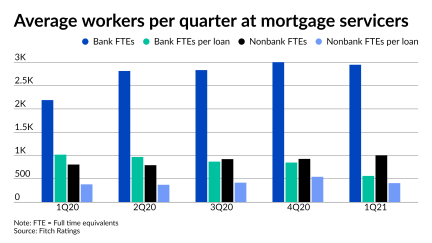
So far companies plan on using roughly the same number of employees as they shift from handling payment suspensions to assessing borrowers who have seen long-term declines in their incomes.