CFPB says Chicago debt collector made bogus threats against consumers
Asset Recovery Associates told borrowers that it could sue them, garnish their wages and place liens against their homes, according to a consent order by the consumer bureau.
© 2026 Arizent. All rights reserved.

Asset Recovery Associates told borrowers that it could sue them, garnish their wages and place liens against their homes, according to a consent order by the consumer bureau.
The Federal Housing Administration updated its lender certification proposal originally issued this past May, as it looks to ease industry concerns on False Claims Act enforcement.

State and federal authorities say the network of firms in upstate New York sought debts that consumers weren't obligated to pay and impersonated government officials, among other things.
The bank regulators extended a moratorium for the proprietary trading ban for certain affiliates of foreign banks by an additional two years.
The CFPB did not file any fair-lending enforcement actions in the 2018 fiscal year and did not refer any Equal Credit Opportunity Act violations to the Department of Justice.
The little-known unit was launched in the wake of efforts by the CFPB and HUD to cut back on fair-lending activities, but the reach of the 10-month-old office is still unclear.
The company intentionally submitted inaccurate borrower information overstating the number of white applicants, the consumer bureau alleges in a consent order.
Kristen Donoghue had been one of the agency's few remaining senior enforcement managers hired by former Director Richard Cordray.
Eric Blankenstein, the CFPB's policy director for supervision, enforcement and fair lending, has been criticized for using a racial slur in blog posts 15 years ago and claiming the majority of hate crimes were hoaxes.
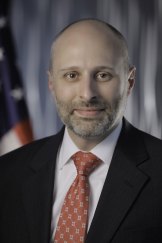
Brian Johnson, a Republican political appointee at the CFPB, has been named the agency's deputy director, the No. 2 job behind Director Kathy Kraninger.
The Department of Financial Services has created a statewide financial protection division focused on corporate compliance and consumer issues, in line with steps taken by New Jersey and Pennsylvania.

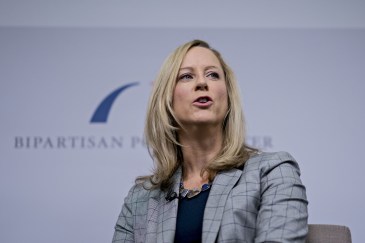
Director Kathy Kraninger said the agency will emphasize a confidential supervisory process instead of just doling out public enforcement actions. But skeptics worry this will let companies escape punishment.
A panel of federal judges determined that Think Finance and an online tribal payday lender must comply with state interest rate and licensing laws.
Under a new policy, a company subject to a civil investigative demand will learn from the agency about what conduct the probe is targeting and what legal provisions the firm may have violated.
In her first policy speech since being confirmed as the agency's director, Kathy Kraninger promised less focus on enforcement actions and more emphasis on consumer education.
The bureau should adopt a clear, consistent framework for determining civil money penalties against financial firms.
Caliber Home Loans settled a grievance with the Massachusetts attorney general over allegations of providing distressed borrowers with unaffordable loan modifications.
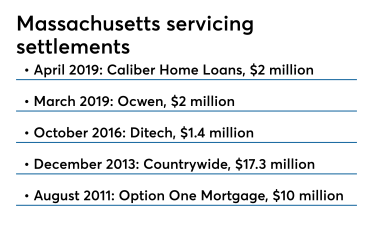
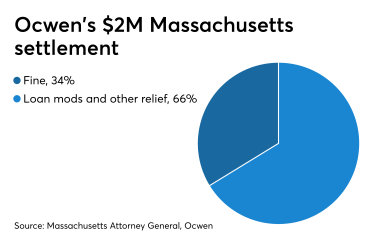
Now that Ocwen settled the servicing practices lawsuit brought by the Massachusetts attorney general, just two outstanding complaints remain from the 30 filed nearly two years ago.
The proposed rollback of underwriting requirements for small-dollar lenders could redefine a legal doctrine that governs rules affecting other companies as well.
The state's financial regulator says Fast Money Loan charged consumers interest rates and fees above the state's usury cap, and operated unlicensed storefronts.
Couldn’t load more articles. Try again.