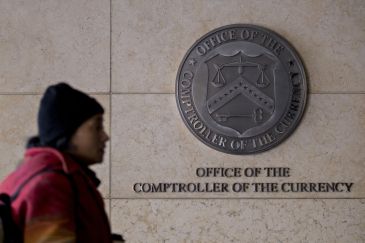
States’ lawsuit alleges OCC rule enables ‘rent-a-bank’ schemes
The complaint filed by New York, California and Illinois argues that the regulation, issued in response to the 2015 Madden decision, undermines state laws intended to protect consumers.
© 2026 Arizent. All rights reserved.

The complaint filed by New York, California and Illinois argues that the regulation, issued in response to the 2015 Madden decision, undermines state laws intended to protect consumers.
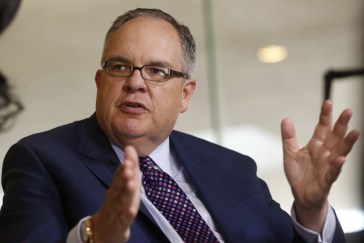
While rival banks reported increases in loans and deposits, thanks largely to their participation in the Paycheck Protection Program, State Street and Bank of New York Mellon saw their balance sheets shrink in the second quarter.
The council created by the Dodd-Frank Act to identify systemic risks launched a review of the market as part of an activities-based approach that shifts focus away from targeting individual firms.
If it’s approved, the charter is expected to lower the fintech’s cost of funds and allow for more product offerings. It comes nearly three years after SoFi pulled the plug on an earlier effort to open an industrial bank.

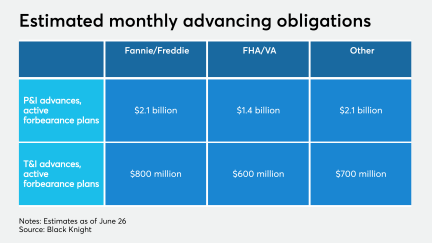
Nonbank servicers have been seeking more sources of cash since the coronavirus disrupted markets and elevated forbearance rates. These are some strategies they may be able to use.
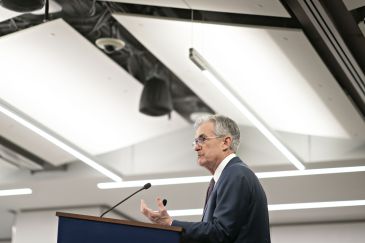
The Fed chairman updated senators about the agency's new credit facility for midsize firms struggling in the pandemic. He also left open the possibility of additional stress tests to gauge the industry’s coronavirus response.
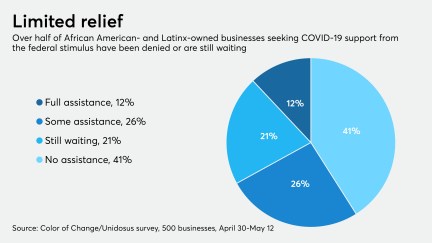
Evidence suggests some minority-owned businesses can’t access loans, and the Trump administration is under pressure to report borrower demographics. The issue is gaining attention against the backdrop of protests over the George Floyd killing.
The new regulation is intended as a workaround for banks affected by the 2015 decision that created legal uncertainty for loans sold across state lines.
Mortgage lenders have imposed steep pricing adjustments for cash-out refinancing as more borrowers seek forbearance.

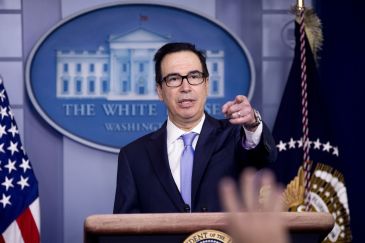
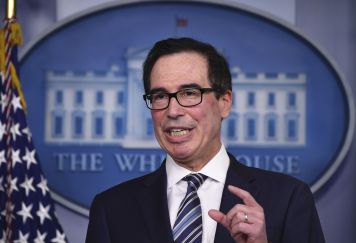
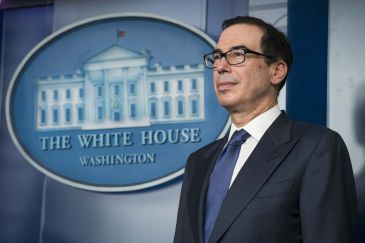
The Treasury secretary said recent government moves will help the firms get through the risk of millions of borrowers missing their loan payments.
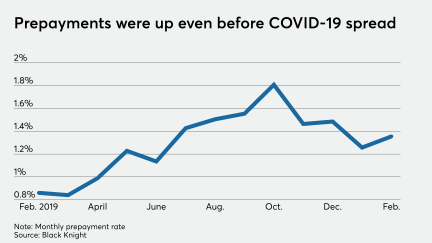
Lenders that split their sales of loans and servicing between two different investors may be facing yet another challenge due to the coronavirus outbreak.
Mark Calabria needs to be working to secure a Fed facility for servicer advances and to support, not denigrate, smaller servicers, the Mortgage Bankers Association said.

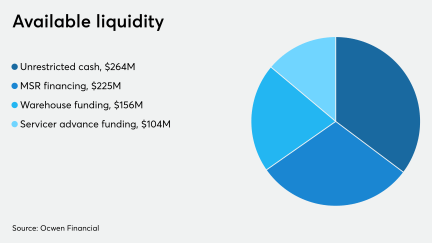
Ocwen Financial has approximately $749 million of liquidity from various sources to deal with servicing issues arising from the coronavirus, a company press release said.
The change — effective immediately — will reduce capital demands by about 2% overall, the Fed estimated, and will be open for a 45-day comment period.

After budget cuts and a strategic transition, the interagency body conceived by Dodd-Frank to identify systemic threats has largely been silent as the pandemic roils the economy.
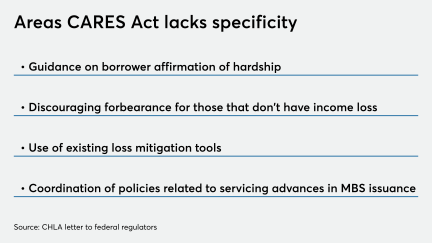
Mortgage servicers need direction from federal agencies on how to implement the forbearance plans called for in the CARES Act, according to the Community Home Lenders Association.
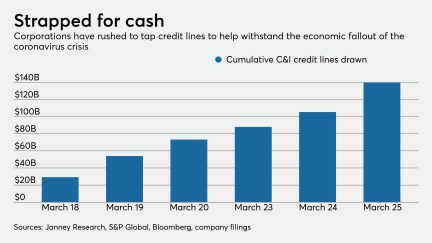
Draw-downs on C&I credit more than quadrupled in a seven-day period ended March 25. Lenders may try to rein them in if the crisis drags out, but legal precedent isn’t on their side.
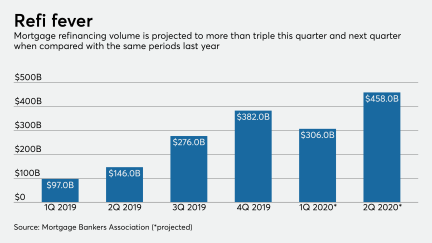
Refinancing activity is surging, existing borrowers are inquiring about loan modifications, loan closings are being delayed by more complex credit checks — and banks are short on people to handle it all.
In signing off on deposit insurance for the payments giant and student loan servicer, the FDIC sanctioned the first new industrial loan companies in over a decade.

If banks are unable to weather the economic fallout from the outbreak, calls for more dramatic reforms could get louder.
Couldn’t load more articles. Try again.