Change Lending loses federal certification for non-QM originations
The lender was accused in a recent lawsuit of failing to meet its obligations to underserved borrowers in lieu of wealthy clients.

© 2026 Arizent. All rights reserved.

The lender was accused in a recent lawsuit of failing to meet its obligations to underserved borrowers in lieu of wealthy clients.
The company in a court filing suggests it has funds available for its unsecured creditors, led by a private equity firm, major banks and a servicer.
The three former Washington Federal Bank for Savings board members were accused of giving the OCC false information in an attempt to hide embezzlement. They could face up to five years in prison for attempting to deceive the OCC.
A Texas judge dealt the Consumer Financial Protection Bureau a setback that has changed the bureau's calculus for furthering its near-term agenda. But an ambitious Supreme Court could also call all of the bureau's final rules into question.
Two bank trade groups have asked the Consumer Financial Protection Bureau to relieve all banks from complying with its small-business lending rule until after the U.S. Supreme Court decides whether the bureau's funding is constitutional.
Churchill Funding is accusing Easy Financial of reneging on a master purchase agreement both companies signed in 2020.

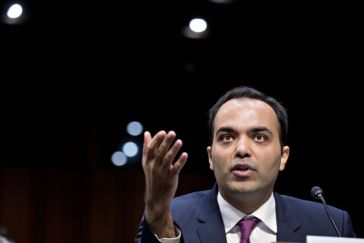
The Consumer Financial Protection Bureau issued only 20 enforcement actions in 2022, but some observers say the enforcement numbers belie the results that director Rohit Chopra is getting from other ways of holding companies accountable.
The case involves a house seized for a tax debt — but the state pocketed the profits.
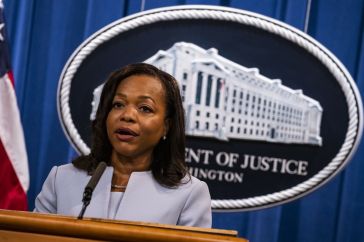
Prosecutors claim every dollar in subsidy funds from settlements equates to ten times the amount in value in home lending efforts.
But attorneys for the small Chicago-based mortgage company remained defiant and actually welcomed the Bureau's move.
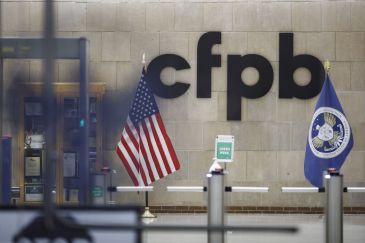
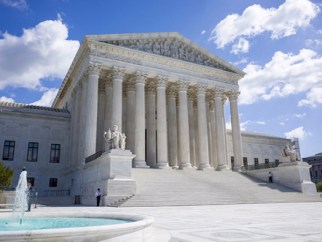
A federal appeals court ruled in favor of the Consumer Financial Protection Bureau, setting up a court split ahead of a highly anticipated Supreme Court hearing in October. The Fifth Circuit previously ruled that the agency's funding mechanism violates the Constitution's separation of powers doctrine.
The Consumer Financial Protection Bureau has asked the high court to overrule a lower-court decision that threatens its funding structure. The justices didn't accept the case on Tuesday, but experts say it could still make the cut in the coming week.
The deal has a $10 million prefunding account that could purchase additional eligible receivables during a three-month period after closing.

Townstone Financial in Chicago had been accused of discriminating against certain consumers by trying to discourage them from applying for home loans. However, a judge ruled that federal law protects only actual applicants.
Northpoint's description of insider wrongdoing as cause for its November security leak is a rare admission of the type of cyberattack a mortgage firm has suffered.

The Consumer Financial Protection Bureau and the state attorney general claim Credit Acceptance Corp., an indirect auto lender, deceived thousands of borrowers by failing to disclose and include finance charges in calculating the cost of a car loan.
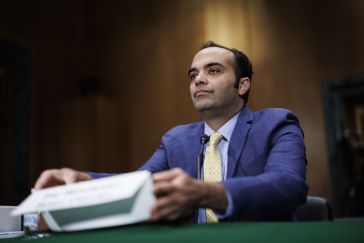
Many experts think the Consumer Financial Protection Bureau's funding through the Federal Reserve could be the fatal flaw in the Dodd-Frank Act that created the agency, but differentiating the CFPB's structure from others may be tricky.
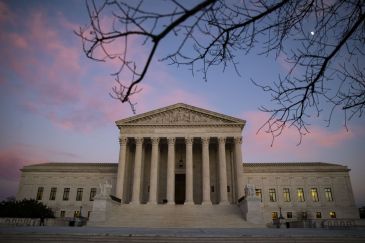
Early next year the 2nd Circuit Court of Appeals is slated to consider whether certain loans are actually securities.

The case involved a customer who was charged $100,000 in legal fees when he tried to pay off a commercial mortgage early. After the borrower waged a nearly decadelong legal fight, a Florida court ordered the bank to reimburse a portion of the fees.
The Consumer Financial Protection Bureau is challenging a recent appeals court decision that its funding through the Federal Reserve Board violates the separation of powers doctrine. That ruling "threatens to inflict immense legal and practical harms" on financial regulation, the CFPB says.
Couldn’t load more articles. Try again.