Einhorn bets against U.S. high yield, investment grade debt
“Rating agencies have been complacent and allowed debt/Ebitda and debt/equity ratios to deteriorate without a corresponding reduction in credit ratings,” Einhorn said in the July 25 letter.

© 2026 Arizent. All rights reserved.

“Rating agencies have been complacent and allowed debt/Ebitda and debt/equity ratios to deteriorate without a corresponding reduction in credit ratings,” Einhorn said in the July 25 letter.
The Democratic presidential candidate argued in a blog post that the U.S. could avoid a recession by canceling most student debt and authorizing regulators to more aggressively monitor leveraged lending.
Banks may be exposed to a shakeout in the $1.3 trillion leveraged-loan market even though they mostly own the safest portions of debt, according to the Bank for International Settlements.
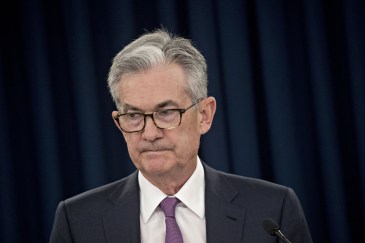
Federal Reserve Chairman Jerome Powell says the agency is closely monitoring leveraged lending risks, but suggests further regulations on banks aren’t warranted.
The U.S. economy is on solid footing except for one potential trouble spot, according to Bank of America Corp.’s Chief Executive Officer Brian Moynihan: leveraged loans — a business the bank has dominated for a decade.

Lawmakers waded into a growing debate about the threat posed by corporate credit risk.
Although higher corporate debt could hurt the economy, Federal Reserve Chair Jerome Powell argued changes made since the last crisis will guard against a meltdown.

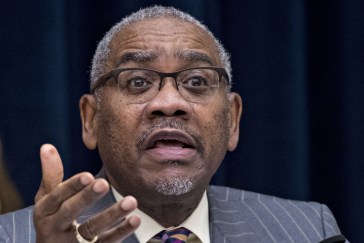
The ranking Democrat on the Senate Banking Committee says he wants answers from the Financial Stability Oversight Council on efforts to address corporate debt risks.

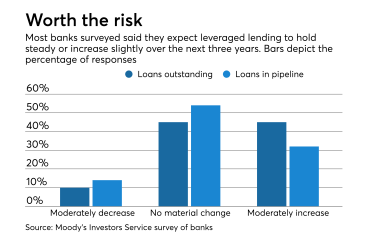
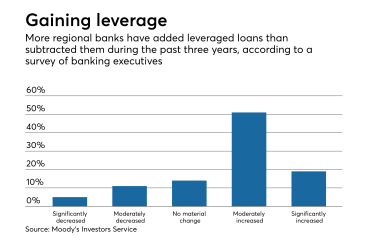
Amid widespread concern about their exposure to leveraged lending, the debt rating agency says banks have sufficient earnings and capital cushions to continue investing in the sector.
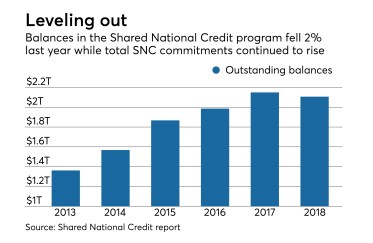
Despite a generally positive picture in the Shared National Credit report, regulators warned that underperforming loans in the portfolio remain elevated.
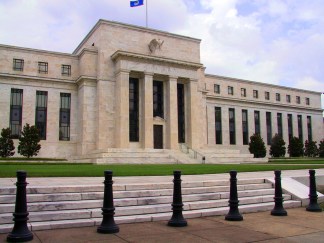
The amount of debt owed by businesses and the valuations of corporations are elevated, creating a growing source of concern, the Federal Reserve said Wednesday.
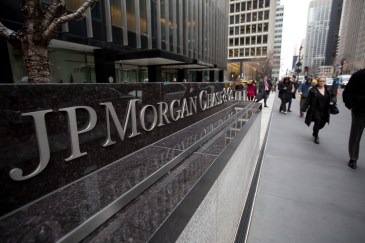
Cracks may be visible in U.S. leveraged loans, but investor concerns about credit are "somewhat overblown," according to JPMorgan Chase.
While they won’t be in position to enact legislation, House Democrats could use their newfound power to spotlight issues that Republicans have largely ignored, including the exploding levels of corporate debt.
The Loan Syndications & Trading Association wants to introduce “delayed compensation” for brokers who have to wait too long to take possession from agent banks.
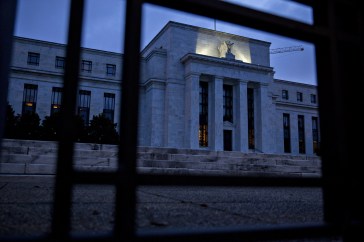
The Federal Reserve is getting more concerned about risks from the leveraged loan market, with a key official saying it's now taking a "closer look" at whether banks are chasing deals without adequately protecting themselves against losses.
The London interbank offered rate has its faults, but at least it compensates for counterparty risk; not so the benchmark being touted as a replacement.

The Los Angeles-based distressed-debt specialist has $20.5 billion in dry powder, including over $8.8 billion in uncommitted capital stored in a dormant opportunities fund.

Only 2.6% of speculative-grade rated firms with public financials carry Moody's weakest liquidity rating, a drastic reduction since March 2016, helped by a recovery in the oil and gas sector.

A GAO determination has effectively nullified a 2013 leveraged lending guidance. But that leaves the future uncertain about what, if anything, regulators will devise to replace it — and how banks should treat such loans in the meantime.
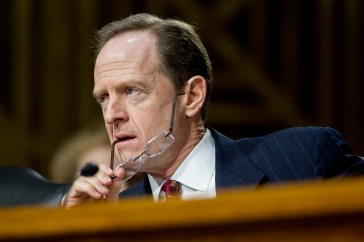
Federal regulators’ 2013 guidance on leveraged lending should have been treated as a rule under the Congressional Review Act – and is now eligible for Congress to repeal, the Government Accountability Office said Thursday.
Couldn’t load more articles. Try again.