Lawyer picked to defend CFPB before high court backs agency structure
The Supreme Court appointed Paul Clement to represent the agency after the bureau’s current director questioned its constitutionality.

© 2026 Arizent. All rights reserved.

The Supreme Court appointed Paul Clement to represent the agency after the bureau’s current director questioned its constitutionality.
The case before the court deals mainly with a statutory clause limiting the president’s ability to fire a CFPB director. But briefs filed with the court say striking that provision does not fully solve the bureau’s constitutional problems.
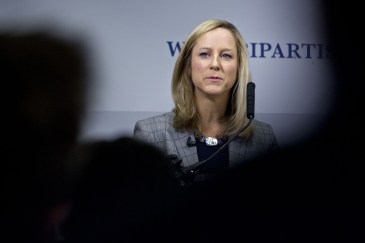
The agency’s director previewed a policy for companies under enforcement action to have their orders terminated if they comply ahead of schedule.
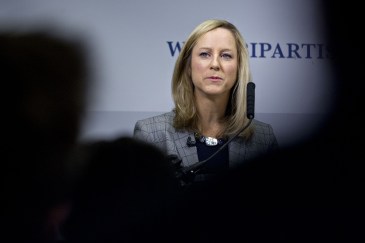
The agency’s director previewed a policy for companies under enforcement action to have their orders terminated if they comply ahead of schedule.
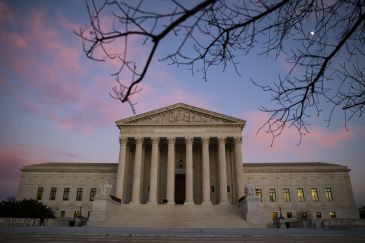
The high court scheduled oral arguments on March 3 in the lawsuit dealing with a president's ability to fire the head of the Consumer Financial Protection Bureau.
Democracy Forward filed the lawsuit Monday against the consumer bureau, Director Kathy Kraninger, the U.S. Department of Education and Education Secretary Betsy DeVos.
The 2015 decision posed new legal challenges for institutions trying to sell loans to third parties, but the federal regulatory agency proposed steps Monday for banks and debt parties to evade state interest rate caps.

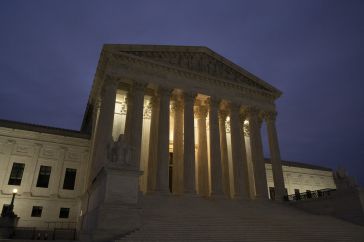
The Supreme Court is ready to weigh in on the CFPB’s leadership structure, but both agencies are facing similar constitutional challenges, suggesting a broader impact of any decision.
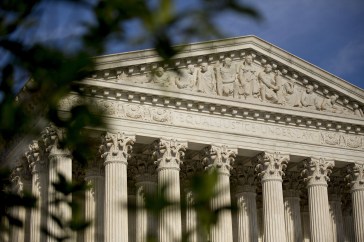
The high court will decide how much latitude a president has to fire the director of an independent agency.
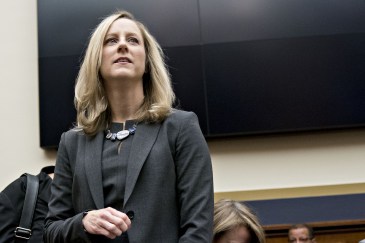
In her second day of congressional testimony, Kathy Kraninger took heat from Senate Democrats for weighing in on constitutional questions about her agency and for her enforcement track record.
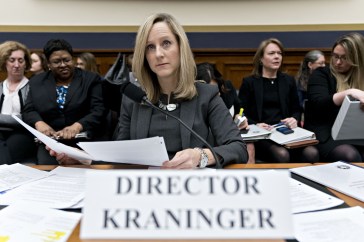
CFPB Director Kathy Kraninger faced a barrage of questions from Democrats on the House Financial Services Committee over why the agency has not demanded refunds for consumers in recent settlements.
A list of upcoming cases published by the high court did not include a challenge to the bureau's constitutionality, but the justices could still decide to review it at a later date.
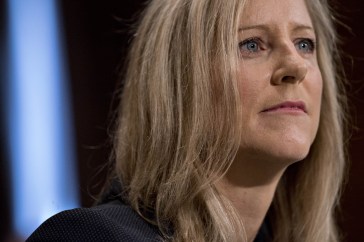
The industry had welcomed the Consumer Financial Protection Bureau plan allowing debt collectors to use electronic communication, but some worry about the effect of a court decision concerning email correspondence.

By declaring that she has too much statutory power, the agency’s director has potentially opened a floodgate of litigation.
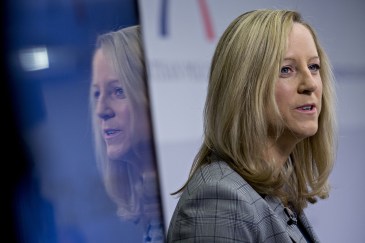
The shareholders' claims against Fannie Mae and Freddie Mac's regulator mirror arguments in cases challenging the Consumer Financial Protection Bureau.
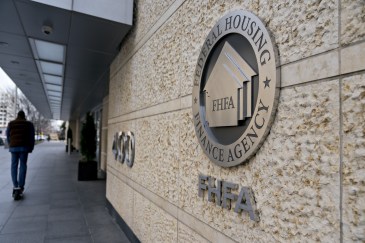
If the court agrees to hear the case, its conservative majority could make it easier for a president to fire a CFPB director, though other outcomes are possible.
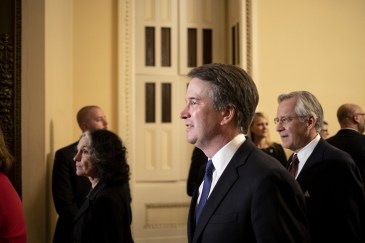
The agency's director told congressional leaders and staff that she backs a Supreme Court challenge to the bureau's leadership structure.
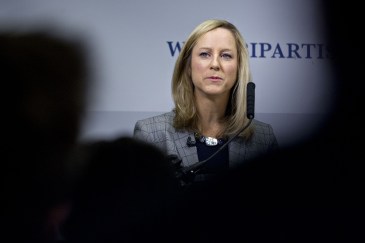
The Supreme Court may be closer to examining a key restraint on a president's ability to change CFPB leadership.
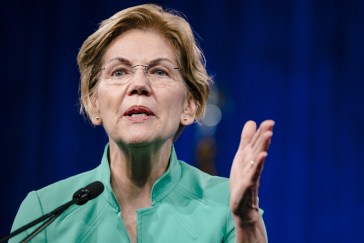
The industry has long worried that the ability-to-repay rule gives borrowers an avenue to fight foreclosure, but one plaintiff’s experience may discourage others from trying.
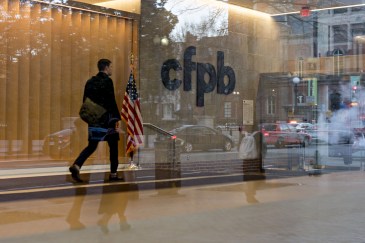
In a unanimous ruling, the court placed new limits on the ability of consumers to sue law firms that handle foreclosures on behalf of mortgage servicers.
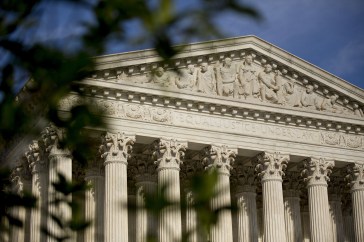
Couldn’t load more articles. Try again.