Nonbank RMBS servicers shift from defaults to portfolio growth: Fitch
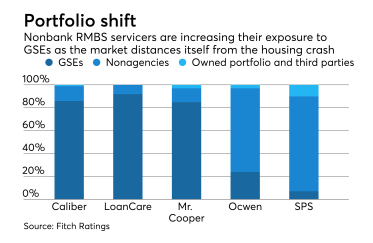
Nonbank mortgage-backed securities servicers increase their exposure to agency loans as the housing market distances itself from last decade's crash, according to Fitch Ratings.
© 2026 Arizent. All rights reserved.

Nonbank mortgage-backed securities servicers increase their exposure to agency loans as the housing market distances itself from last decade's crash, according to Fitch Ratings.
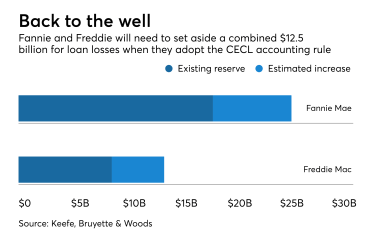
Fannie Mae and Freddie Mac may need to tap into U.S. Treasury funds when they adopt CECL, a new accounting rule that makes companies set aside money upfront for expected loan losses.
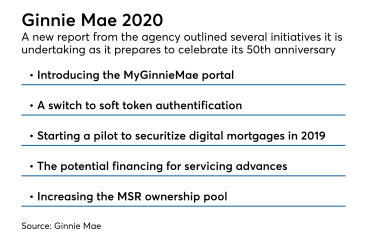
Ginnie Mae is looking to start a pilot program to securitize digital mortgages as early as 2019, but issuers would not be able to commingle loans using traditional paper files in those deals.
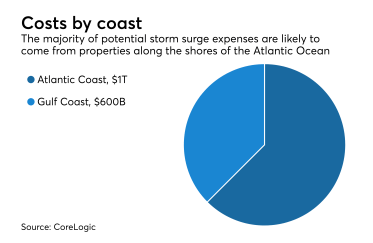
There are almost 7 million coastal homes facing more than $1.6 trillion in potential storm-surge reconstruction expenses this year, representing a 6.6% cost increase from last year's hurricane season.
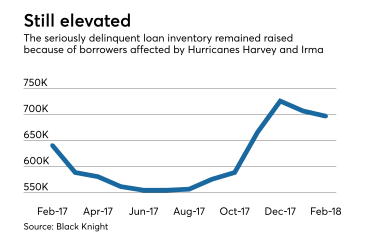
There was a modest decline in hurricane-related delinquent mortgages in February, a sign that there are lingering problems in the affected markets.
A new due diligence firm created by a trio of former Clayton Holdings executives wants to shake up a static business model.

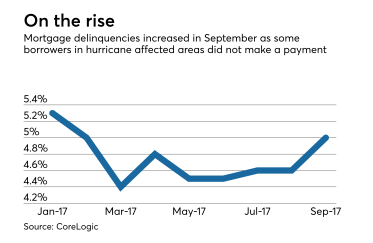
Early-stage mortgage delinquencies had their largest year-over-year gain during September in over eight years, a direct result of Hurricanes Harvey and Irma.
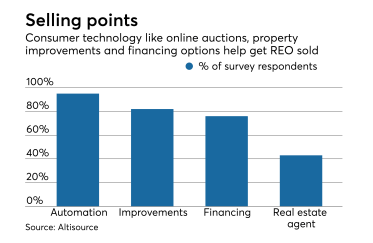
The vast majority of default servicing professionals are investing in "significant" REO property improvements to increase resale values in a hot housing market.
The loans are part of a €1.8 billion bad-loan purchase that Mars Capital, an Oaktree "vulture fund," made of high-risk mortgages from Irish banking authorities in 2014.

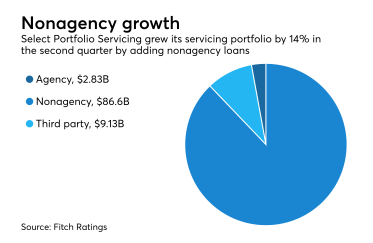
Select Portfolio Servicing grew its mortgage servicing rights portfolio by over 14% in the second quarter by targeting opportunities in the nonagency loan market.
The transaction would be the third under Freddie's Seasoned Loan Structured Transaction (SLST) program.

Fannie Mae and Freddie Mac will adjust their risk-sharing deals so that they can accommodate high loan-to-value loans refinanced under the programs replacing the Home Affordable Refinance Program.