May PCE inflation rises to 2.3%, supports Fed caution
The Federal Reserve's preferred measure of inflation moved further from its 2% target, underscoring the central bank's reluctance to cut rates.

© 2026 Arizent. All rights reserved.

The Federal Reserve's preferred measure of inflation moved further from its 2% target, underscoring the central bank's reluctance to cut rates.
Consumer spending and exports fell slightly in the latest estimate, leading to a downward revision. Imports, which dragged down overall output during the first three months of the year, also came in smaller.
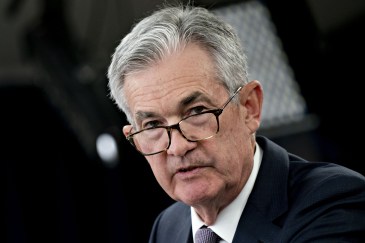
Some allies of the president have pushed for Treasury Secretary Scott Bessent to get the job, according to people familiar with the matter, a notion that a senior administration official disputed.

Fiscal uncertainty in the US and the fact that Treasury yields aren't high enough to reflect the risk of holding them is making the securities less attractive.

The Federal Reserve, Federal Deposit Insurance Corp. and the Office of the Comptroller of the Currency are focusing on what's known as the enhanced supplementary leverage ratio.

Investors have grown more wary of lending to the US government for such a long time, and have demanded higher yields as a result, increasing a cushion known as the term premium.

The government measure of inflation for May ticked up modestly, adding to the signals that the Federal Reserve is unlikely to move on interest rates when it meets next month.

Markets are currently wagering the US central bank will cut interest-rates once more with around a 70% chance of a second move this year.

The U.S. economy added 139,000 jobs, a healthy clip that counters the president's calls for a rate cut to bolster the labor market.

The Treasury market experienced unexpected volatility in April after President Trump announced sweeping tariffs, but recovered after the moves were delayed. Some see that as proof of resilience in the market, but others say it highlights vulnerabilities.
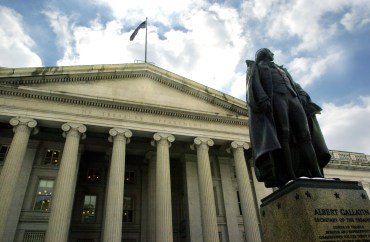
This might deeply disappoint Wall Street investors who've been counting on a windfall if Fannie and Freddie are set free.

Federal Reserve Gov. Christopher Waller said changes to the Federal Open Market Committee's quarterly economic projections could lead to clearer communication with markets and market participants.

The Federal Reserve's preferred measure of inflation moved closer to the 2% target last month, but the impact of tariffs remains to be seen.

The strategy, which focuses on non-bank lending to sectors such as residential mortgages, credit cards and auto loans, has been a key plank of the bond giant's push into private lending.
Tariff uncertainty could boost lender leverage to incorporate protection against LME proliferation

Hedge funds and other investors have called for the government to release the two entities from conservatorship, which could provide a windfall for shareholders.

Early signs are emerging that Trump-induced dollar volatility, inflated Treasury yields and fears about the country's debt burden are fueling a gradual reweighting toward the Old Continent.

The nation's largest bank is optimistic about its overall performance this year, but CEO Jamie Dimon still thinks there's a bigger chance of stagflation than markets are anticipating.
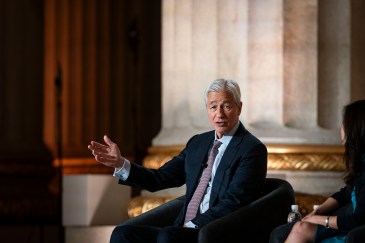
Moody's announced Friday evening it was downgrading the US to Aa1 from Aaa, reinforcing Wall Street's growing worries over the nation's fiscal outlook as Capitol Hill debates even more unfunded tax cuts.
The president said Treasury Secretary Scott Bessent and Commerce Secretary Howard Lutnick "will be sending letters out essentially telling people" what "they'll be paying to do business in the United States."

Couldn’t load more articles. Try again.