Opinion No, CLOs will not cause the next banking crisis
An article in The Atlantic warning that collateralized loan obligations will be banks’ next downfall overestimates the risk of these securities.
The fixed-rate loans from Earnest involve refinancings to advanced degree professionals who have greater financial means to make payments despite the economic disruption caused by the COVID-19 pandemic.
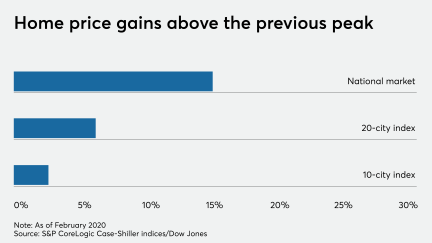
The S&P CoreLogic Case-Shiller home price index hasn't yet reflected the impact of the coronavirus, but an independent market maker has some thoughts on how it might.
Veteran debt and equity analyst David Walker steer investment research for CIFC's $26 billion of assets under management, most of which are in long-term vehicles.
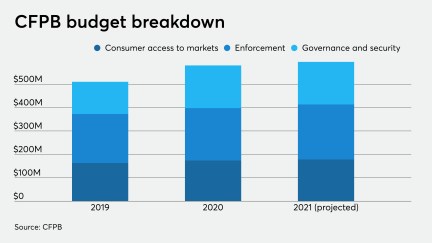
The Trump administration proposes cutting personnel and other budgetary items at the bureau, while the agency’s director — who controls the purse strings and was hand-picked by the administration — aims to boost spending and hire more employees.
The two agencies said they will exchange student loan complaint data after their information-sharing efforts had been in limbo for over two years.
The state retirement system is looking to dedicate one of every six dollars it manages to direct lending – more than five times the industry average.
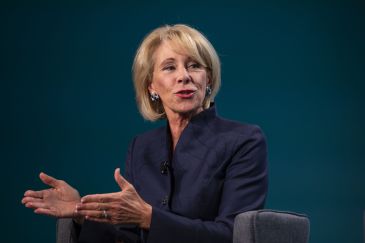
Democracy Forward filed the lawsuit Monday against the consumer bureau, Director Kathy Kraninger, the U.S. Department of Education and Education Secretary Betsy DeVos.
Banks and lenders have made inroads in analytics and automation with machine-learning technology. Will asset management follow suit?
Banks like RBC and JPMorgan Chase can now more easily draw real-time FactSet data feeds into applications.
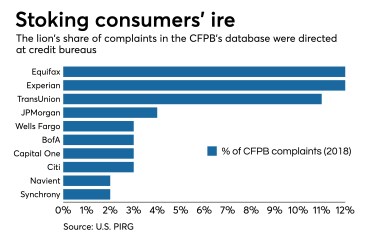
Regulators have long warned the credit bureaus about deceptive marketing that causes consumers to sign up unwittingly for paid monitoring services. But the practice has persisted, according to complaint data.
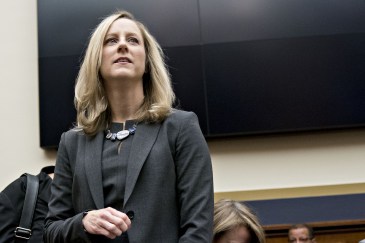
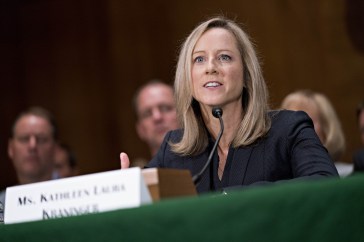
In her second day of congressional testimony, Kathy Kraninger took heat from Senate Democrats for weighing in on constitutional questions about her agency and for her enforcement track record.
The IACPM's quarterly global outlook survey on credit conditions indicate rising expectations for wider spreads and higher default levels, centered on troubles in the speculative-grade market.
The idea of forgiving student debt has gained traction in the Democratic presidential debates. Undiscussed so far: the significant impact any program could have on the roughly $175 billion of securities backed by student loans.
In her first four and a half months, Kathy Kraninger met with lawmakers more than twice as often as her predecessor, but her schedule demonstrates willingness to meet with industry and policy stakeholders from various camps.
Although higher corporate debt could hurt the economy, Federal Reserve Chair Jerome Powell argued changes made since the last crisis will guard against a meltdown.
Democratic presidential candidate Elizabeth Warren proposed eliminating student-loan debt for an estimated 42 million Americans with a wealth tax
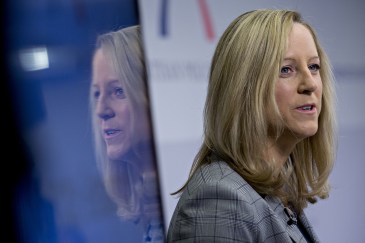
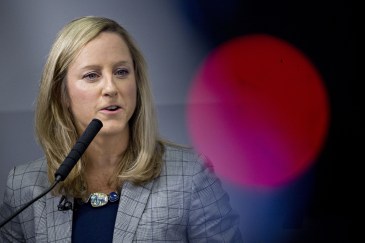
In her first policy speech since being confirmed as the agency's director, Kathy Kraninger promised less focus on enforcement actions and more emphasis on consumer education.
The lawmakers are questioning the agency about its oversight of student loan servicers involved in a federal loan forgiveness program.
The bureau's director, Kathy Kraninger, faced a barrage of criticism from Senate Democrats on the agency's lack of enforcement actions, a reversal on Military Lending Act examinations and changes to the payday loans rule.
Couldn’t load more articles. Try again.