UBS, Credit Suisse pact stabilizes key source of mortgage financing
The government-backed acquisition heads off regulatory and financial concerns at a Swiss bank that could have affected overseas financial institutions that U.S. lenders count on.

© 2026 Arizent. All rights reserved.

The government-backed acquisition heads off regulatory and financial concerns at a Swiss bank that could have affected overseas financial institutions that U.S. lenders count on.
SVB, First Republic and PacWest play a variety of roles in several RMBS, but structural protections are walling off the deals from current tremors in the banking sector.

The Federal Deposit Insurance Corp. says it has extended the deadline for bids on Silicon Valley Bank, will break the bank into two parts for sale and will allow nonbanks to bid on asset portfolios.

As it turns out, the plan was designed to buy time for the financial regulator Finma and the Swiss National Bank to secure a sale — not for Credit Suisse to rescue itself.

Institutions can borrow against par-valued securities that they would otherwise have to sell at a loss when there's a run on deposits, and it could have effectiveness beyond its actual usage.
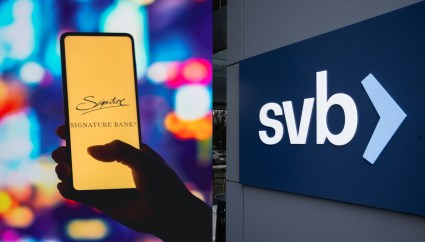
The high-stakes acquisitions of 2008 and subsequent legal liabilities have sapped enthusiasm from many prospective buyers for Silicon Valley and Signature Banks. The Federal Deposit Insurance Corp. may end up having to sell assets piece by piece.

The failures of Signature Bank and Silicon Valley Bank have already rocked mortgage rates but aren't expected to rattle lines of credit provided by depositories, home lenders say.
Regulators saved lenders from a proliferation of banking issues in response to Silicon Valley Bank's collapse—and cemented the virtues of the borrow-lend strategy of CLOs.

The system of 11 regional banks issued a combined $137 billion of bonds and discount notes on Tuesday and Wednesday, after selling $112 billion on Monday, the largest single day of issuance in its 90-year history.

Both 30- and 15-year averages dropped for the first time in six weeks, as investors flocked to safety of 10-year Treasuries.

Other mortgage players this week have distanced themselves from the banking chaos with statements disclosing that they had no relationships with the failed companies.

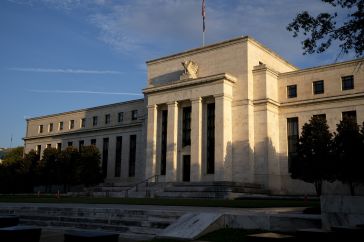
After the failure of two banks between $100 billion and $250 billion of assets, many are asking regulators to change their oversight practices for these banks. The Fed has a wide berth to make a wide array of changes.
Mortgage-backed securities aren't generally considered risky assets, but how SVB managed them contributed to its woes.

A $13.5 billion advance to Silicon Valley Bank months before its collapse is another sign that the Home Loan banks encourage risk-taking that can burden the Federal Deposit Insurance Corp. or even the system itself, critics say.