Mortgage rates might move higher than two-decade peak
While some observers believe that by year-end, the 30-year FRM would be lower than current levels, chatter about an 8% mortgage exists.
© 2026 Arizent. All rights reserved.

While some observers believe that by year-end, the 30-year FRM would be lower than current levels, chatter about an 8% mortgage exists.
Public policy experts debated the effect of rising rates on the mortgage market, the impact on homebuyers and ways that Fannie Mae and Freddie Mac could exit conservatorship at the National Mortgage News Digital Mortgage Conference.

Even as Freddie Mac's survey put rates at their highest since December 2000, factors like rising oil prices and a government shutdown could slow the economy.
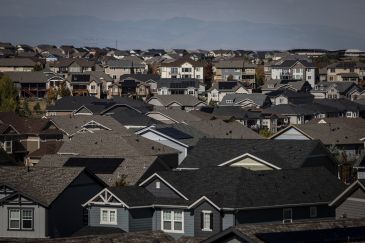
High mortgage rates and the lack of inventory for sale pushed the sector into a downturn twice recently – between May and November last year and in May of 2023 – according to First American
Even though the average for the 30-year fixed loan declined for the second straight week, a buoyant economy will affect future movements, Freddie Mac said.
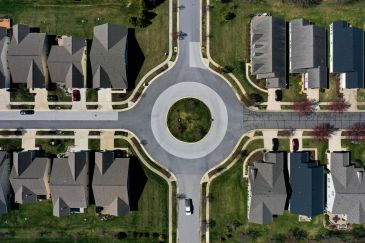
The average for a 30-year home loan marked the fourth straight week of increases, according to Freddie Mac.
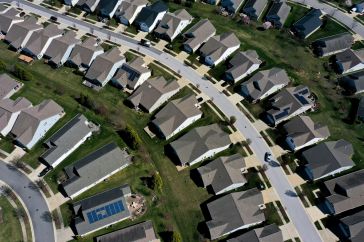
With prices continuing to increase and the conforming 30-year mortgage rising above 7% in July, the purchase market is in a holding pattern, Black Knight said.
Product availability for July remained at levels last seen in 2013 as rates briefly broke above the 7% mark during the month, the Mortgage Bankers Association said.

But a Zillow economist argues that there's plenty of evidence suggesting strong GDP and job growth had more to do with the increase than what Fitch did.
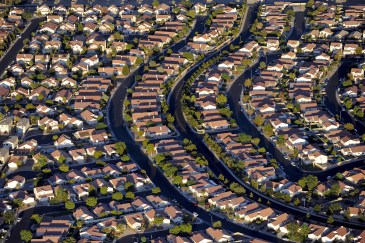
There's divergence of opinions between one more rate hike this cycle and no further actions.
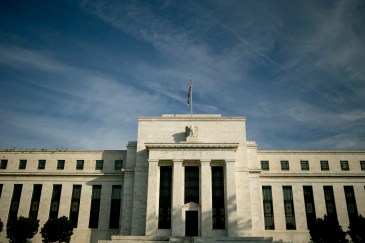
The 30-year fixed, which was threatening going above 7% again according to Freddie Mac data, was 18 basis points lower this week.
However, both Zillow's and Optimal Blue put the 30-year fixed mortgage lower than where it was seven days prior.

The May uptick in nonbank housing-finance payrolls came almost entirely from lender hiring as loan broker numbers plateaued and construction demand persisted.
A resilient U.S. economy, lingering inflation and comments from the Federal Reserve contributed to a 10-basis-point hike in the 30-year fixed rate, Freddie Mac said.

The markets had a muted reaction to the Federal Open Market Committee pause on raising short-term rates a week ago, Freddie Mac found.
But the Mortgage Bankers Association also raised the dollar volume that it predicts the purchase market will originate this year.
Monetary policy officials have finally gone a month without tightening but made it clear more action could lie ahead, suggesting it could be awhile before housing finance costs consistently fall.
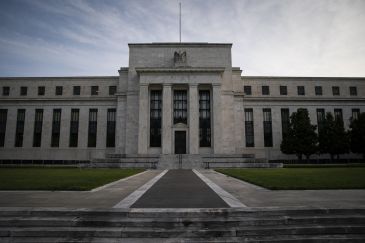
But activity is still very low, as just 1% of the market is in the position to refinance thanks to high interest rates, Keefe, Bruyette & Woods said.

A change in investor sentiment toward an expected pause by the Fed in short-term rate hikes was the driving force behind the current surge, Freddie Mac said.
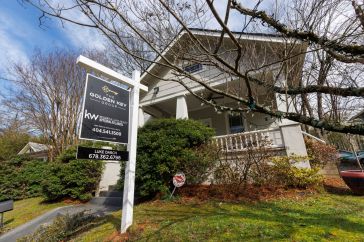
Home purchasers had to come up with 0.9% more in April versus what they would have paid in March and 11.8% higher on a year-over-year basis, the Mortgage Bankers Association said.

Couldn’t load more articles. Try again.