The first Trump 2.0-era Fed meeting’s takeaways for mortgage
Mortgage experts were expecting the first FOMC meeting under President Trump would have more significance in the long run than short-term, with some wild cards.

© 2026 Arizent. All rights reserved.

Mortgage experts were expecting the first FOMC meeting under President Trump would have more significance in the long run than short-term, with some wild cards.
Higher mortgage rates will persist through 2026, affecting sales and refinancings. Those expectations led Fannie Mae to cut its volume outlook for the next two years.
The Freddie Mac mortgage rate tracker on Thursday morning showed the conforming 30-year fixed rate mortgage creep closer to the 7% level last seen in May.

Lenders will need to lean on alternative products as limited mortgage rate relief keeps some consumers on the sidelines, but others will tire of waiting and act.

Mortgage rates should decline very gradually next year as the Federal Reserve will keep to its implied path of short-term rate reductions, Freddie Mac said.
Over the past two weeks, the 10-year Treasury yield, priced on market expectations, increased over 40 basis points and that is finally being seen in the Freddie Mac survey.

Mortgage originators should expect more of those interest rate dips that took place in September, but when they happen is the unknown factor, economists said.

But the Federal Housing Administration program was the only mortgage loan type to gain market share month-to-month as measured by rate lock percentage.

For the second time in the past three weeks, the 30-year fixed mortgage moved lower, but investors want clarity about U.S. economic policy, Freddie Mac said.
Mortgage rates have stopped the run of increases following the September Fed meeting but consumers are not likely to notice.

Lower rates during the period helped independent mortgage bankers make money on their originations but they posted losses on servicing.

The Trump victory is considered a positive for changing the status of Fannie Mae and Freddie Mac, but what would that do to interest rates?

The post-election spike in the 10-year Treasury yield could translate to higher rates for the 30-year fixed rate mortgage in the short term.

Yields on both 10-year and 2-year Treasurys moved significantly higher after the Trump election victory and that's bad news for mortgage rates going forward.

A strong economy drove mortgage rates higher in the past week but it's still an advantageous market for consumers in some ways, according to Freddie Mac.

The Fed's short-term rate cut hasn't lowered 30-year mortgage rates, which have been flat, but some buyers had reasons to act sooner rather than later.

Quantitative tightening has helped to keep mortgage rates elevated, but new concerns over how it impacts market liquidity could lead the Fed to end the program.
The conforming 30-year fixed rate mortgage rose to 6.12% on Oct. 3.

Mortgage rates being at a two-year low has not moved potential buyers off the sidelines, Freddie Mac says, but Redfin says demand for home tours is up.
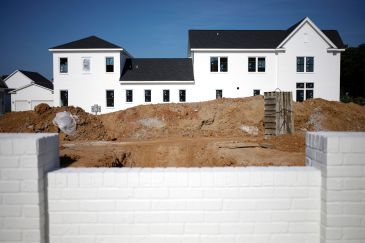
Short-term rate cuts often don't immediately translate to lower financing costs for 30-year home loans, and there are some unique circumstances this time.

Couldn’t load more articles. Try again.