Treasuries fall as U.S. GDP posts fastest growth in two years
Later Tuesday, separate data showed US consumer confidence declined for a fifth consecutive month, reflecting ongoing concerns about inflation, tariffs and politics.

© 2026 Arizent. All rights reserved.

Later Tuesday, separate data showed US consumer confidence declined for a fifth consecutive month, reflecting ongoing concerns about inflation, tariffs and politics.
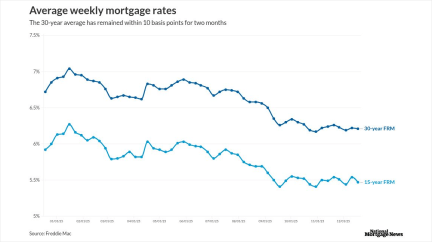
While the 30-year average has hovered near the same level for weeks, the past year brought with it promising trends that may ease affordability in 2026.
The Bureau of Labor Statistics Thursday indicated that the Core Consumer Price Index indicated that inflation rose by only 2.7% in November versus a year ago, a pace that is the slowest rate of price increases since 2021.

Federal Reserve Gov. Stephen Miran said higher goods prices could be the trade-off for bolstering national security and addressing geo-economic risks.

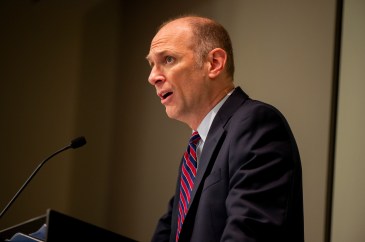
Kansas City Federal Reserve President Jeffrey Schmid and Chicago Fed President Austan Goolsbee said in statements Friday that their dissents from this week's interest rate decision were spurred by inflation concerns and a lack of sufficient economic data.
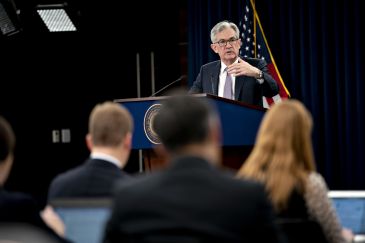
Fed Chair Jerome Powell, speaking at a press conference after the December FOMC meeting, said the central bank is holding interest rates steady until it gets more clarity on the economy.
Federal Reserve watchers expect a board of governors vote in February to reappoint the 12 regional Fed bank presidents — which is typically treated as a formality — to be the next flashpoint in the White House's effort to bring the central bank to heel.
Federal Reserve Gov. Stephen Miran reiterated his view that monetary policy has become more restrictive than economists think, but expressed increased urgency that the central bank take strong corrective action.

The economy added an unexpectedly robust 119,000 jobs in September, though unemployment edged up to 4.4%. The report, delayed by the federal government shutdown, continues a trend of sluggish job growth in recent months.
Fed Gov. Stephan Miran has spent his short tenure at the central bank arguing that disinflation in housing and immigration reforms will tamp down inflation in the near term. But other economists say the timing, degree and context of those effects is very much in question.

Federal Reserve Bank of Atlanta President Raphael Bostic won't seek reappointment following the end of his current term on Feb. 28, 2026.

Bessent spoke a week after Democrats won several key elections by zeroing in concerns over the cost of living, including housing, groceries, utilities and health care. Trump himself has rebuffed such concerns.

Federal Reserve Governor Stephen Miran said emerging stresses in housing and private credit markets warrant a reduction to short-term interest rates. While preferring a 50 basis point cut in December, Miran said he would settle for a 25 basis point reduction.

Federal Reserve Vice Chair Philip Jefferson said that as interest rates have moved toward a more neutral level, "it makes sense" now to proceed with caution.
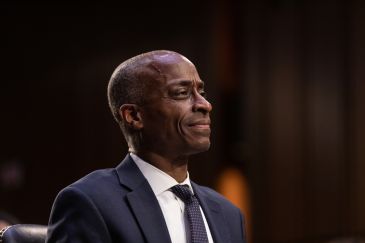
Michael Barr said he believes artificial intelligence will have a positive long-term impact on the economy, though it may cause job losses in the short term.
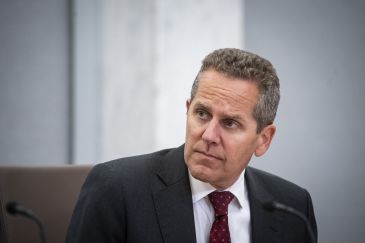
The Federal Open Market Committee is expected to announce guidance on the end of its quantitative tightening program later Wednesday. As that process draws to a close, experts are questioning when and how the central bank should use its balance sheet to smooth economic stress in the future.
Yields on 10-year benchmark US government bonds rose as much as four basis points to 4.04%, the highest in more than a week, after negotiators from the world's two biggest economies said they'd struck a series of agreements on issues.

The Bureau of Labor Statistics released its latest Consumer Price Index reading Friday morning, showing inflation rose by 0.3% in September, slightly below August's pace. The report also found core inflation steady at 3.0%, even as shelter costs eased and gasoline prices spiked.

After an apparent truce, the US and China are back to making tit-for-tat trade swipes. Market participants are fretting more about the potential impact on growth than how the protectionist measures will affect inflation.

Federal Reserve Gov. Michael Barr said in a speech Thursday that he fears the gradual pace of price increases from tariffs being passed on to consumers may prolong the one-time inflationary effect of the tariffs to the point where it affects consumers' inflation expectations.
Couldn’t load more articles. Try again.