Credit card issuer Mission Lane applies for bank charter
The credit startup is seeking a limited-purpose charter from federal regulators through the Competitive Equality in Banking Act's credit card bank carveout.

© 2026 Arizent. All rights reserved.

The credit startup is seeking a limited-purpose charter from federal regulators through the Competitive Equality in Banking Act's credit card bank carveout.
The Conference of State Bank Supervisors, banking law scholars and consumer advocacy organizations filed amicus briefs siding with the New York State Department of Financial Services in its court battle with the federal regulator.
In signing off on deposit insurance for the payments giant and student loan servicer, the FDIC sanctioned the first new industrial loan companies in over a decade.

With fintech firms appearing stuck in neutral in their efforts to seek bank charters from federal regulatory agencies, observers say state licensing options could be in vogue again in 2020.
In October, U.S. District Judge Victor Marrero ruled against the OCC in a case brought by the New York State Department of Financial Services.
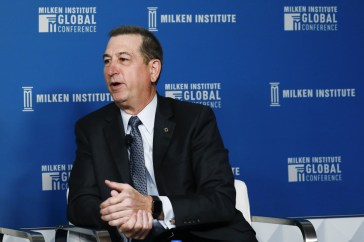
The comptroller, now a year and a half on the job, discusses his attempts to revamp the supervision process for national banks and make the agency run more efficiently.
The Office of the Comptroller of the Currency had sought to dismiss the case, but a court ruling suggested that the state regulator’s claim may have merit.
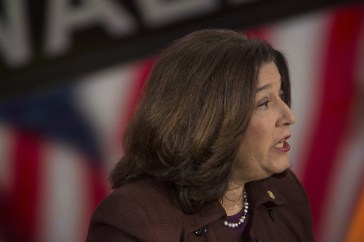
Some in the industry worry the Fed may balk at allowing OCC charter recipients into the payments system, but Otting downplayed those concerns.
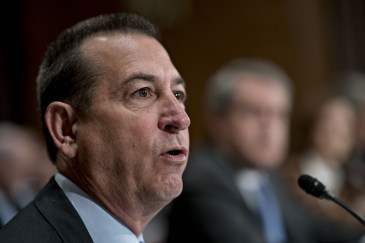
The agency refuted claims by the Conference of State Bank Supervisors that the OCC was overstepping its authority.
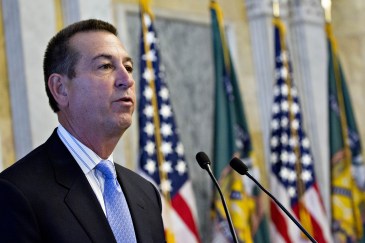
The Office of the Comptroller of the Currency has gotten the ball rolling for financial technology firms trying to operate a national platform, but the FDIC and Federal Reserve should act to remove other policy roadblocks.
The state's banking regulator and the Conference of State Bank Supervisors are reviving litigation after the Office of the Comptroller of the Currency said it would accept charter applications.
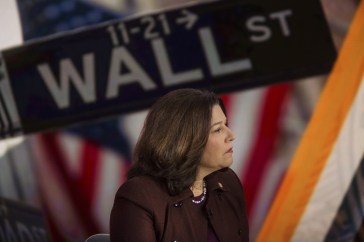
Several states pledged to compensate for a slowdown in enforcement at the Consumer Financial Protection Bureau under Mick Mulvaney, but their efforts have been complicated by tight budgets and doubts over whether such initiatives are necessary.
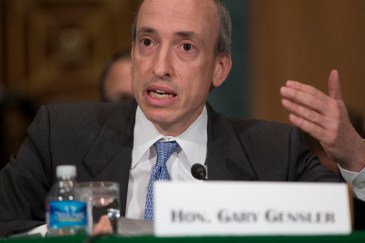
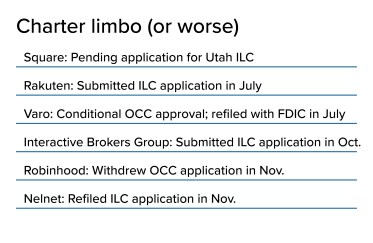
The industry group wants the FDIC to reject an ILC request from student lender Nelnet and impose a two-year ban on future applications.
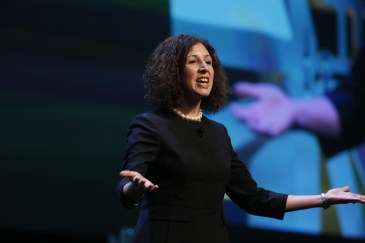
With the question of a federal charter still looming, Treasury's last report on changes to the financial regulatory system will focus on nonbanks and new tech startups.
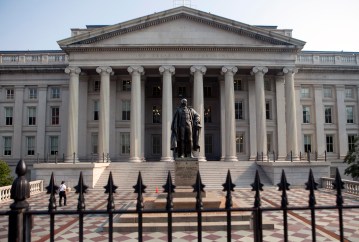
The remarks by the comptroller of the currency came as his agency released a new report on emerging risks in the banking industry.
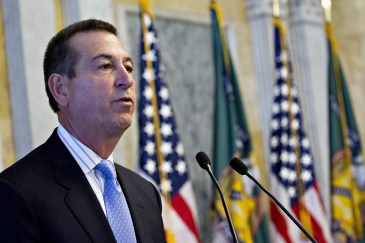
Fintech firms and industry watchers hope the pilot program will help fix a balkanized chartering system, but getting enough states on board to expand the plan's reach could be a challenge.

While some policymakers are open to accommodating fintech companies with looser oversight compared with banks, the New York State superintendent is unapologetic about her tough approach.