Fed vows to deliver price stability in monetary policy report
The report described growth as solid and productivity as strong, while finding little sign of risk in the banking system.

© 2026 Arizent. All rights reserved.

The report described growth as solid and productivity as strong, while finding little sign of risk in the banking system.
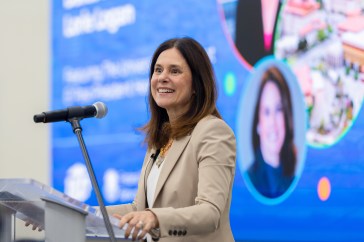
Federal Reserve Bank of Dallas President Lorie Logan said at an event Thursday that conducting monetary policy actions through a third party would improve efficiency and make markets stronger.
The Bureau of Economic Analysis' personal consumption expenditures inflation report for May showed that inflation had risen 4.1%, meeting elevated expectations and casting further doubt on the prospects of near-term interest rate cuts from the Federal Reserve.
The Federal Reserve's new chair wants to change the way the central bank communicates with markets and the public. What those changes ultimately amount to could represent a major shift in an agency that has made transparency a guiding light for decades.
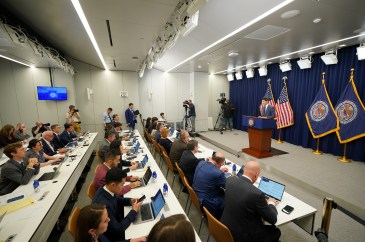
Newly minted Federal Reserve Chair Kevin Warsh will host his inaugural press conference on Wednesday. Bankers will be paying close attention to what he says — and how he says it.
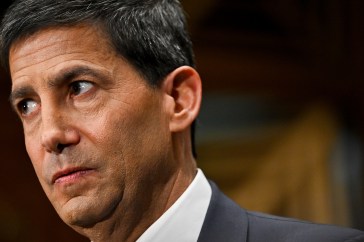
A retrospective paper on the former Federal Reserve chair's tenure offers takeaways that speak directly to his successor's policy agenda.
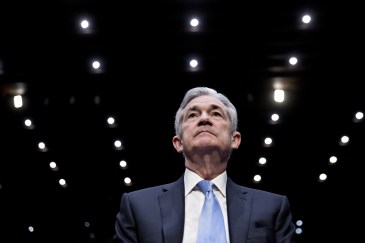
Federal Reserve Vice Chair for Supervision Michelle Bowman said Friday that she believes price growth is still heading toward the central bank's 2% target when factoring out one-time shocks such as tariffs and elevated oil prices.
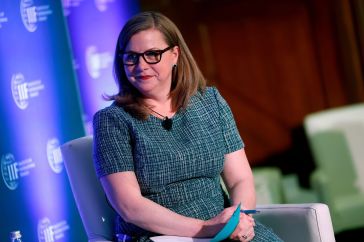
The Federal Reserve Board governor is the latest Fed official to embrace the prospect of tighter monetary policy in response to rapidly rising prices that have taken hold in recent years.
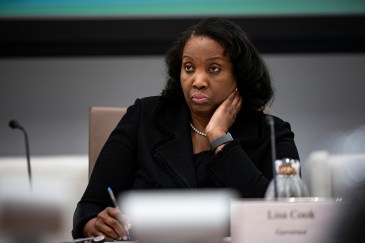
Employers hired an additional 115,000 workers in April, while unemployment remained unchanged at 4.3%. Despite the positive headline figure, a spike in newly unemployed workers and a rising number of underemployed workers suggests instability under the surface.
The Federal Open Market Committee's April meeting — likely Federal Reserve Chair Jerome Powell's last — is unanimously expected to keep interest rates steady, but questions about energy, inflation and the upcoming transition in leadership still loom.
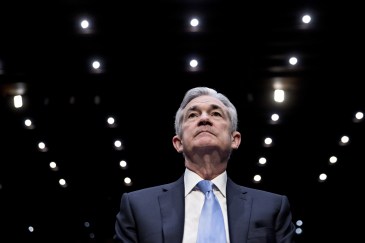
Wells Fargo CEO Charlie Scharf said bankers and economists are broadly against lowering interest rates now, given uncertainty from the Iran war.
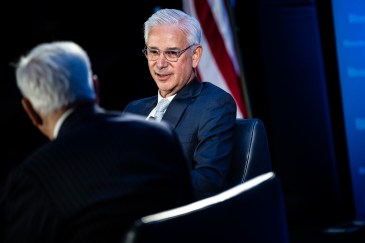
Federal Reserve Gov. Stephen Miran Thursday said that the Iran war and tariffs will not have long-term impacts on inflation, but did say he is reconsidering his rate cut outlook for the year.
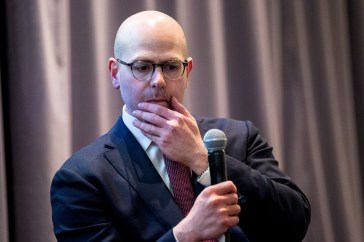
A 21.2% spike in the price of gasoline was the biggest contributor to a 0.9% increase in the Consumer Price Index in March, according to a Friday report from the Bureau of Labor Statistics. The agency said other price increases were largely contained.
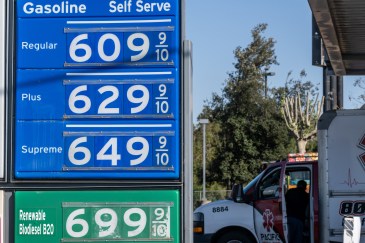
Federal Reserve Chair Jerome Powell said the central bank is cautiously monitoring consumer sentiment as tensions from the Iran war push energy prices higher, complicating efforts to bring inflation down to the Fed's target.
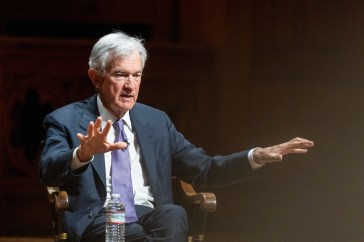
Two former members of the Federal Open Market Committee said in interviews that they expect the Federal Reserve to keep rates steady amid uncertainty over the ongoing war with Iran and the resulting upward pressure on inflation.
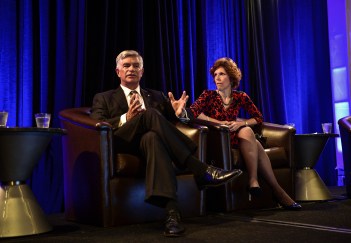
Federal Reserve Gov. Stephen Miran said it is too early to judge how U.S. involvement in the war with Iran will affect inflation and monetary policy.
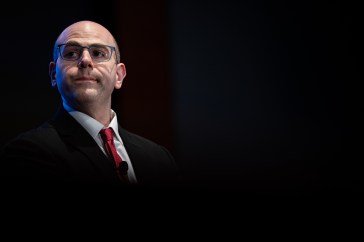
Federal Reserve Chair Jerome Powell, in a post-FOMC meeting Wednesday, said he intends to stay at his post until a successor has been confirmed, adding that he will remain on the Fed board until a Justice Department investigation into him is concluded.
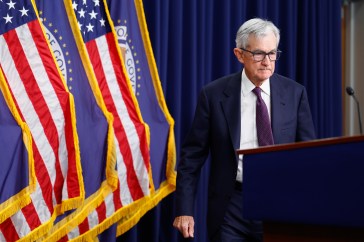
The Federal Open Market Committee is widely expected to keep interest rates steady when it concludes its regular meeting tomorrow, but rising uncertainty about inflation in the wake of the Iran war is clouding the monetary policy outlook.
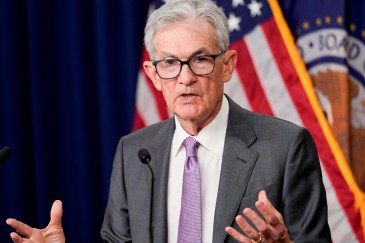
Federal Reserve Gov. Lisa Cook said AI could boost productivity, but warned the transition may raise unemployment and force difficult tradeoffs between inflation and jobs.
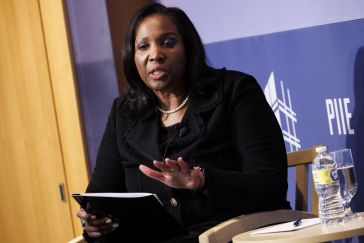
In a speech Tuesday, Federal Reserve Gov. Michael Barr said it was possible that artificial intelligence will boost productivity in an undisruptive way. But he said policymakers should also be wary of a financial crash if those gains are not realized or a rapid adoption that could lead to labor displacement.
Couldn’t load more articles. Try again.