
New-home mortgage applications slow after two-month surge
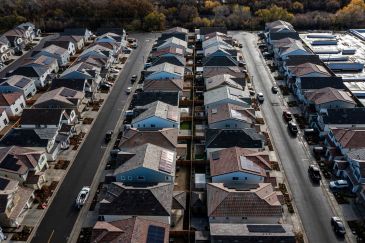
New-home loan activity rose 1% in August year over year, but applications fell 6% from July.

New-home loan activity rose 1% in August year over year, but applications fell 6% from July.
The yield on US 10-year debt edged two basis point higher to 4.04% after falling to a five-month low Thursday, but still remained on course for a fourth week of declines.

Properties with default notices, scheduled auctions and REOs are up by double digits compared to last summer as buyers are mired in a high-cost environment.

Falling interest rates led to a rush in refinancing, but slowing purchase activity brought a decline in overall lock volumes, according to Optimal Blue.

In SOFR options, which closely track the Fed's policy path, a number of large positions have emerged that look to benefit from an outsized cut of 50 basis points at next week's meeting.

While August's views on buying conditions and rates increased over July, the other components in Fannie Mae's sentiment index all declined, driving it lower.

Black homeownership fell to 43.9% this summer, its lowest since 2021, as rising unemployment and federal layoffs widened housing gaps across demographics.

The attention will now turn to reports on producer prices and consumer prices, due Wednesday and Thursday, for signals of how quickly the Federal Reserve will lower borrowing costs.

The 30-year conforming fixed rate mortgage ended this week at its lowest since last Oct. 17, helped by bond traders pricing in a reduction in short-term rates.

As Washington weighs a national housing emergency, U.S. homeownership has slipped year-over-year, according to Redfin.

A pickup in refinances was offset by the first pullback in purchases in four weeks in the run-up to Labor Day, according to the Mortgage Bankers Association.

The 30-year fixed rate mortgage fell 2 basis points this week, Freddie Mac said, but other sources like Zillow and Lender Price reported larger drops.

The increase in purchase volume was not enough to offset the drop in refinance application submissions as conventional rates increased week-over-week.

The bank "temporarily" paused home equity line of credit lending in April 2020, over concerns regarding the economic impact of the Covid-19 pandemic.

While still higher than the norm, the reduction in this spread is good news when it comes to mortgage rates for potential homebuyers as well as current owners.

While the overall delinquency rate improved this summer, FHA-backed mortgage borrowers continued to exhibit concerning levels of payment stress in July.

Lagging tech adoption, issues with credit, and originators' rush to close refinances earlier this year contributed to deterioration, a study found.

Traders were watching a slew of data on a bigger-than-expected increased in jobless claims and expanded manufacturing Thursday.

Fannie Mae economists toned down their housing and economic outlook in August, predicting fewer home sales and less mortgage origination volume versus July.
The tests modeled how Fannie Mae and Freddie Mac would fare after absorbing losses like a total $36.1 billion provision in credit losses in a severe downturn.

Couldn’t load more articles. Try again.