
CFPB declares most agency rules still valid after high court decision
The agency sought to provide certainty that most actions from the past eight years remain in effect despite the ruling that the bureau's leadership structure is unconstitutional.
The agency sought to provide certainty that most actions from the past eight years remain in effect despite the ruling that the bureau's leadership structure is unconstitutional.
The court struck down a 2015 update to the Telephone Consumer Protection Act, which permitted robocalls to cellphones for government-related debt collection.
The Senate had passed the bill Tuesday, shortly before the Small Business Administration was to stop accepting new loan applications.
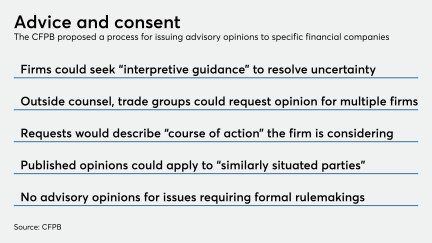
The agency has proposed letting firms seek specific guidance, which can be applied to other institutions. But consumer groups worry the plan circumvents formal rulemaking.
In a letter to Director Mark Calabria, 17 organizations requested an additional 60 days to weigh in on the proposal meant to strengthen Fannie Mae and Freddie Mac's balance sheets post-conservatorship.
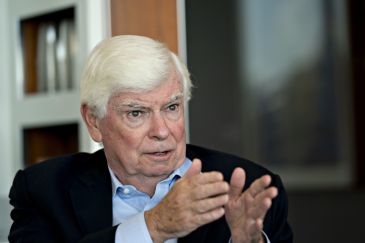
Chris Dodd and Barney Frank said the legislation — nearing its 10th anniversary — put banks in position to be a stabilizing force during the coronavirus crisis.
The company said it had cut 20 positions and found a way to shed 35,000 square feet of office space by the end of 2020.
The Supreme Court threw out a key statutory provision concerning the agency’s leadership structure, but the presidential election and possible legislative reforms could bring about more changes to the embattled bureau.
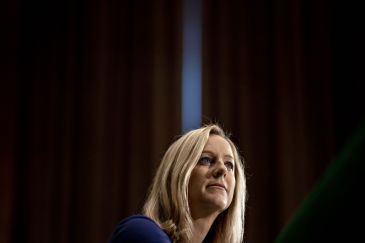
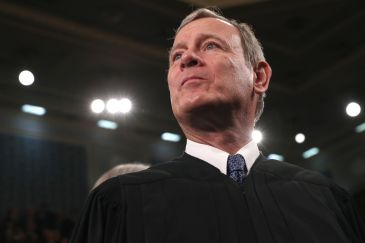
In a split 5-4 decision, the justices gave presidents new power to remove the agency's head at will. The ruling could have far-reaching implications for other regulators with single directors.
A new CFPB rule will expedite the forbearance and loss-mitigation process for consumers suffering financial hardship from the pandemic.
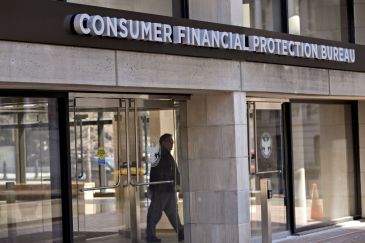
The agencies said late Friday that they will provide information on small businesses that received $150,000 or more from the Paycheck Protection Program.
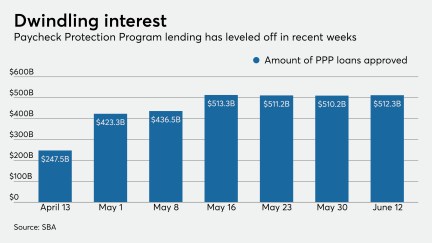
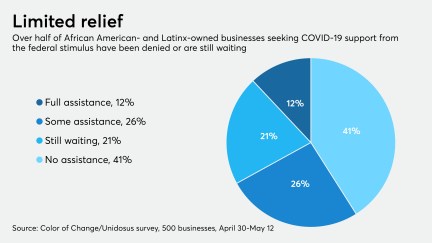
Activity in the Paycheck Protection Program has waned, but some argue that many small businesses, especially those owned by minorities, will miss out if the June 30 application deadline isn't extended.
A lawsuit filed Tuesday argues that the bureau's establishment of the panel looking into regulatory changes violated the Federal Advisory Committee Act.
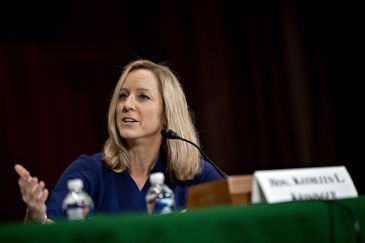
As they prepare to exit government conservatorship, Fannie Mae and Freddie Mac have enlisted the investment banks to help them boost capital and evaluate market opportunities.

Evidence suggests some minority-owned businesses can’t access loans, and the Trump administration is under pressure to report borrower demographics. The issue is gaining attention against the backdrop of protests over the George Floyd killing.
A budget item establishing a new agency to protect consumers from predatory lenders has been put on hold as state officials deal with the coronavirus response and other priorities. But it could be revived in legislative talks later this summer.

Unlike in previous years, the results from two different evaluations will be released simultaneously and will include an assessment of bank capital under coronavirus-related scenarios.
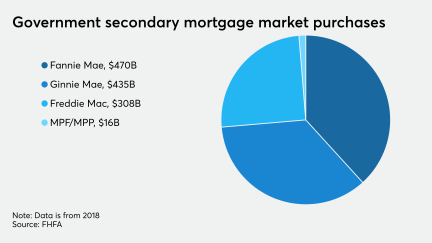
The FHFA’s proposal is intended to strengthen Fannie Mae and Freddie Mac, but many experts warn that it could boost guarantee fees for lenders that they say may be passed on to borrowers.

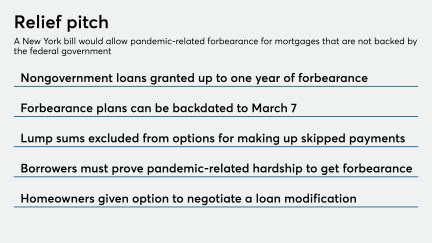
One criticism of the CARES Act is that it provides relief only to borrowers with government-backed loans. Bills in New York and California would cover the remaining 30% of homeowners.
The new FHFA rule sets a percentage-based threshold to measure compliance, rather than Home Mortgage Disclosure Act data.
Couldn’t load more articles. Try again.