Opinion Twelve years later, another ill-conceived bailout
The 2008 package proved some banks were too big to fail. But the rushed $2.2 billion stimulus shows now any company can be bailed out.
Jeff Hinkle
Polyient Labs
© 2026 Arizent. All rights reserved.

The 2008 package proved some banks were too big to fail. But the rushed $2.2 billion stimulus shows now any company can be bailed out.
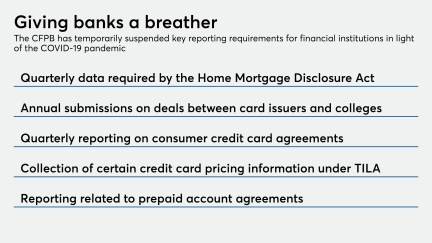
The agency has relaxed some reporting requirements and joined other regulators in encouraging banks to help borrowers, but pressure is building on the bureau to do more to aid consumers suffering financial hardship.
The $2 trillion deal passed by the Senate late Wednesday would aim to put banks and consumers alike on stronger financial footing as they weather the coronavirus pandemic.
One option could be issuing an announcement that makes clear regulators won’t likely object to risky funding arrangements that they’ve previously frowned upon, said the person who requested anonymity because the discussions might not lead to any actions.

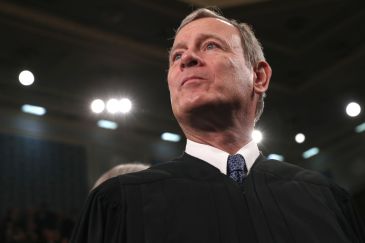
John Roberts could play a familiar role as the swing vote in determining whether the Supreme Court curbs the consumer bureau’s power.
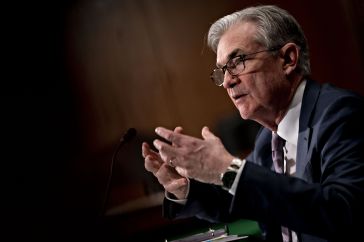
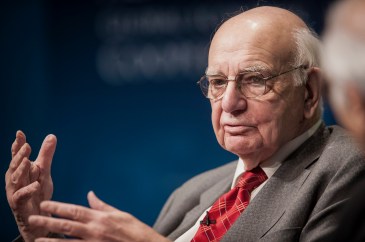
Federal Reserve Chairman Jerome Powell told senators that the central bank is willing to explore a credit-sensitive interest benchmark in addition to the secured overnight financing rate, which some banks say could cause problems during economic stress.
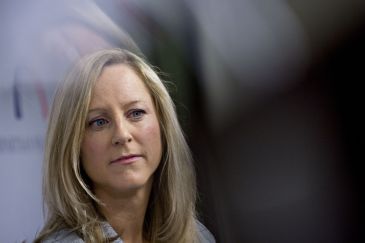
In a letter to CFPB Director Kathy Kraninger, the Democratic senators argue that task force members cannot be trusted to protect consumers because they have represented payday lenders or Wall Street banks, or worked at law firms that did so.

Now that the Consumer Financial Protection Bureau says it will scrap an unpopular standard for so-called qualified mortgages, the big question is what will take its place.
In another rollback of the bank trading ban, the federal agencies unveiled a plan to allow financial institutions to invest in multiple companies through certain fund structures.

In the past, the agency cited the legal term in enforcement actions without stating what it meant, but Director Kathy Kraninger has sought to give the industry clearer guidance.
Regulators already finalized a rollback of the proprietary trading ban section of the rule but signaled then that their overhaul was not finished.
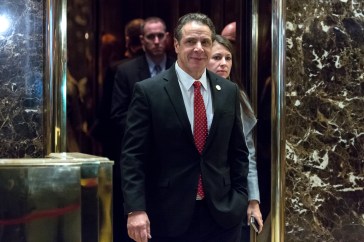
In another sign of state officials trying to outdo the Consumer Financial Protection Bureau, governors in California and New York want greater authority to license and oversee the debt collection industry.
Todd Zywicki, a law professor who has sharply criticized the CFPB as an unaccountable bureaucracy, has been named chair of an agency task force identifying potential conflicts and inconsistencies in consumer finance law.
The Department of Housing and Urban Development has proposed an overhaul of an Obama-era rule meant to guide local jurisdictions in how they comply with the Fair Housing Act.
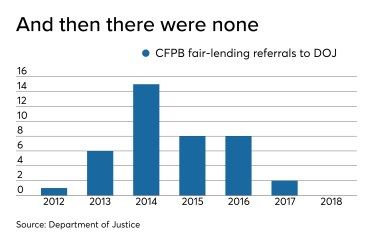
Despite assurances by Director Kathy Kraninger that the agency is cracking down on discrimination, it hasn't sent a Department of Justice referral on a fair-lending violation in two years.
The two Democratic senators said the bureau's policy could allow companies to circumvent consumer finance laws.
The agency announced changes meant to reduce compliance costs and allow some institutions to provide estimates rather than disclose exact prices for international money transfers.
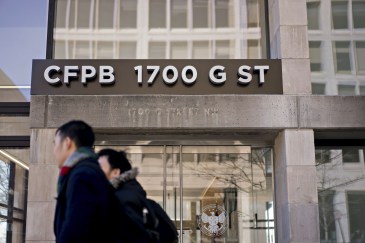
The agency’s director previewed a policy for companies under enforcement action to have their orders terminated if they comply ahead of schedule.
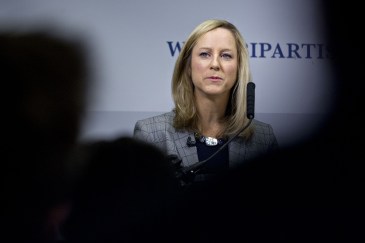
The agency’s director previewed a policy for companies under enforcement action to have their orders terminated if they comply ahead of schedule.
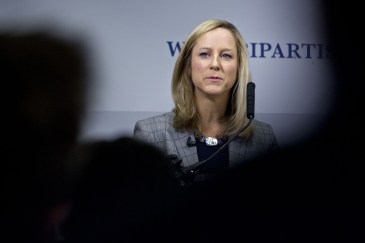
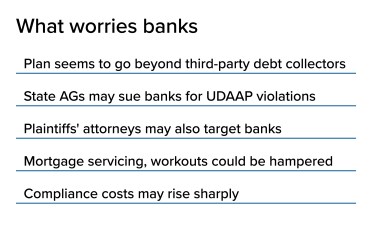
Lenders contend the proposal goes beyond policing third-party debt collectors and could expose banks to enforcement actions and lawsuits.
Couldn’t load more articles. Try again.