DOJ probing for collusion in CLOs during Libor transition
Antitrust prosecutors in New York seek to determine whether investors with an equity stake in the $1.3 trillion CLO market illegally coordinated as the underlying buyout debt was repriced.

© 2026 Arizent. All rights reserved.

Antitrust prosecutors in New York seek to determine whether investors with an equity stake in the $1.3 trillion CLO market illegally coordinated as the underlying buyout debt was repriced.
The key to the trade is that the instruments, worth about $20 billion in all, are pegged to the now-defunct London interbank offered rate, or Libor.

CLO spreads should tighten toward year-end, easing arbitrage challenges. Meanwhile investors will be challenged to calibrate the recovery rate, says Pratik Gupta.

The Montana Democrat also urged his Senate colleagues to pass the SAFE Banking Act, while Sen. Jerry Moran of Kansas claimed that the Republican boycott of Sarah Bloom Raskin had nothing to do with her views on climate change.

The problem, according to Wilson, is that SOFR will do a poor job hedging risks in turbulent times.

Infrastructure will command most of lawmakers’ attention, but expect banks to keep pushing for bills that would ease the transition away from a key benchmark rate and help them serve legal cannabis businesses.

U.S. regulators are wagering a major shakeup of the multitrillion-dollar interest-rate swaps market is just what’s needed to wean Wall Street off the London interbank offered rate for good.

Federal Reserve Vice Chair Randal Quarles has made it clear that banks failing to make the transition away from the benchmark rate could face supervisory consequences.
The modifiable templates are a follow-up to a similar notification the organization created in 2019 for lender use.
Deals, trends and research in structured finance and asset-backed securities for the week of April 9-16

Deals, trends and research in structured finance and asset-backed securities for the week of March 26-April 1

Starting Thursday, firms should stop issuing new loans, bonds and securitizations tied to the discredited benchmark, according to the Bank of England.

A white paper released Monday by the Alternative Reference Rates Committee outlined how issuers could (and perhaps should) model new floating-rate transactions using a compounded version of the interbank overnight rate instead of Libor.
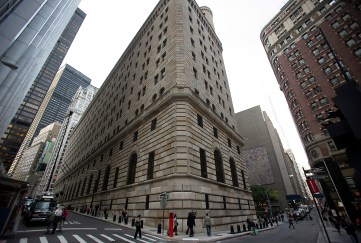
The heads of the Federal Reserve and Treasury are urging passage of legislation that would replace Libor with the Secured Overnight Financing Rate in certain contracts. That would spare banks litigation over trillions of dollars of contracts when Libor expires in 2023.

Concerned that some troublesome financial contracts won’t be able to switch to replacement benchmarks, the Financial Conduct Authority plans to publish a “synthetic” London interbank offered rate.

The act, yet to be signed by Gov. Cuomo, aims to resolve the difficult problem of how to fairly compensate floating-rate investors in instruments for which the London interbank offered rate is no longer published.

Almost $2 trillion of debt pegged to dollar Libor, much of which can’t easily be shifted to an alternative benchmark, won’t mature until after the discredited rate expires in mid-2023, according to the Federal Reserve-backed group guiding the transition.
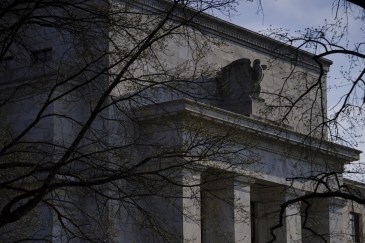
Legacy contracts using the London interbank offered rate — which is set to be phased out at the end of this year — were granted a reprieve to mid-2023. However, there is no wiggle room on when the rate will expire for new deals, said Federal Reserve Vice Chairman Randal Quarles.
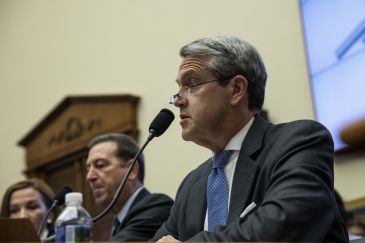
A PIMCO-sponsored HELOC securitzation, as well as a mortgage-insurance linked transaction, are the latest examples of issuers getting a head start on switching to an expected replacement benchmark for Libor.

“Supervised firms that are not making adequate progress in transitioning away from Libor could create safety and soundness risks for themselves and for the financial system,” a Fed division director said.
Couldn’t load more articles. Try again.