Consumers’ financial vulnerability hits record high: Report
The share of American households considered "financially vulnerable" rose to 17%, the highest level since at least 2018, according to the nonprofit Financial Health Network.

© 2026 Arizent. All rights reserved.

The share of American households considered "financially vulnerable" rose to 17%, the highest level since at least 2018, according to the nonprofit Financial Health Network.
Given Barnard's stature, and since the new leadership structure is not yet in place, Titan Square Mile said it would remove the funds from its Academy of Funds.

Shareholders of XAI Floating Rate & Alternative Income should not support Octagon's removal as the fund's sub-adviser, Egan-Jones said, citing limited benefits to shareholders.

First-loss risk prompts Ellington's migration to the mezzanine level, although some secondary-market equity gets thumbs up.

Signs of "overheating" in the U.S. economy mean interest-rate hikes are more likely there than in Europe, dimming the appeal of Treasuries.

The construction and building sector raises the most concern, but issues should remain manageable.

Despite market volatility from the conflict–added to tariff impacts–credit portfolio managers see liquidity as steady, with no significant signs of stress.

Investing in vastly more loans that traditional collateralized loan obligations, Mountain Point anticipates approaching the market quarterly.

After a long price correction in the art market, Bank of America is expanding its advisory services for collectors — and it's not alone.

The Buffalo-based bank didn't specify the size of potential losses from a suit that grew out of the collapse of subprime auto lender Tricolor Holdings. M&T said its trust subsidiary will "vigorously defend itself" against claims by investors who allege that it should have protected them from alleged fraud.

But the 12-month view is different, as a significant portion of those polled see more North American corporate defaults. Commercial real estate seems to have recovered some confidence.

The Federal Open Market Committee's decision to reduce interest rates for the first time in nine months lifted bank stocks Wednesday. The 25-basis-point reduction could lead to net interest income headwinds now, but loan growth later, analysts said.

Built around flexible capital that can grow alongside leading originators, the strategy will seek asset-based opportunities in North America first, then add European credit markets.

Late-payment rates among U.S. borrowers rose again in the second quarter, according to a report from the New York Fed. The trend reflects a sharp increase in student loan delinquencies, which have been climbing as pandemic-era policies have expired.

The student loan giant fell far short of Wall Street's expectations, but its leaders say President Trump's "Big Beautiful Bill" is likely to bring it billions of dollars in new business.

The CEOs of Bank of New York Mellon and Northern Trust have had at least one discussion about a potential merger, according to a Wall Street Journal article. On Monday, a spokesperson for Northern Trust said the bank "is fully committed to remaining independent."

At the Denver firm, Brooks will expand its capabilities in real estate lending and structured finance.

All the notes have credit enhancement totaling 28.3% of the pool balance, rating agencies said.

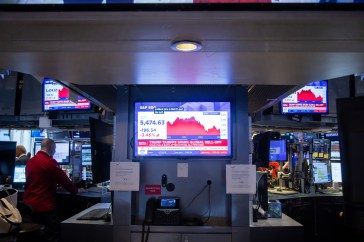
Fears of a recession intensified after President Trump unveiled his plan to impose a minimum 10% tariff on all U.S. imports, and the KBW Nasdaq Bank Index tumbled by nearly 10%.
The looming initial public offering from Swedish payments firm Klarna comes in the foreground of tariff uncertainties and inflationary pressures.

Couldn’t load more articles. Try again.