Australian funds cut U.S. Treasury holdings on Trump policy risks
Fiscal uncertainty in the US and the fact that Treasury yields aren't high enough to reflect the risk of holding them is making the securities less attractive.

© 2026 Arizent. All rights reserved.

Fiscal uncertainty in the US and the fact that Treasury yields aren't high enough to reflect the risk of holding them is making the securities less attractive.
Investors have grown more wary of lending to the US government for such a long time, and have demanded higher yields as a result, increasing a cushion known as the term premium.

The government measure of inflation for May ticked up modestly, adding to the signals that the Federal Reserve is unlikely to move on interest rates when it meets next month.

The U.S. economy added 139,000 jobs, a healthy clip that counters the president's calls for a rate cut to bolster the labor market.

The Treasury market experienced unexpected volatility in April after President Trump announced sweeping tariffs, but recovered after the moves were delayed. Some see that as proof of resilience in the market, but others say it highlights vulnerabilities.
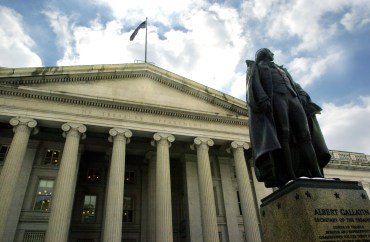
Federal Reserve Gov. Christopher Waller said changes to the Federal Open Market Committee's quarterly economic projections could lead to clearer communication with markets and market participants.
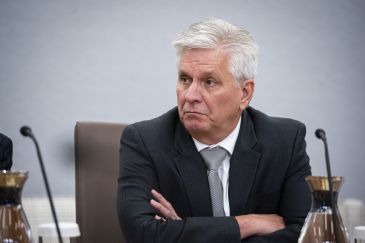
The Federal Reserve's preferred measure of inflation moved closer to the 2% target last month, but the impact of tariffs remains to be seen.

The strategy, which focuses on non-bank lending to sectors such as residential mortgages, credit cards and auto loans, has been a key plank of the bond giant's push into private lending.
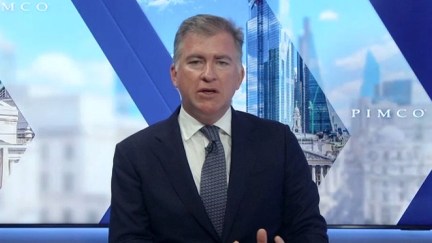
Tariff uncertainty could boost lender leverage to incorporate protection against LME proliferation

Early signs are emerging that Trump-induced dollar volatility, inflated Treasury yields and fears about the country's debt burden are fueling a gradual reweighting toward the Old Continent.

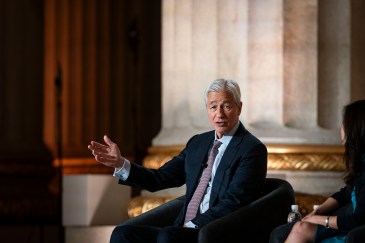
The nation's largest bank is optimistic about its overall performance this year, but CEO Jamie Dimon still thinks there's a bigger chance of stagflation than markets are anticipating.
The president said Treasury Secretary Scott Bessent and Commerce Secretary Howard Lutnick "will be sending letters out essentially telling people" what "they'll be paying to do business in the United States."
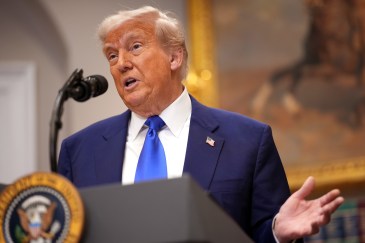
Industry diversification and strong borrower financials bode well for CLO prospects in uncertain times.

Federal Reserve Gov. Adriana Kugler said in a speech in Dublin that trade barriers could soon affect prices and slow down growth while increasing uncertainty in 2025.
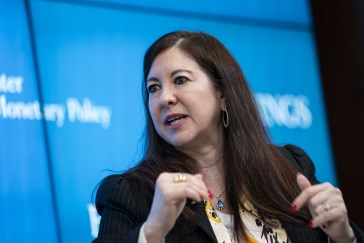
Powell said as policymakers look for more clarity on tariff policies, the risks of higher inflation and unemployment have increased due to President Donald Trump's sweeping levies.

Federal Reserve Gov. Michael Barr said global supply chain disruptions and inflation caused by tariffs could weigh heaviest on small businesses, especially those with little access to credit.
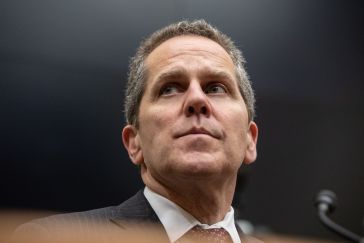
Treasury Secretary Scott Bessent said he expects negotiations with trading partners over tariffs to conclude by the end of the year but acknowledged that talks with China had not yet begun.
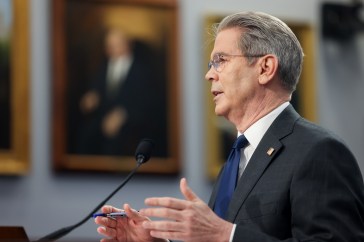
The pace of hiring drove traders to dial back rate-cut bets that had steadily mounted as Trump's trade war unleashed havoc in financial markets and sowed fears of a US recession.

The Federal Reserve's preferred inflation reading fell in March, but the positive reading came before new trade policies hit the economy.
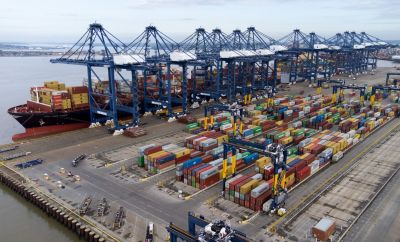
The potential for a global trade war has largely undone the optimism that the industry exhibited at the beginning of the year. Here's a look at three ways that tariffs could negatively impact banks.

Couldn’t load more articles. Try again.