Private flood insurance growing as federal coverage recedes
Numbers on use and performance point to potential for nonpublic insurers to take on a greater role but also suggest there are limits to it, Fitch Ratings found.

© 2026 Arizent. All rights reserved.

Numbers on use and performance point to potential for nonpublic insurers to take on a greater role but also suggest there are limits to it, Fitch Ratings found.
Financial profiles of borrowers in the coastal areas where insurance coverage is required vary significantly from at-risk homeowners inland, CFPB's analysis found.

Mortgage professionals are focusing on housing policies and the Federal Reserve this November.

Awareness of disaster risk has increased in the public and private sectors, and it appears to be prompting more interest in home improvements in particular.
The bipartisan deal struck Saturday temporarily allays concerns that would've required workarounds in parts of the lending process reliant on government agencies.

The change, effective Dec. 21, is being put into place two years after it was first proposed.

For decades lawmakers have ignored broad structural flaws in the National Flood Insurance Program, which underpins millions of home mortgages. And the problem is only getting worse.
Many federal agencies have been closed for more than three weeks, making it the longest shutdown in U.S. history. With no end in sight, here's how it's affecting banks, credit unions and mortgage lenders.
The announcement rescinded the agency's earlier guidance issued to industry partners to suspend sales operations as a result of the current lapse in funding from Congress.

Lawmakers and industry groups were caught off guard when FEMA said it wouldn't issue flood insurance policies during the government shutdown, despite an extension passed last week.
Lawmakers have had to extend the program eight times since October 2017, as Congress has been unable to pass broader reforms.

Lawmakers authorized a four-month extension less than a day before the program was set to expire.
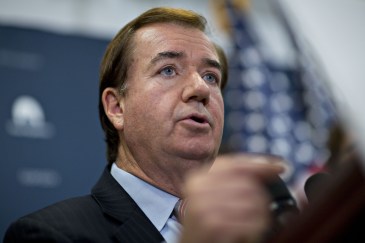
Reps. Ed Royce, R-Calif., and Earl Blumenauer, D-Ore., introduced a bipartisan package of legislation Tuesday to extend the National Flood Insurance Program through Nov. 30.
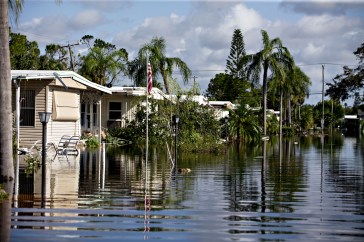
Once again, congressional inaction on reauthorizing the National Flood Insurance Program is prompting concerns about what a lapse in coverage could mean for loan closings.
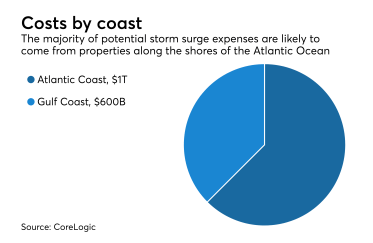
There are almost 7 million coastal homes facing more than $1.6 trillion in potential storm-surge reconstruction expenses this year, representing a 6.6% cost increase from last year's hurricane season.
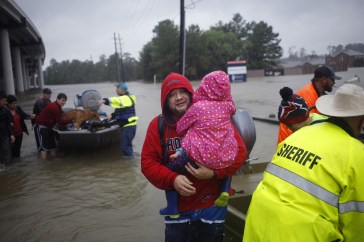
The percentage of flood damage to residential properties from Hurricane Harvey that is uninsured is turning out to be a little higher than earlier estimates.
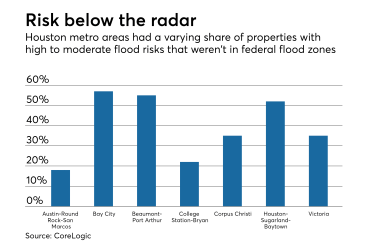
Numerous business sectors are urging lawmakers to act quickly to extend the National Flood Insurance Program before a crucial deadline next week.
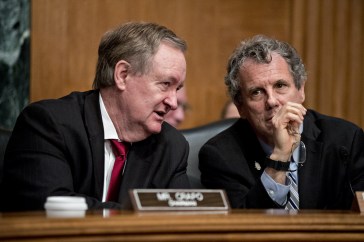
The House approved a five-year extension of the National Flood Insurance Program on Tuesday, but it remains unclear whether the Senate will seek to pursue its own bill. The program is due to expire Dec. 8.
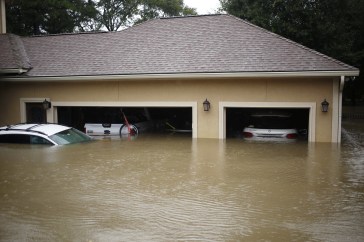
The bill includes $16 billion in debt forgiveness for the National Flood Insurance Program and could benefit financial institutions’ customers in areas impacted by recent hurricanes and wildfires.
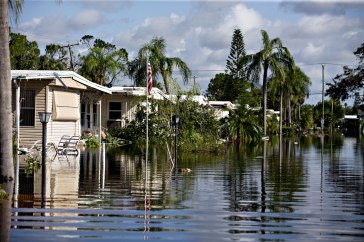
The House passed a bill Thursday making it easier to obtain private flood insurance policies, but moments later the Senate took a pass on the legislation.
Couldn’t load more articles. Try again.